 Blaine Exterior
 Why Cherry Point Homes Are Hard on Windows
Cherry Point sits close enough to the water and open farmland north of Blaine that homes here take a different kind of weathering than houses further inland in Whatcom County. Salt-laden air moves through on a regular basis, driving rain comes in sideways during fall and winter storms, and the long gray stretch from October through April keeps everything damp for weeks at a time. That combination is rough on window frames, seals, and glazing in ways that don't show up right away.
Salt air accelerates corrosion on hardware and metal components, even components that are supposedly corrosion-resistant. Driving rain finds its way into any gap in the flashing or sealant, and once it does, it doesn't dry out quickly in our climate — it sits in the wall cavity and starts doing damage you won't see until the trim or siding comes off. And moss season, which around here can stretch a good chunk of the year, keeps north- and shade-facing walls perpetually moist, which is exactly the environment that lets minor window leaks turn into rot.
None of this means Cherry Point homes need exotic solutions. It means the window and the installation both need to be matched to what the site actually experiences, not just picked off a showroom floor.
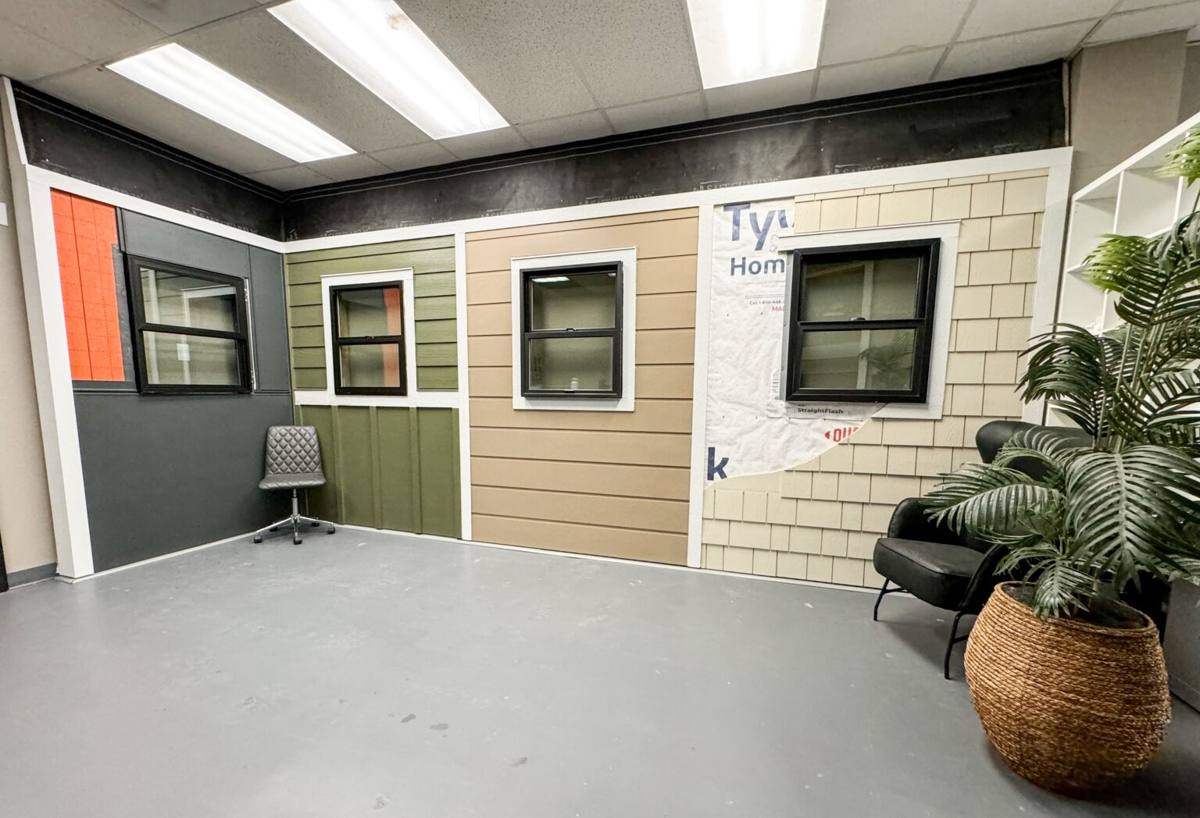
Signs Your Windows Are Due for Replacement
Homeowners often wait until a window is obviously broken before calling anyone, but in this climate the more useful signals show up earlier and are easy to miss if you're not looking for them.
- Fogging or a permanent haze between the panes of a double-pane window — the seal has failed and the gas fill is gone
- Wood trim or sills that feel soft, spongy, or discolored when pressed
- Drafts you can feel with a hand near the frame on a windy day
- Difficulty opening, closing, or locking a window that used to operate smoothly
- Visible gaps between the window frame and the siding or trim
- A noticeable jump in heating costs without any other explanation
- Condensation on the inside of the glass that wasn't an issue in past winters
Any one of these on its own might not mean full replacement is necessary. Several together, especially on a home that's been through a few Whatcom County winters, usually does.
What a Correct Window Replacement Job Actually Involves
It's Not Just the Window Unit
A window replacement that holds up in a wet, salty climate is mostly about what happens around the window, not the window itself. The unit is manufactured to a consistent standard. The flashing, sealant, and integration with the wall assembly are done by hand, on site, and that's where quality separates one installation from another.
A correct job includes removing the old unit down to the rough opening, inspecting the sheathing and framing for hidden rot or water damage before anything new goes in, and repairing any of that damage rather than sealing a new window over a compromised opening. From there, proper flashing integration — sill pan, side flashing, and head flashing tied correctly into the building's water-resistive barrier — is what actually keeps water out over the long run. The window itself is set level, plumb, and square, shimmed correctly so it isn't stressed in the frame, then insulated and sealed with materials rated for exterior use.
Why Skipping Steps Costs More Later
It's possible to install a window quickly by skipping the sheathing inspection or reusing old flashing. It will look finished. The problem shows up two or three winters later, when water that's been getting behind the trim has had time to rot framing members that are now expensive to access and repair. In a climate with as much driving rain and prolonged dampness as this one, the installation detail work isn't optional — it's the difference between a window that lasts decades and one that causes a bigger repair bill down the road.
Choosing the Right Window for Coastal Whatcom County Conditions
Frame material matters more here than it would in a drier, inland climate. Each option has real trade-offs, and the right choice depends on the specific wall, exposure, and budget.
| Frame Material | How It Handles Salt Air & Moisture | Maintenance | General Trade-offs |
|---|---|---|---|
| Vinyl | Does not corrode or rot; handles salt air well | Low — occasional cleaning | Budget-friendly; frame color and size options can be more limited on larger units |
| Fiberglass | Very stable in temperature swings and moisture; strong resistance to warping | Low | Higher upfront cost; excellent long-term performance in wet climates |
| Aluminum | Vulnerable to corrosion and pitting in salt air unless properly coated and maintained | Moderate to high near the coast | We're selective about where we recommend it in this area given the maintenance burden it creates |
| Wood (clad exterior) | Good when the exterior cladding is intact; interior wood still needs a fully sealed exterior face | Higher — any breach in the cladding exposes wood to moisture | Preferred by some for interior appearance; requires more attentive upkeep in this climate |
Glass package matters too. A double-pane, low-E unit with an argon fill is the standard baseline for this climate. On walls that take the brunt of the weather — typically west- and south-facing exposures that catch the driving rain — we'll often talk through whether a higher-performance glass package or a heavier-duty frame is worth the upgrade for that specific elevation, rather than upgrading the whole house uniformly.
Our Process for Cherry Point Window Replacements
1. On-Site Assessment
We look at each window individually, not just the house as a whole. Sun exposure, wind exposure, and existing moisture damage vary window to window, especially on a property with mixed orientations, and the recommendation should reflect that.
2. Straightforward Recommendation
We'll tell you plainly which windows need full replacement now, which are still sound, and which could reasonably wait. We're not incentivized to replace more than what's actually needed, and we'd rather earn a repeat call than oversell a job.
3. Careful Removal and Opening Inspection
Every rough opening gets checked for hidden water damage before the new window goes in. If we find rot, we address it before we move forward — not after.
4. Proper Flashing and Sealing
This is the step that determines whether the job holds up through Whatcom County winters. We integrate flashing with the existing wall assembly correctly rather than relying on caulk to do a flashing detail's job.
5. Final Check and Walkthrough
We test operation, check the seal from inside and out, and walk the finished work with you before we consider the job done.
What Drives the Cost of a Window Replacement
Every project is different, but the following factors are what typically move the price up or down. We'll walk through these specifically for your home during an estimate rather than quoting a number sight unseen.
| Factor | Why It Matters |
|---|---|
| Frame material selected | Vinyl, fiberglass, and clad-wood options carry different material costs |
| Condition of the existing rough opening | Hidden rot or framing repair adds labor and material before the new window can go in |
| Window size and configuration | Larger units, custom shapes, or multi-panel configurations take more time and material |
| Number of windows in the project | Per-unit costs typically drop somewhat as the total job size increases |
| Exterior trim and siding work required | Some replacements need trim rebuilt or siding patched to finish cleanly |
| Access and story height | Second-story or hard-to-access windows take more setup time |
What to Ask Before Hiring a Window Contractor
Because so much of the long-term performance comes down to installation quality rather than the window brand, the questions worth asking are mostly about process.
- Will you inspect the rough opening for hidden moisture damage before installing the new window?
- What's your approach to flashing integration, specifically for a home exposed to driving rain?
- Do you carry current liability insurance and are your installers experienced with this specific type of installation?
- What warranty covers the installation itself, separate from the manufacturer's product warranty?
- Can you walk me through why you're recommending a specific frame material for my home's exposure?
- Will the same crew that gives the estimate be doing the installation?
A contractor who answers these clearly and specifically, rather than with a generic pitch, is usually the one who's actually done the work in conditions like these before.
Why Local Experience in Cherry Point Matters
A crew that regularly works Blaine and the surrounding Whatcom County coastline already knows what a driving rainstorm off the water does to a poorly flashed window, and what a season of moss and shade dampness does to a north wall that wasn't sealed correctly. That's not something you can pick up from a manufacturer's installation manual — it comes from having repaired the failures caused by installations that skipped steps, and knowing what to do differently.
It also means we're not guessing at what products and details actually perform here versus what performs fine in a drier climate. The frame material recommendations, the flashing approach, and the attention to specific wall exposures in this guide reflect what this area's weather actually demands, not a one-size-fits-all installation.
Get a Free, No-Pressure Estimate
If your windows are showing any of the signs above, or you're just planning ahead for a home in Cherry Point, we're happy to take a look and give you a straightforward assessment — no pressure, no hard sell. Use the form below to request a free estimate.