 Blaine Exterior
 Why Decks in Point Roberts Wear Out Faster Than Most
Point Roberts sits out on the water, and that exposure changes how a deck ages. Salt-laden air off the surrounding bays gets into fasteners, hinges, and any exposed metal hardware faster than it would on a home a few miles inland. Combine that with driving rain that comes in sideways during winter storms, and a deck here is dealing with a level of moisture exposure that most framing and decking products were never really tested against on the label. Add in Whatcom County's long, damp moss season — often stretching from late fall well into spring — and you've got a structure that's rarely given the chance to fully dry out between weather events.
None of this means a deck in Point Roberts is doomed. It means the materials, fasteners, and construction details matter more here than they would in a drier climate, and it means small maintenance issues turn into structural ones faster if they're ignored.
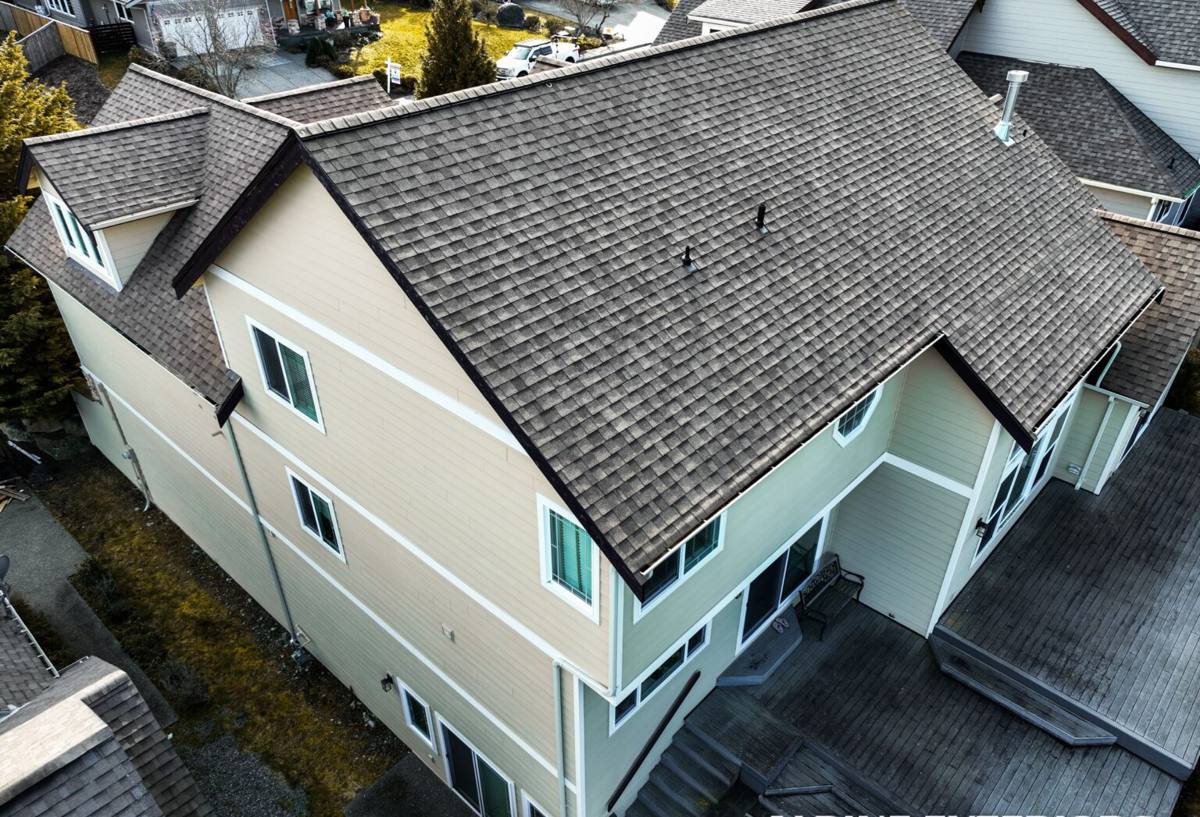
Signs Your Deck Has Reached the End of Its Life
Not every tired-looking deck needs full replacement — but there's a point where repair stops making sense. Here's how we tell the difference during an assessment.
Soft or Spongy Decking
If boards flex or feel spongy underfoot, especially near the house or in shaded corners, moisture has likely gotten into the wood fibers or the substrate beneath a composite surface. This is rarely a cosmetic issue — it usually means water has been sitting somewhere it shouldn't.
Rot at the Ledger Board
The ledger — the board that attaches the deck to your house — is the single most important structural connection on the whole deck, and it's also the part most exposed to wind-driven rain running down the siding. Rot here is a safety issue, not a cosmetic one, and it's one of the first things we check.
Corroded or Popped Fasteners
Salt air accelerates corrosion in screws, joist hangers, and bolts that aren't rated for coastal exposure. Rust streaks around fastener heads, or nails backing out of boards, are early warning signs worth acting on before they become bigger repairs.
Moss and Algae That Keep Coming Back
A little surface moss is normal in this climate and can usually be cleaned. But moss that regrows within weeks, or that's established itself in the gaps between boards, often means the deck isn't draining or drying properly — a sign of a design or grading issue underneath, not just a cleaning problem.
What a Correct Deck Replacement Actually Involves
A deck replacement done right is more than pulling up old boards and screwing down new ones. The parts you don't see are what determine whether the new deck lasts fifteen years or three.
Safe, Complete Demolition
We remove the old decking, railing, and any compromised framing down to sound material — not just the boards that look bad from the top. Hidden rot in joists or the ledger gets found and dealt with at this stage, not discovered later.
Framing and Ledger Inspection
Every joist and the ledger connection get inspected before anything new goes on. In a climate this wet, we look closely for moisture trapped between the ledger and the house siding — a common failure point that isn't visible from the deck surface.
Flashing and Water Management
Proper ledger flashing, directing water away from the house rather than behind it, is one of the most important — and most commonly skipped — details in deck construction. This is where a lot of premature rot problems actually start, and it's not an area to cut corners in a rain-heavy, salt-air environment.
Fasteners and Hardware
We use fasteners and structural hardware rated for coastal and marine-grade exposure, not standard interior-rated hardware. It costs a bit more up front and saves years of corrosion-driven repairs down the line.
Choosing the Right Decking Material for This Climate
There's no single "best" decking material — there's a best fit for your budget, your maintenance appetite, and how much direct rain and salt exposure your specific deck gets. Here's how the main categories compare for a Point Roberts property.
| Material | Moisture Behavior | Maintenance | Typical Lifespan Here |
|---|---|---|---|
| Pressure-treated wood | Absorbs and releases moisture; prone to cupping and splitting if not sealed regularly | Annual cleaning and re-sealing recommended in this climate | 10-15 years with upkeep |
| Capped composite | Resists moisture absorption; some older or uncapped composites can still hold surface moisture and grow algae | Periodic cleaning; no sealing or staining | 20-30 years, warranty-backed |
| PVC / cellular decking | Essentially non-absorbent; performs well in constant damp conditions | Low; occasional washing | 25-30+ years, warranty-backed |
We don't push one product on every job. A shaded, low-airflow deck that stays wet longer is a poor candidate for uncapped or older composite formulations, regardless of price — the maintenance burden and appearance issues over time aren't worth the up-front savings. We'll walk you through the honest trade-offs for your specific site during the estimate.
The Point Roberts Factor: Why Local Access and Experience Matter
Point Roberts is geographically separated from the rest of Whatcom County — the only land route in and out crosses through Canada. That's not just trivia; it has real, practical effects on a construction project. Material deliveries, equipment access, and scheduling all need to account for border crossing logistics that a crew unfamiliar with the area might not plan for. A contractor who hasn't worked here before can end up with delayed material shipments or underestimated project timelines simply because they didn't account for how supplies actually get to the peninsula.
Beyond logistics, a crew that has worked on Point Roberts decks before understands the specific exposure patterns here — which sides of a typical waterfront lot take the worst of the wind-driven rain, how much salt exposure to expect based on proximity to the water, and how the long moss season affects curing times for stains, sealants, and adhesives. That local knowledge shapes real decisions on the job, from where we schedule certain steps in the build to which products we're willing to stand behind for this specific environment.
Our Deck Replacement Process
- On-site assessment. We inspect the existing deck, ledger, framing, and site drainage in person, and talk through what you actually need from the new deck.
- Written scope and proposal. You get a clear breakdown of what's being replaced, what materials are recommended and why, and what the project will cost — no vague allowances.
- Permitting. Depending on the deck's height, size, and attachment to the home, a permit through Whatcom County may be required. We handle that paperwork as part of the job.
- Demolition and disposal. Old materials are removed and hauled off; we don't leave debris sitting on-site through a project.
- Framing repair or replacement. Any compromised joists, beams, or ledger sections are addressed before new decking goes down.
- Decking, railing, and hardware installation. Installed to manufacturer specifications for warranty coverage, using coastal-rated fasteners throughout.
- Final walkthrough. We go over the finished deck with you, including basic care guidance for this specific climate.
Keeping a New Deck Ahead of Moss Season
The best deck replacement in the world still needs a little seasonal attention in a climate like this one. A short annual routine goes a long way toward protecting the investment.
- Clear leaves and organic debris from between boards before fall rains set in — trapped debris is what feeds moss growth over winter
- Rinse the surface periodically through moss season rather than waiting until spring to deal with buildup
- Check that gaps between boards remain clear so water can drain instead of pooling
- Inspect railing posts and fastener heads once a year for early rust or corrosion
- Re-seal wood decking on the manufacturer's recommended schedule — don't wait for visible graying or splitting
- Keep gutters and downspouts near the deck clear so runoff isn't dumping extra water onto the structure
What This Typically Costs
Every deck is different, but the main cost drivers are fairly consistent. This isn't a quote — it's a framework for understanding where your project will land.
| Factor | Impact on Cost |
|---|---|
| Deck size and shape | Larger footprints and multi-level or angled designs increase both material and labor time |
| Framing condition | Rotted joists or a compromised ledger add repair scope beyond a simple resurfacing job |
| Decking material | Pressure-treated wood is the lowest up-front cost; capped composite and PVC cost more initially but reduce long-term maintenance |
| Railing type | Basic wood or metal railing costs less than cable, glass, or custom composite railing systems |
| Height and access | Elevated decks or difficult site access can add to labor and equipment needs |
Straightforward replacements on smaller, ground-level decks tend to land in the lower range for this type of project; larger, elevated decks with upgraded railing and premium decking materials run higher. We'll give you real numbers specific to your deck after an in-person assessment.
Questions Worth Asking Before You Hire
- Are they licensed and insured to work in Washington State?
- Do they inspect the framing and ledger, or just replace the visible boards?
- Will they put the scope of work and materials in writing before starting?
- Do they have experience with the delivery and scheduling logistics of working in Point Roberts specifically?
- What fastener and hardware grade do they use, and is it rated for coastal exposure?
- Do they explain material trade-offs honestly, or just push whatever they have on hand?
If your deck is showing its age, or you're just not sure whether it needs repair or full replacement, we're happy to take a look. There's no pressure and no cost to get an honest assessment and a straight answer — fill out the form below to schedule a free estimate.