 Blaine Exterior
 Exterior Work for Homes Near the Peace Arch
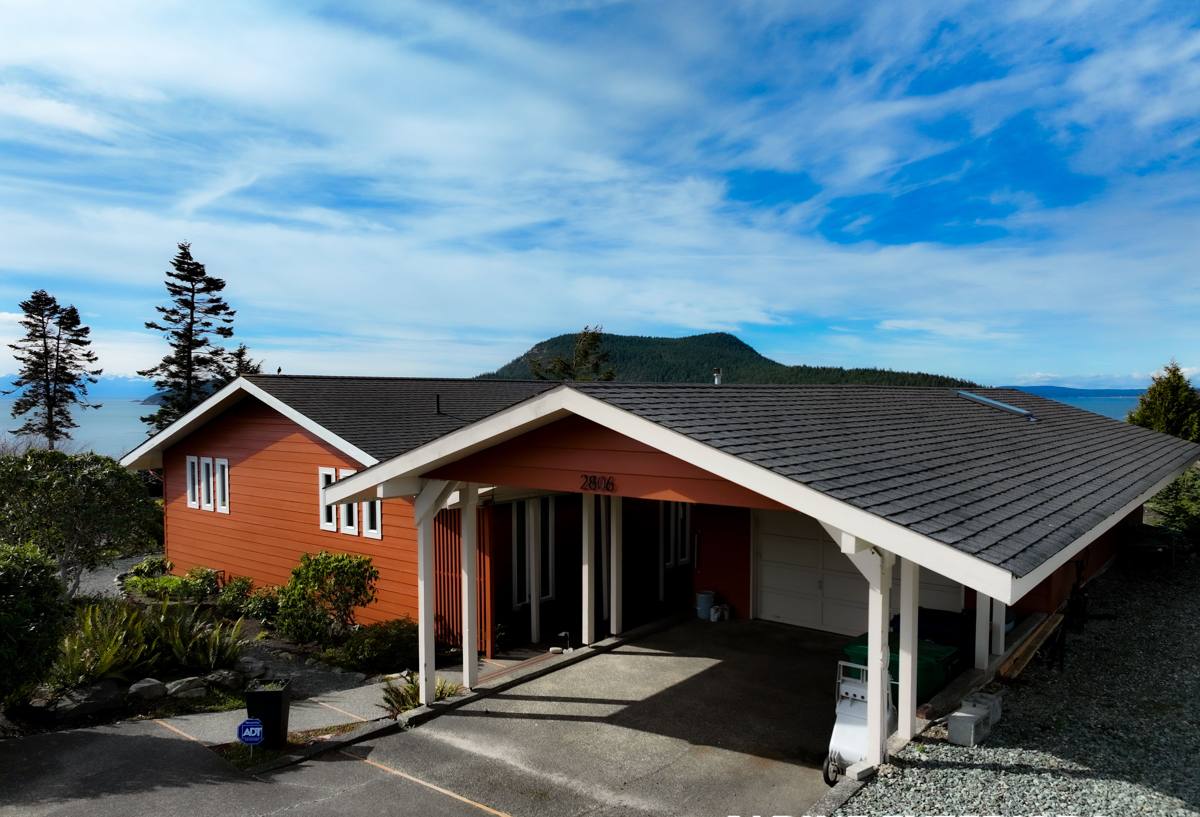
The Peace Arch area sits right where Blaine meets the international border, close enough to Semiahmoo Bay and Drayton Harbor that the weather off the water shapes almost everything about how a house ages here. Homes near the Peace Arch crossing and Peace Arch State Park see a steady mix of salt-laden air, wind-driven rain, and long stretches of gray, damp weather that never quite dries things out. That combination is hard on exteriors, and it's a big part of why we build the way we do in this corner of Whatcom County.
Blaine Exterior Co works on siding, roofing, windows, and decks, and every one of those trades has to answer to the same local conditions. This page walks through what homes in the Peace Arch area typically face, how we approach each part of the exterior, and why the products and methods we use are chosen specifically for a marine climate — not just what's cheapest or fastest to install.
What the Marine Climate Does to a House
Blaine's location on the Strait of Georgia means homes get weather patterns that inland Whatcom County properties don't deal with nearly as often. Three things matter most for exteriors near the Peace Arch:
Salt Air
Airborne salt from the Strait travels with the wind and settles on every exterior surface it reaches. Over time it accelerates corrosion on fasteners, flashing, and any metal components that aren't rated for coastal exposure. It also breaks down cheaper paints and coatings faster than they'd fail further inland, which shows up as chalking, fading, and early peeling.
Driving Rain
Storms coming off the water don't just fall straight down — wind pushes rain sideways into siding, window frames, and door thresholds. That means water is testing seams, joints, and caulk lines that a calmer climate would barely touch. Any weak point in the building envelope gets found eventually.
Moss and Sustained Dampness
Blaine's moss season runs long. Shaded roof slopes, north-facing siding, and anything under tree cover stays damp for extended stretches, which is exactly what moss and algae need to take hold. Left unmanaged, that growth holds moisture against the surface underneath it, whether that's roofing material, siding, or deck boards.
Siding: Why We Only Install James Hardie
Siding is the first line of defense against everything described above, and it's also the exterior component homeowners in the Peace Arch area ask us about most. We install James Hardie fiber cement siding exclusively — we don't install vinyl, LP SmartSide, or other engineered wood products, and we don't install unfinished cedar or primed spruce siding either.
That's not a marketing position, it's a practical one built around this climate:
- Fiber cement is non-combustible, which matters as much for insurance and building standards as it does for peace of mind.
- Hardie's ColorPlus factory finish is baked on and warrantied against fading and peeling, which holds up better against salt air than field-applied paint on wood-based products.
- Hardie's HZ5 product line is engineered for climates with freeze-thaw cycles and moisture exposure, which fits the Pacific Northwest coast better than a general-purpose product.
- Fiber cement doesn't absorb and swell with moisture the way wood-based siding can, which matters in a place where siding rarely gets a long stretch to fully dry out.
Wood-based and engineered-wood sidings aren't bad products everywhere — in a drier climate, with diligent maintenance, they can perform fine. But in a marine environment with this much sustained moisture and salt exposure, they demand a level of upkeep — repainting, sealing, patching moisture damage — that most homeowners don't want to sign up for. We'd rather put a product on your home that's built to handle Blaine's weather with routine maintenance instead of constant vigilance.
Roofing for a Wet, Wind-Exposed Coastline
Roofs near the Peace Arch take a beating from the same conditions as siding, plus direct sun and wind uplift on top of it. A few things we watch for specifically in this area:
Flashing and Fastener Corrosion
Salt air shortens the working life of standard fasteners and flashing. We use corrosion-resistant materials at valleys, penetrations, and edges, since those are the spots where a small failure turns into a leak fast.
Moss Management
Shaded and north-facing roof planes near the Peace Arch hold moisture longer, which makes them prime spots for moss growth. We look at ventilation, tree cover, and drainage as part of any roofing job — not just the shingles or panels themselves — because a roof that can't dry out will grow moss again no matter what's installed on it.
Wind-Driven Rain at Edges and Penetrations
Storms off the Strait push rain sideways into ridge caps, vents, and skylight curbs. Proper underlayment and ice-and-water shield at vulnerable points matter more here than they would in a calmer inland climate.
Windows: Keeping Water and Drafts Out
Older or poorly installed windows are one of the most common places we find water intrusion in Peace Arch homes. The issue is rarely the glass itself — it's usually flashing, sealant, and installation detailing that wasn't built for driving rain.
When we replace windows, we pay close attention to:
- Proper flashing integration with the surrounding wall assembly, not just caulking the perimeter and calling it done
- Sill pans that direct any water that does get past the exterior seal back out, instead of into the wall cavity
- Weatherstripping and glazing suited to the wind exposure this area sees off the water
A well-installed window in this climate should hold up to years of sideways rain without you noticing. A poorly installed one will tell you it's failing through drafts, fogging, or staining on the interior sill — usually well before the glass unit itself is the problem.
Decks Built for Sustained Moisture
Outdoor living spaces in the Peace Arch area deal with the same long damp season as roofs and siding. Deck framing and ledger connections are especially important here, since a deck that traps water against structural wood is a slow-motion problem that's easy to miss until it isn't.
For deck work, we focus on:
- Proper ledger board flashing where the deck attaches to the house, which is the single most common failure point on older decks
- Fasteners and hardware rated for wet, coastal exposure
- Decking material and spacing that allows airflow and drying between rain events, rather than trapping moisture against the joists
Why a Local Crew Matters
Blaine and the Peace Arch area have their own microclimate within Whatcom County — closer to the water, more exposed to wind off the Strait, and prone to a longer moss season than properties further inland. A crew that mostly works drier or more sheltered areas can miss details that matter here: where flashing needs extra attention, which roof slopes are chronic moss spots, or how much wind-driven rain a given wall assembly actually needs to shed.
Working locally also means we're not far away if a question comes up after the job is done, and we're familiar with the permitting and inspection expectations in Whatcom County and the City of Blaine. That local familiarity is part of the job, not a side benefit.
Cost Factors by Project Type
Exact pricing depends on the size and condition of your home, but these are the main factors that drive cost for each type of exterior project in the Peace Arch area:
| Project | Main Cost Drivers | Climate-Specific Factor |
|---|---|---|
| Siding | Square footage, tear-off/disposal, trim complexity | Hardie HZ5 product selection and factory finish add durability against salt air |
| Roofing | Roof size, pitch, layers to remove, material choice | Corrosion-resistant flashing and moss-prone slope treatment |
| Windows | Number of openings, frame material, full-frame vs. insert replacement | Flashing and sill pan detailing for wind-driven rain |
| Decks | Square footage, decking material, railing style, structural condition | Ledger flashing and hardware rated for sustained moisture |
A Simple Maintenance Checklist for This Climate
Whatever combination of siding, roofing, windows, or decking your home has, these are worth checking regularly if you're near the Peace Arch or anywhere else along Blaine's waterfront:
- Rinse salt residue off siding and window frames a few times a year, especially after windstorms off the water
- Clear moss and debris from roof valleys and shaded slopes before it builds up
- Check caulking around windows and doors annually for cracking or separation
- Inspect deck ledger flashing and fasteners for corrosion or looseness
- Keep gutters clear so water isn't backing up against fascia, siding, or roof edges
None of that replaces a proper inspection, but it catches a lot of small problems before they turn into expensive ones.
Get an Estimate
If you're in the Peace Arch area and dealing with aging siding, a roof that won't shed moss, drafty windows, or a deck that's seen better days, we're happy to take a look. We'll give you a straightforward read on what your home actually needs and a free, no-pressure estimate — no obligation, just an honest assessment from a crew that works this climate every day.