 Blaine Exterior
 Exterior Work Built for Sumas, Washington
Sumas sits at the northern edge of Whatcom County, tucked against the Canadian border in the Nooksack River valley. It's a small, tight-knit community with a mix of older farmhouses, mid-century homes, and newer construction spread along the valley floor and up into the surrounding foothills. Blaine Exterior Co has worked throughout this part of Whatcom County long enough to know that homes here take a specific kind of beating — and that the right exterior system has to be matched to it, not just installed and hoped for.
We're a Whatcom County-based crew, not a subcontractor network dispatched from out of the area. That matters more in a place like Sumas than it does in a big metro suburb, because the weather patterns, soil moisture, and seasonal conditions here are specific enough that generic installation practices don't hold up.
What the Climate Does to Homes in This Area
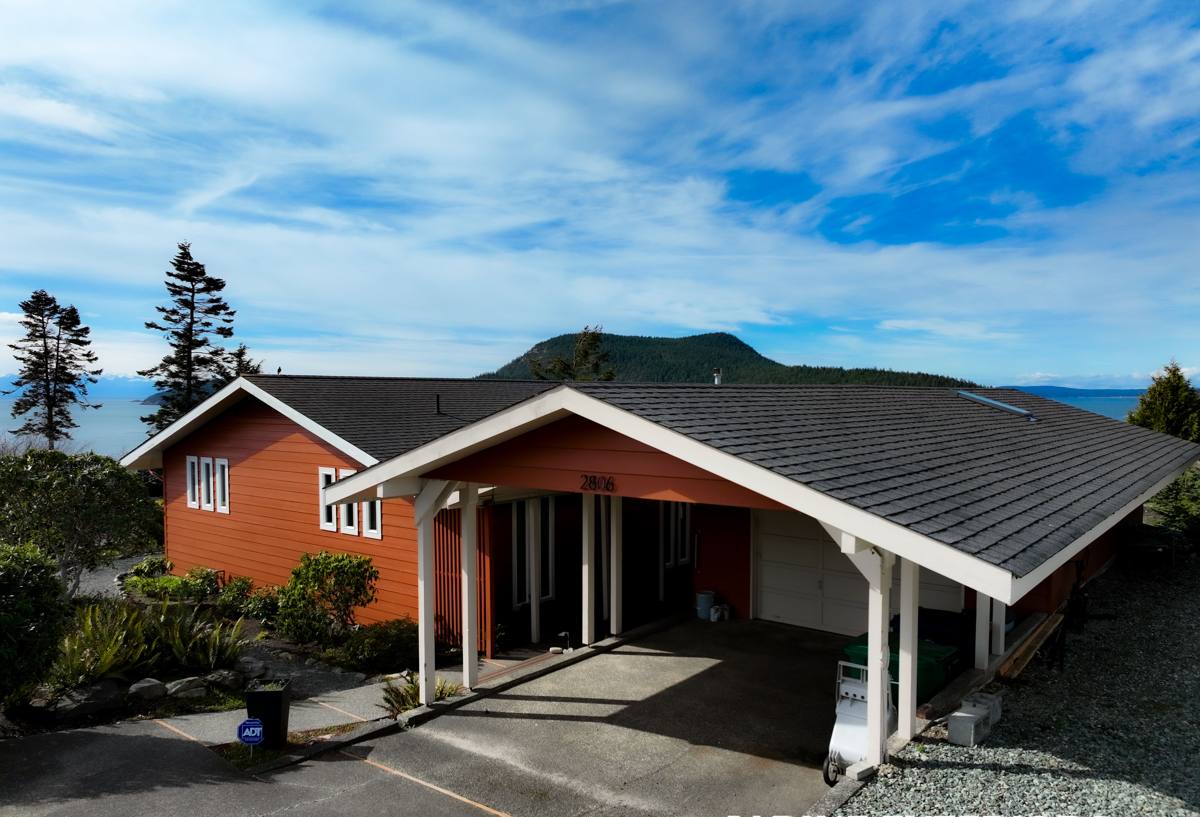
Whatcom County's exterior climate is defined by three things: persistent moisture, salt-influenced air moving in off the Strait of Georgia and Puget Sound, and a moss and algae season that runs longer than most homeowners realize. Sumas, being further inland and up the valley, sees slightly less direct salt exposure than coastal Blaine itself, but it more than makes up for it with valley fog, cooler overnight temperatures that hold dew on siding longer, and driving rain that comes in sideways during fall and winter storm systems.
The combination shows up on homes in predictable ways:
- North- and east-facing walls that stay damp for days after a storm, feeding moss and mildew growth
- Wood trim and fascia boards that soften, cup, or rot at the ends first
- Paint that fails early on wood or composite siding because moisture is getting in behind it
- Roof surfaces holding moss in shaded valleys and north slopes, which shortens shingle life if left unaddressed
- Window seals and flashing that degrade faster than manufacturer estimates suggest, letting moisture track into wall cavities
None of this is unique to any one street or neighborhood in Sumas — it's the nature of a valley climate in this corner of the Pacific Northwest. But it does mean exterior materials and installation details that work fine in a drier climate simply don't perform the same way here.
Why Moss Season Runs Longer Than People Expect
Most homeowners think of moss as a roof problem that shows up in late winter. In Whatcom County, moss and algae growth on siding and roofing can be active nearly nine months out of the year, slowing only during the driest stretches of summer. Shaded walls, areas under overhangs, and surfaces that don't get direct afternoon sun are especially vulnerable. Over years, that constant low-grade moisture exposure is what breaks down lower-grade siding materials faster than their warranties assume.
Why We Install James Hardie Fiber Cement — And Nothing Else
Blaine Exterior Co installs James Hardie fiber cement siding exclusively. We don't install vinyl, LP SmartSide, primed wood, cedar, or other fiber cement brands like Allura or Cemplank. That's not a marketing position — it's a standard we hold because of what we've seen happen to other materials in exactly this kind of climate.
Vinyl siding is affordable and low-maintenance in the sense that it doesn't need painting, but it's also a material that expands and contracts significantly with temperature swings, can warp or crack under impact in colder snaps, and doesn't hold up structurally the way a rigid fiber cement board does. Wood and engineered wood products like LP SmartSide can perform well when maintained aggressively, but "aggressively maintained" is the operative phrase — in a climate where walls stay damp for extended stretches, any gap in caulking, paint, or flashing becomes an entry point for moisture, and wood-based products are far less forgiving of that than fiber cement.
James Hardie fiber cement is non-combustible, doesn't rot, and resists moisture intrusion in a way wood-based siding structurally can't match. The factory-applied ColorPlus finish is baked on under controlled conditions rather than painted on-site, which means better color consistency and a finish that's substantially more resistant to the fading and chalking that Pacific Northwest UV and moisture cycles cause over time. Hardie's HZ5 product line is specifically engineered for climates with freeze-thaw cycles and high moisture exposure — which describes inland Whatcom County valleys like Sumas well.
What We Won't Do
We won't quote a job in a material we don't think will hold up on your home for the long term, even if it's what a homeowner initially asks about. If someone wants vinyl or engineered wood siding, we'll tell them honestly why we don't install it rather than take the job and cut a corner on our own standards.
Siding, Roofing, Windows, and Decks — One Crew, One Standard
We handle the full building envelope, which matters in a climate where these systems all interact. Siding installed without proper flashing coordination at the roofline, or windows installed without correct integration into the siding's weather-resistive barrier, are two of the most common failure points we see on homes that have had piecemeal work done by different contractors over the years.
| Service | What It Addresses in This Climate |
|---|---|
| Siding (James Hardie) | Moisture resistance, moss/algae resistance, non-combustible fiber cement built for wet climates |
| Roofing | Moss prevention detailing, proper underlayment and flashing for driving rain, ventilation to reduce trapped moisture |
| Windows | Correct flashing integration with siding to stop water intrusion at one of the most common leak points |
| Decks | Materials and fastening details suited to constant damp exposure and freeze-thaw cycling |
What a Sumas Exterior Project Typically Involves
Every home is different, but most projects in this area follow a similar sequence:
- On-site assessment of existing siding, roofing, trim, and moisture damage — including a look at what's happening behind the current material where accessible
- Identifying problem areas specific to the home's orientation and shading, since north-facing and shaded walls almost always need extra attention
- A written estimate that separates material, labor, and any repair work uncovered from rot or prior water intrusion
- Proper prep, including addressing any sheathing or framing damage before new siding goes on — new siding over a compromised wall doesn't solve the underlying problem
- Installation to manufacturer spec, including correct fastener placement, clearances, and flashing details that matter far more in a wet climate than a dry one
Cost Factors to Expect
| Factor | Why It Affects Price |
|---|---|
| Home size and wall complexity | More corners, gables, and dormers mean more cutting, fitting, and flashing detail |
| Existing damage | Rot or moisture damage found during tear-off adds repair scope beyond the original quote |
| Siding profile and color | Lap width, board texture, and ColorPlus color selection affect material cost |
| Access and site conditions | Steep lots, limited access, or multi-story walls affect labor and equipment needs |
| Scope of work | Siding-only versus a combined siding, roofing, and window project changes sequencing and total cost |
Signs Your Sumas Home May Need an Exterior Evaluation
- Persistent moss or dark streaking on north- or east-facing walls that pressure washing only temporarily removes
- Soft, spongy, or visibly cupped trim boards, especially near ground level or roof edges
- Paint that's peeling, bubbling, or failing years ahead of when it should
- Visible gaps, cracking, or warping in existing siding panels
- Moss buildup in roof valleys or on north-facing roof slopes
- Drafts, staining, or soft spots around window frames
- Deck boards that stay damp long after rain has stopped, or fasteners showing rust streaks
If you're seeing more than one of these on the list, it's usually worth having someone look at the whole exterior system rather than patching one symptom at a time.
Why a Local Crew Matters Here
Sumas isn't a large enough market to support a lot of exterior contractors who specialize in the specific demands of this valley climate. Homeowners here are often choosing between a local crew that understands the moisture and moss patterns firsthand, or a larger regional company that treats every job the same regardless of whether it's on the Sound or up against the border. We're based in Whatcom County, we see how these homes age year over year, and we build our installation details — flashing overlaps, fastener spacing, clearance from grade — around what actually holds up here, not around a generic national spec sheet.
Get a Straightforward Estimate
If your Sumas home needs new siding, roofing, windows, or deck work — or you just want an honest read on how much life your current exterior has left — we're happy to take a look. We'll walk the exterior with you, point out what we see, and give you a clear, no-pressure estimate. Use the form below to get started.