 Blaine Exterior
 Exterior Remodeling for Lynden Homes
Lynden sits inland from Blaine but still lives inside the same weather system that shapes exterior work across Whatcom County: marine air pushing in off the Strait of Georgia, long wet winters, and a growing season that's just as generous for moss and algae as it is for the dairy farms and berry fields around town. Homes here take a steady beating from moisture more than from any single dramatic storm event, and that's the distinction that should drive every decision about siding, roofing, windows, and decking.
We work throughout the Blaine and Lynden area and see the same patterns on houses of every era — farmhouses on acreage, newer subdivisions closer to town, and older homes that have been added onto more than once. The exterior problems we get called out for are rarely random. They track closely with material choice, installation quality, and how well a house was originally detailed for this climate.
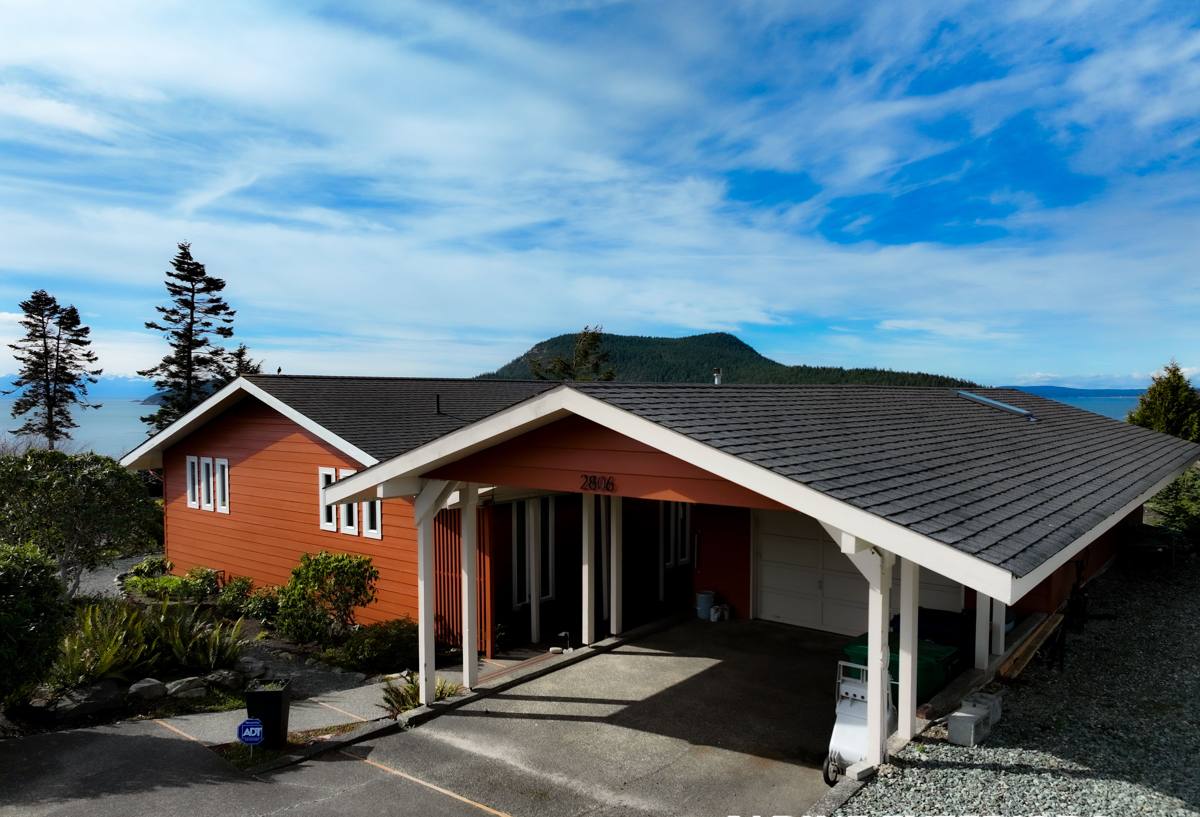
What the Whatcom County Climate Does to a House
The phrase "salt air, driving rain, and a long moss season" understates how relentless the cycle actually is. Lynden doesn't get hurricane-force wind events very often, but it gets months of low-intensity exposure that adds up faster than most homeowners expect.
Moisture That Never Fully Dries Out
Between fall and spring, many exterior surfaces in this region simply don't get a long enough dry stretch to fully release the moisture they've absorbed. Wood-based products — primed spruce trim, cedar siding, engineered wood panels — depend on wet-dry cycling to stay healthy. When the dry side of that cycle keeps getting cut short, moisture has more opportunity to work into seams, fastener holes, and cut edges.
Moss, Algae, and Organic Growth
Shaded north walls, areas under overhangs that stay damp, and roofs with low pitch or heavy tree cover are where we see the heaviest moss and algae buildup. This isn't just cosmetic. Moss holds moisture against a surface and, on roofing, can work under shingle edges and shorten the life of the roof system if it's left unaddressed for years.
Airborne Salt and Mineral Exposure
Lynden is far enough inland that salt exposure is lighter than it is right on the water in Blaine, but this area is still close enough to Puget Sound and the Strait that some airborne salt reaches homes, especially on west- and north-facing walls. Combined with rain, that salt film can accelerate wear on fasteners, flashing, and any finish that isn't built to handle a marine-influenced climate.
Siding: Why We Only Install James Hardie
We install James Hardie fiber cement siding exclusively. We don't offer vinyl, LP SmartSide, Cemplank, Allura, primed spruce, or cedar. That's not a marketing position — it's a decision based on what actually holds up under repeated wet-dry cycling in a climate like this one.
The Trade-Offs of the Alternatives
- Vinyl siding is affordable and low-maintenance in mild climates, but it can warp or become brittle over time with UV and temperature swings, and its seams and J-channels give moisture more places to find a way behind the panel.
- LP SmartSide and other engineered wood products perform reasonably well when installation details (caulking, flashing, ground clearance) are followed exactly, but any lapse in those details in a wet climate can lead to edge swelling over the life of the product.
- Cemplank and Allura are also fiber cement, and they're reasonable products — but we've standardized on one system so our crews install it to the same spec every time, and Hardie's factory-applied ColorPlus finish and climate-engineered HZ product lines are built specifically for regions like ours.
- Primed spruce and cedar can look excellent, and cedar in particular has real appeal, but both require ongoing refinishing and are more sensitive to the extended damp season Whatcom County gets than most homeowners realize going in.
Why Hardie Fits This Climate
Fiber cement doesn't absorb water the way wood-based products do, and it won't warp or rot. James Hardie's HZ5 product line is engineered for climates that see freeze-thaw cycling and sustained moisture, which describes most winters in Lynden. The factory-applied ColorPlus finish is baked on under controlled conditions, so it resists fading and chipping better than field-applied paint, and it comes with a longer color warranty than most repaint jobs would ever get you. It's also non-combustible, which matters more each year as regional wildfire smoke and dry-season risk creep into the Pacific Northwest's summer patterns.
Correct installation matters just as much as the product. Proper clearance from grade, correctly lapped and caulked joints, and flashing details around windows and doors are what actually keep moisture out over the following decades — the material is only half of the equation.
Roofing for a Long Wet, Mossy Climate
Roofs in Lynden work harder than the sun exposure alone would suggest. The real stress comes from sustained damp conditions, moss colonization, and the freeze-thaw cycles that hit the region in cold snaps. We look at ventilation, underlayment quality, and moss-resistant details as part of any roofing conversation, not just the shingle brand.
Signs a Roof Needs Attention
- Moss visibly growing on shaded slopes or north-facing sections
- Granules collecting in gutters, a sign the shingle surface is wearing down
- Dark streaking from algae, especially on roofs with limited sun exposure
- Soft spots or sagging near valleys, where water concentrates
- Daylight visible in the attic, or damp insulation after heavy rain
Where moss is already established, we address it as part of the project rather than just installing new material over an unresolved growth and ventilation problem.
Windows: Sealing Out Driving Rain
Wind-driven rain is one of the more underappreciated threats to a house in this region. It doesn't take a big storm to push water sideways into window openings that were flashed poorly or have failed sealant. Over time, that leads to hidden rot in the framing around the window, long before it shows up as a visible stain inside.
When we replace windows, flashing and sealing the opening correctly is as important as the window unit itself. We also talk with homeowners about energy performance, since Lynden sees genuinely cold snaps in winter and warm stretches in summer, and older single-pane or early dual-pane windows are often a bigger source of energy loss than people expect.
Decks: Built for Standing Moisture
Decks take the most direct hit from this climate because they're horizontal, which means water sits on them instead of running off the way it does on a wall. Ledger board connections, joist tops, and any spot where two pieces of material meet are where we see the earliest failures if a deck wasn't built or maintained with drainage in mind.
We build and repair decks with attention to proper flashing at the ledger, gapping between boards for drainage, and material choices that hold up to sustained moisture rather than just looking good on installation day.
Cost Factors for Lynden Exterior Projects
Every property is different, but the factors that most often move a project's scope and cost are consistent across the jobs we see in this area.
| Factor | Why It Matters Here |
|---|---|
| Existing moisture damage | Hidden rot behind old siding or around windows is common in a climate this wet, and repair work adds scope once walls are opened up |
| Roof pitch and shade coverage | Low-pitch, heavily shaded roofs need more moss mitigation and ventilation work |
| House size and complexity | Multiple gables, dormers, or wall planes increase both material and labor |
| Access and site conditions | Acreage properties and older farmhouses sometimes have access or grading issues that affect scaffolding and staging |
| Material tier | Hardie's HZ5 product line and premium ColorPlus finishes cost more upfront than base-tier siding but reduce long-term maintenance |
Why a Local Crew Matters
A crew that works this county regularly knows which details actually matter here — where moss tends to establish first on a roof, which wall orientations take the worst of the driving rain, and how much clearance siding needs from grade in soil that stays damp much of the year. That's knowledge you build by working the same climate over and over, not by reading a spec sheet once.
It also means someone local is available if a question comes up after the work is done, without the runaround of dealing with a company based somewhere with an entirely different climate and different failure points.
A Practical Exterior Health Checklist
- Walk the perimeter after a hard rain and look for water pooling against the foundation or siding
- Check north-facing and shaded walls for moss or dark streaking
- Look in gutters for granule buildup, a sign of aging roofing
- Inspect window corners and caulk lines for cracking or gaps
- Check deck ledger boards and joist tops for soft or discolored wood
- Note any siding panels that feel soft, bulge, or show peeling paint
If you're noticing any of these signs on a Lynden-area home, or you're planning a siding, roofing, window, or deck project and want a straight answer about what it actually needs, we're happy to take a look. Reach out using the form below for a free, no-pressure estimate.