 Blaine Exterior
 Deck Repair Built for Ferndale's Climate
Ferndale sits close enough to the water that decks here take a beating most inland homes never see. Salt-laden air off Bellingham Bay and the Strait works into fasteners and metal connectors year-round, driving rain soaks into end grain and joints for months at a stretch, and a long, cool moss season keeps deck boards damp long after a storm has passed. None of that is unusual for Whatcom County, but it does mean a deck that would last decades in a drier climate can start showing real problems in Ferndale within ten or fifteen years if it wasn't built or maintained with that reality in mind.
Deck repair here isn't just about patching what's broken. It's about understanding why that spot failed in the first place and making sure the fix doesn't just repeat the same mistake in wetter form. That's the approach we bring to every Ferndale deck repair call.
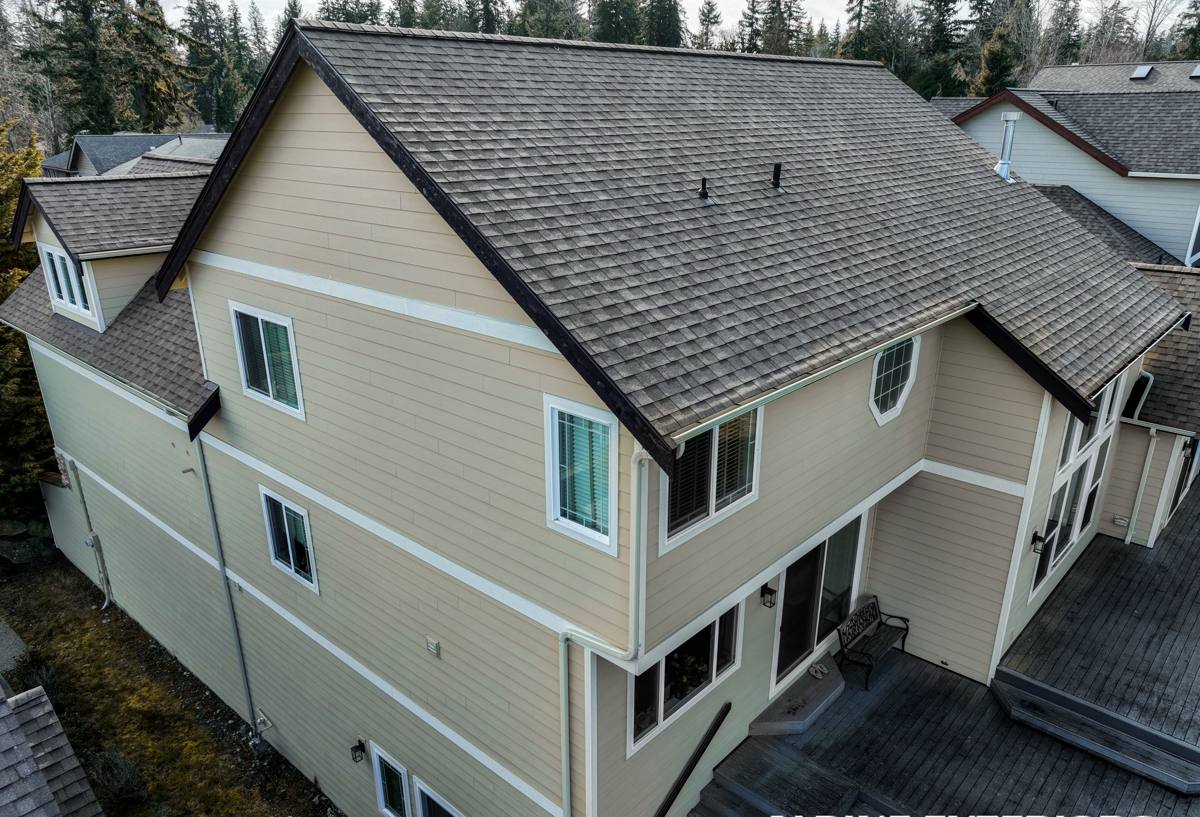
How the Local Climate Wears Down a Deck
Moisture That Doesn't Dry Out
Ferndale gets a lot of grey, damp days where the air stays humid even without active rain. Deck surfaces, especially ones shaded by trees or the house itself, can stay wet for days. Wood that's constantly damp is wood that's constantly at risk for rot, especially where boards butt against ledgers, posts sit in or near soil, and fasteners have started to loosen enough to let water track down into the framing.
Moss and Organic Buildup
Moss doesn't just look bad — it holds moisture directly against the wood surface and blocks airflow that would otherwise help boards dry between rains. Left alone through a full moss season, it can soften the top layer of a board and start feeding rot underneath, particularly on north-facing decks or ones tucked under overhangs that don't get much sun.
Salt Air and Metal Fatigue
Being near the water means airborne salt settles on everything, including deck hardware. Nails, screws, joist hangers, and post bases that aren't rated for coastal exposure corrode faster here than they would twenty miles inland. Corroded fasteners lose their grip strength long before they look obviously rusted through, which is part of why some structural issues aren't visible from the surface.
Freeze-Thaw Cycling
Whatcom County doesn't get brutal winters, but it does get repeated freeze-thaw swings through the colder months. Water that's worked its way into a crack or a fastener hole expands when it freezes, widening the damage a little more each cycle. Over a few seasons, that's enough to turn a hairline crack into a real structural weak point.
Warning Signs a Ferndale Deck Needs Repair
- Soft or spongy spots when you walk across the deck, especially near the house or around post bases
- Boards that stay dark or damp-looking well after the rest of the deck has dried
- Visible moss or algae buildup that returns quickly after cleaning
- Rust streaks below screw heads or around metal connectors
- Railings that flex, wobble, or feel less solid than they used to
- Gaps opening up where the deck meets the house (the ledger board connection)
- Stair stringers that feel uneven or bouncy underfoot
- Nails backing out or screw heads sitting proud of the board surface
Any one of these on its own might be minor. Several together, or anything involving the ledger board or main support posts, is worth having looked at before the next wet season.
What a Proper Deck Repair Involves
Not every repair is the same, and a lot of what separates a lasting fix from a temporary patch comes down to what happens below the surface boards. Our process for a Ferndale deck repair generally covers:
1. Full Structural Inspection
We check the ledger board connection to the house first, since that's the single most important structural point on most decks and one of the most common failure areas in wet climates. From there we look at joists, beams, posts, and footings, probing for soft wood rather than just checking for visible damage.
2. Fastener and Hardware Review
Given the salt exposure in the Ferndale area, we pay close attention to the condition of joist hangers, post bases, and structural screws. Corroded hardware gets replaced with fasteners rated for coastal and treated-lumber use, not just whatever matches what's already there.
3. Board Replacement, Not Just Surface Patching
When decking boards have rot or persistent moss staining, we replace the affected boards rather than sanding or resurfacing over a problem that will just resurface. Adjacent boards get checked too, since rot rarely stops at a clean line.
4. Drainage and Airflow Correction
A lot of repeat deck problems trace back to poor drainage or blocked airflow underneath the deck. Where we can improve that — grading, gaps between boards, ventilation at skirting — we address it as part of the repair so the same failure doesn't come back in a year or two.
5. Railing and Stair Safety
Loose railings and uneven stairs are safety issues, not cosmetic ones. We re-secure or rebuild these to current structural standards, which sometimes means updating older hardware or bracing that wouldn't pass inspection today.
Repair vs. Replacement: How We Make That Call
| Factor | Leans Toward Repair | Leans Toward Replacement |
|---|---|---|
| Ledger board condition | Solid, properly flashed | Rotted or improperly flashed against the house |
| Support posts and footings | Sound, no soft wood | Widespread rot or undersized for current code |
| Decking boards | Isolated problem areas | Rot or moss damage spread across most of the surface |
| Age of structure | Under 15-20 years, built to a reasonable standard | Older structure with outdated framing or hardware |
| Overall cost | Repair cost is a fraction of full rebuild | Repair cost approaches or exceeds a large share of rebuild cost |
Most decks we're called out for in the Ferndale area fall into repair territory — a section of rotted decking, a compromised ledger connection, or corroded hardware that's affecting one part of the structure. Full replacement usually only makes sense when the framing itself has widespread rot or when the deck was undersized or under-built to begin with.
Why Hiring Local Experience Matters
A deck repair crew that hasn't worked in this specific stretch of Whatcom County can miss things that are second nature to a crew that has. Knowing which fastener grades actually hold up against the salt air near Blaine and Ferndale, understanding how long a board realistically stays wet in a shaded northwest-facing yard, and recognizing early moss damage before it becomes structural rot — that's the kind of judgment that comes from doing this work in this climate repeatedly, not from a general repair checklist.
It also matters for follow-through. A repair done without accounting for local drainage and moisture patterns can look fine for a season and then fail again the next wet winter. We build repairs to hold up to the conditions Ferndale actually sees, not just to pass a quick visual check.
Maintaining Your Deck Between Repairs
Good repair work lasts longer when it's paired with basic upkeep suited to this climate. A few habits make a real difference:
- Sweep debris and standing water off the deck surface regularly, especially in fall and winter
- Clean moss and algae buildup before it has a chance to soften the wood underneath
- Keep gutters and downspouts near the deck clear so runoff isn't draining directly onto it
- Check railings and stair connections for looseness once or twice a year
- Reseal or restain on the schedule appropriate for your specific finish, not just when it looks faded
- Trim back vegetation that's shading the deck and keeping it from drying out
What to Expect When You Call Us
We start with a straightforward look at the deck — no pressure, no upsell script. If it's a simple board or hardware fix, we'll say so. If we find something more serious, like ledger rot or compromised footings, we'll explain exactly what we found, why it matters, and what the realistic options are, including honest cost ranges before any work begins. Whatcom County's building requirements around railings, stair rise/run, and structural attachment points factor into any repair we do, so what we fix is built to actually hold up, not just to look repaired.
If you're in Ferndale or the surrounding Blaine area and your deck is showing any of the signs above, we're happy to take a look. Reach out for a free, no-pressure estimate using the form below.