 Blaine Exterior
 Why Windows Fail Faster on the Semiahmoo Waterfront
Semiahmoo sits right on the water, and that location is exactly what makes window installation here different from a job three miles inland in Blaine. Homes along the spit and around Semiahmoo Bay take a steady mix of salt-laden air, wind-driven rain that comes in sideways rather than straight down, and a moss season that stretches for months during the wet stretch of the year. Any one of those on its own is manageable. Together, they shorten the life of a poorly installed window and speed up corrosion, seal failure, and rot around one that was installed correctly but with the wrong materials.
We install windows across Whatcom County, but waterfront and near-waterfront properties like the ones around Semiahmoo get a different level of attention from us on hardware selection, flashing details, and sealant choice. This page walks through what that actually means, not as a sales pitch, but as a plain explanation of what your home needs and what a correct job looks like.
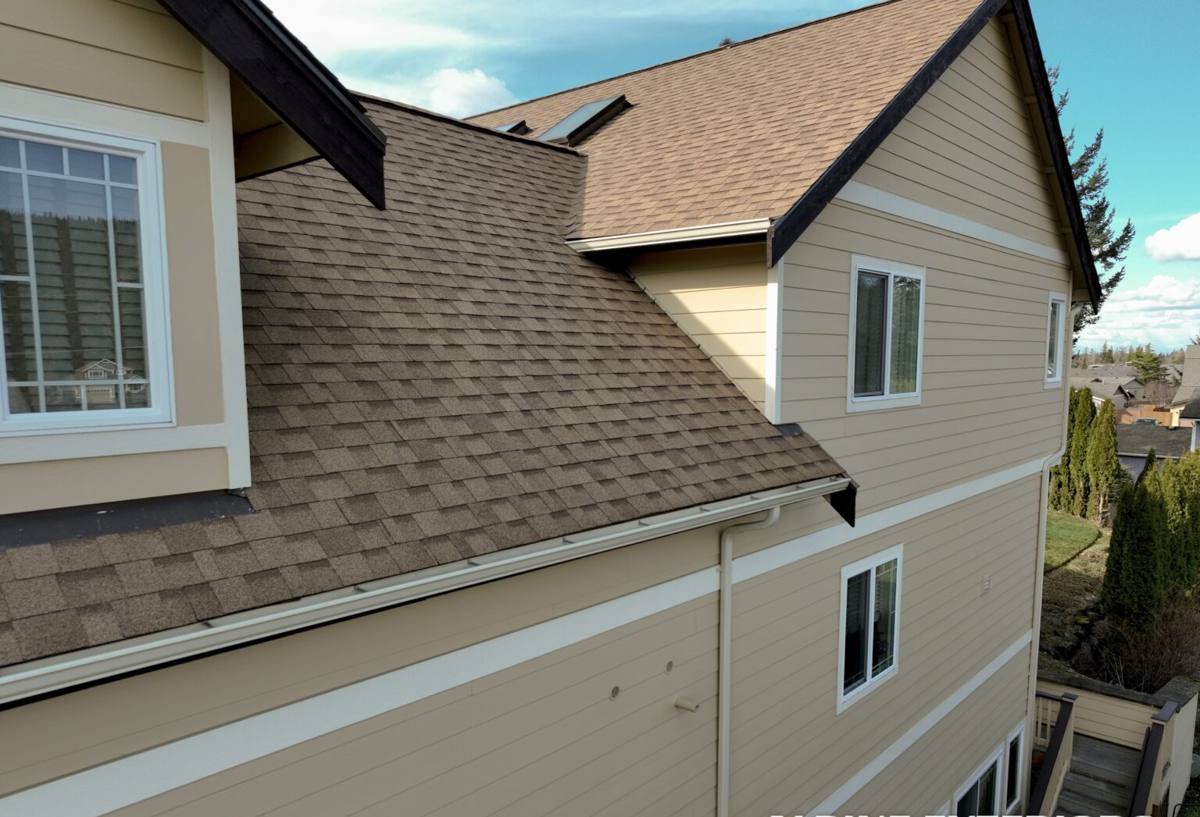
What Salt Air, Rain, and Moss Actually Do to a Window
Salt Air and Metal Hardware
Airborne salt accelerates corrosion on anything metal — window locks, hinges, screen frames, and especially lower-grade aluminum cladding or hardware. Over a few winters, corroded hardware stops locking properly, cranks seize on casement windows, and finishes chalk out or pit. This isn't a defect specific to one brand; it's simple chemistry, and it means hardware quality and finish matter more here than in a drier, inland part of the county.
Wind-Driven Rain and Water Intrusion
Blaine and the surrounding waterfront get rain that doesn't just fall — it gets pushed sideways into wall assemblies by wind off the water. A window that would be fine under normal rainfall can leak under wind-driven conditions if the flashing, house wrap integration, and sill pan weren't done correctly. Once water gets behind the exterior trim, it can sit against sheathing and framing for months before anyone notices a soft spot or a stain.
Moss and Prolonged Moisture
Moss doesn't just grow on roofs. On window sills, trim, and the tops of casings that don't shed water well, sustained moss and algae growth hold moisture against wood and painted surfaces for extended periods. That constant dampness is what actually causes rot — the moss is a symptom of a surface that stays wet too long, which usually points back to a drainage or slope problem at installation.
Signs a Semiahmoo Home May Need New Windows
Some of these show up gradually, which is why they get ignored until a window is failing outright. Worth checking for:
- Fogging or a permanent haze between panes — the seal on the insulated glass unit has failed
- Visible gaps, soft or discolored trim, or paint that bubbles near the sill
- Windows that are difficult to open, close, or lock, especially after a cold snap
- A noticeable draft or cold spot near the frame even with the window shut
- Moss or dark streaking building up on the sill or the top of the casing
- Condensation forming on the inside of the glass regularly during winter
- A rise in heating costs without any other explanation
- Rusted or corroded hardware that no longer moves smoothly
Any one of these on its own might just need a repair. Several together, especially on a home's water-facing side, usually means it's time to talk about replacement before the underlying wall assembly gets involved.
What a Correct Window Installation Actually Involves
Window installation looks simple from the outside — old window out, new window in — but the parts that determine whether it lasts are mostly invisible once the trim goes back on. This is where most problems on coastal homes actually start.
Removal and Opening Inspection
Once the old window is out, we inspect the rough opening for rot, prior water damage, or missing/failed flashing before anything new goes in. Installing a new window into a compromised opening just seals the problem behind fresh trim.
Sill Pan and Flashing
A sloped sill pan and properly lapped flashing (integrated with the house wrap in the correct shingle-style order, bottom to top) are what actually stop wind-driven rain from getting behind the window. This step matters more on an exposed waterfront wall than almost anything else in the job.
Sealant Selection and Placement
Not every sealant is built for constant salt and moisture exposure. We use products rated for exterior, marine-adjacent conditions, and we're deliberate about where sealant goes and where it doesn't — a fully sealed perimeter with no way for incidental moisture to escape can trap water instead of shedding it.
Insulation and Air Sealing
The gap between the window frame and the rough opening gets insulated and air-sealed without over-compressing the material, which can distort the frame and affect operation.
Final Fit, Operation, and Cleanup
Every window gets checked for square, level, and smooth operation before trim goes back on, and we walk the job site to confirm nothing was missed.
Choosing Window Materials for Coastal Whatcom County Conditions
Material choice matters more here than it does further inland. The table below is a general guide, not a hard rule for every home — architecture, budget, and how a home is oriented to the water all factor in.
| Material | Salt Air Performance | Maintenance | Typical Fit |
|---|---|---|---|
| Vinyl | Good — won't corrode; UV-stable formulations hold up well | Low — occasional cleaning | Most homes; strong value on exposed waterfront walls |
| Fiberglass | Very good — dimensionally stable, resists pitting | Low | Homes wanting a wood look with less upkeep |
| Aluminum-clad wood | Depends heavily on cladding quality and hardware grade | Moderate to high | Traditional or higher-end architectural styles |
| Bare wood | Poor in direct salt exposure without diligent upkeep | High — regular refinishing needed | Better suited to sheltered, non-waterfront walls |
Our general standard for waterfront-facing walls in Semiahmoo is to steer clients toward vinyl or fiberglass unless there's a strong architectural reason to do otherwise, and to be upfront about the added maintenance commitment that comes with wood in this environment. That's a maintenance-and-longevity recommendation, not a knock on any manufacturer.
Glass and Hardware Worth Asking About
- Dual or triple-pane glass with a durable low-E coating for energy performance
- Corrosion-resistant hardware finishes — ask specifically about salt-air rated options
- Warm-edge spacer systems, which resist seal failure better than older metal spacers
- Screens and hardware that are easy to remove for cleaning, since salt residue builds up faster here than inland
Our Process, From Estimate to Final Walkthrough
- On-site assessment. We look at existing window condition, wall orientation to wind and water, and any signs of past moisture issues before recommending anything.
- Honest options, no pressure. We'll tell you where a repair is reasonable versus where replacement is the better long-term call, and explain the trade-offs between material choices for your specific exposure.
- Written estimate. Clear scope, materials, and timeline before any work starts.
- Installation. Rough opening inspection, correct flashing and sill pan work, proper sealant, and careful fit and finish.
- Final walkthrough. We test every window with you before we consider the job done.
Why Hiring a Crew That Already Works Semiahmoo Matters
A window installer who mostly works dry, sheltered, inland sites can do a technically fine job and still get it wrong on a waterfront wall in Semiahmoo — not from lack of skill, but from not building the habit of treating every waterfront opening as an exposure risk first. Crews that regularly work this stretch of Blaine and the surrounding Whatcom County waterfront already default to marine-rated sealants, corrosion-aware hardware choices, and flashing details built for wind-driven rain, because they've seen what happens when those steps get skipped. That local pattern recognition is worth more on a job like this than a lower bid from someone unfamiliar with what the water side of the county does to a building over time.
Maintaining New Windows in a Salt Air Environment
Even a correctly installed window benefits from basic upkeep in this environment:
- Rinse salt residue off frames and glass periodically, especially after storms
- Keep sills and tracks clear of moss, debris, and standing water
- Lubricate hardware per manufacturer guidance to keep locks and cranks moving freely
- Check exterior caulking annually and have any cracking addressed before the wet season
- Watch for early signs of trim discoloration, which usually means water is sitting somewhere it shouldn't
None of this is high-maintenance — it's the same basic care most exterior features need near the water, and it goes a long way toward protecting the installation investment.
Get a Straightforward Estimate
If your Semiahmoo home has windows showing their age, or you're planning ahead of the next wet season, we're happy to take a look and give you an honest read on repair versus replacement — no pressure, no upsell. Use the form below to request a free estimate.