 Blaine Exterior
 Why Semiahmoo's Waterfront Climate Is Tough on Windows
Semiahmoo sits right where Semiahmoo Bay meets Drayton Harbor, and that location comes with a specific set of weather conditions most inland homes never have to deal with. Wind off the water carries salt spray onto siding, trim, and glass. Driving rain, pushed sideways by exposed-water gusts, finds its way into every gap a window frame has to offer. Whatcom County's long, damp stretch of the year also keeps moss and algae established on north-facing surfaces for months at a time. Temperature swings are milder here than they are further inland, but the constant humidity means wood and hardware rarely get a real chance to dry out between weather systems.
None of that is a problem for a window that was installed correctly with the right materials. It becomes a problem fast for a window that wasn't. Salt residue accelerates corrosion on hardware and fasteners. Constant moisture finds any weak point in flashing or sealant and works it wider every season. Homes exposed to direct wind off the bay see more pressure on seals and weep systems than a similar home a few miles inland.
A window replacement in Semiahmoo isn't just a cosmetic upgrade — it's a chance to correct whatever the original installation got wrong and build in the water management a coastal property actually needs.
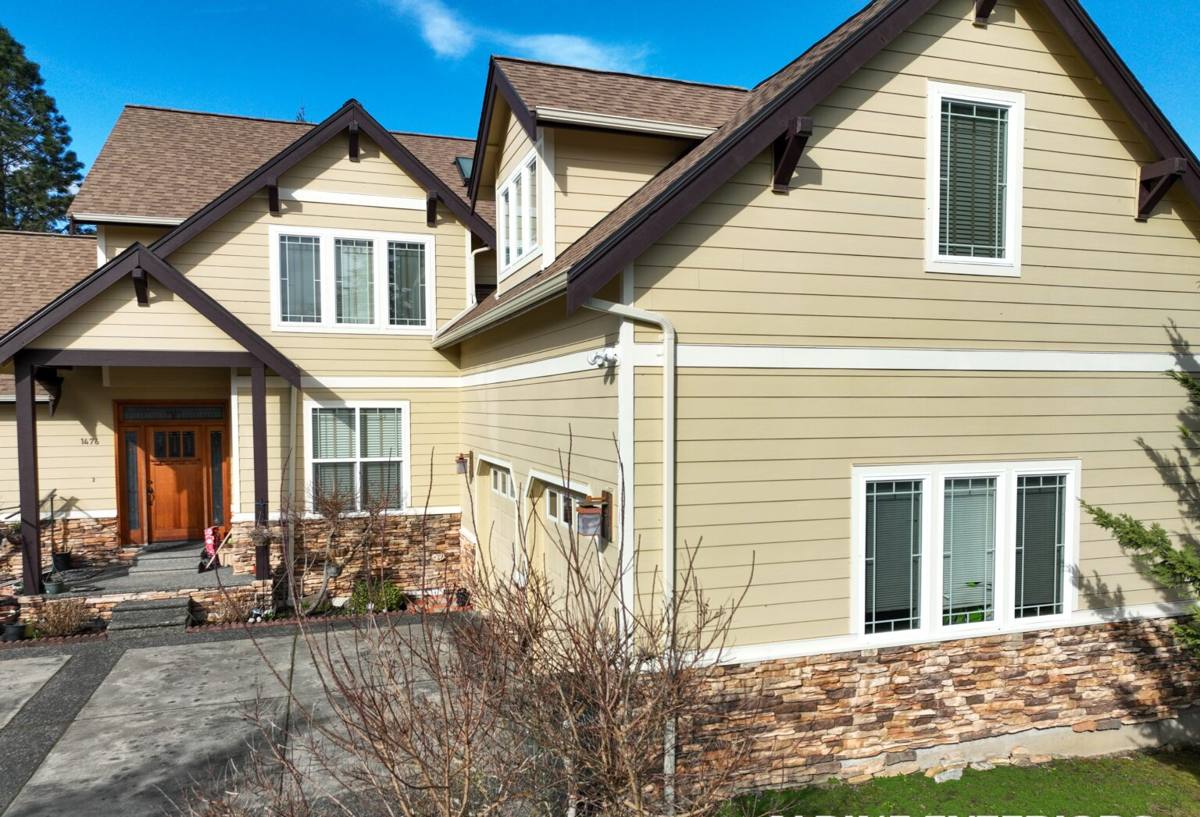
Signs Your Current Windows Are Losing the Battle
Most homeowners don't replace windows because they woke up wanting new ones — they replace them because the old ones are visibly failing. In a salt-air, high-rain environment like Semiahmoo, the failure signs tend to show up earlier and more clearly than they would further inland.
- Fogging or a milky haze between panes, a sign the seal on a double- or triple-pane unit has failed and the gas fill is gone
- Persistent drafts near the frame, even with the window fully latched
- Wood that feels soft, spongy, or discolored at the sill or lower corners
- Hardware — cranks, latches, hinges — that has visibly corroded or seized up
- Difficulty opening, closing, or locking a window that used to operate smoothly
- Visible gaps, cracked caulk, or daylight showing around the frame from inside
- A noticeable jump in heating costs without any other explanation
- Condensation forming on the interior glass regularly during the cooler months
Any one of these on its own might just need a repair. Several at once, especially on a window facing the water or the prevailing wind, usually means the unit and its original installation have reached the end of their useful life.
What a Correct Window Replacement Job Actually Involves
The window unit itself is only part of the job. In a coastal environment, how it's installed matters as much as what's installed — a premium window put in with shortcuts on flashing or sealant will fail years before a mid-range window installed correctly. Get any one of the following steps wrong and the window, no matter how good the brand, won't perform the way it's rated to.
Removal and Substrate Check
Once the old window comes out, the surrounding framing gets inspected before anything new goes in. This is the point where hidden rot, past water intrusion, or compromised sheathing gets found — and it needs to be dealt with before a new window goes back into the same opening, not covered over and left for the next owner to discover.
Flashing and Water Management
Proper flashing directs any water that gets past the window itself back out of the wall assembly instead of into it. On a property exposed to driving, wind-pushed rain, this step is not optional — it's the difference between a window that stays dry for decades and one that starts rotting the framing around it within a few years.
Insulation and Air Sealing
The gap between the new window frame and the rough opening gets sealed and insulated properly, not just stuffed with whatever's on hand. Done right, this stops both drafts and the moisture that condenses inside a poorly sealed gap.
Final Sealing and Trim
Exterior caulking and trim work has to hold up to salt exposure and constant moisture cycling, which means using sealants rated for it and finishing the job so water sheds away from the window instead of pooling against it.
Choosing Frame Materials for a Waterfront Climate
Frame material makes a real difference in how a window holds up to salt air and constant moisture. There's no single "best" option for every home — it depends on your budget, the exposure of the specific window, and how much upkeep you're willing to take on.
| Frame Material | Salt Air / Moisture Performance | Maintenance | General Cost Range |
|---|---|---|---|
| Vinyl | Good — won't rot or corrode, though it can become more brittle with age under constant UV and salt exposure | Low | Lower |
| Fiberglass | Excellent — dimensionally stable and resists moisture and salt corrosion well | Low | Higher |
| Wood (clad exterior) | Good on the exterior-clad side, but any exposed wood needs consistent upkeep this close to salt air | Higher | Higher |
| Aluminum | Prone to corrosion and thermal transfer in this climate unless specifically treated | Moderate | Varies |
For most Semiahmoo homes with direct water exposure, we steer clients toward vinyl or fiberglass for the windows that take the brunt of the wind and salt, and reserve wood-clad options for more protected elevations where the look matters more than raw exposure resistance.
Glass Packages and Performance Options
The glass unit matters as much as the frame. Most replacement windows today come as insulated double-pane units, with triple-pane available as an upgrade.
Low-E coatings reflect radiant heat while still letting visible light through — useful year-round in a marine climate where you want to hold onto interior heat during the wet months without turning the house into a greenhouse on the rare sunny day. Argon or krypton gas fills between panes improve insulation value, though that benefit fades over the life of the window as the seal ages and gas slowly escapes — one more reason seal quality and installation care matter more than any single spec on a brochure.
Window performance labels — U-factor, solar heat gain coefficient, and condensation resistance — are worth checking rather than skipping past. In a marine climate like this one, a lower U-factor and a higher condensation resistance rating matter more than they would in a drier inland location, since they reflect how well a window resists both heat loss and the interior condensation that constant humidity encourages.
Triple-pane glass adds cost and weight but can be worth it on walls facing directly into prevailing wind and weather, where the extra insulating layer and sound dampening pay off. On more sheltered elevations, a well-installed double-pane unit is usually the more practical choice.
What Affects the Cost of a Window Replacement
Every Semiahmoo home is different, and a fair estimate depends on seeing the actual openings, but the same handful of factors drive cost on nearly every job.
| Factor | Why It Matters |
|---|---|
| Number and size of windows | More openings and larger units mean more material and labor |
| Frame material | Vinyl, fiberglass, and wood-clad options sit at different price points |
| Condition of the existing opening | Hidden rot or water damage found during removal adds repair work before the new window goes in |
| Glass package | Low-E coatings, gas fills, and triple-pane upgrades add cost over standard double-pane glass |
| Exposure and access | Windows facing direct wind and water, or requiring scaffolding or lift access, take more time to install correctly |
| Trim and finish work | Matching existing trim or upgrading exterior finish adds to the scope |
We give straightforward, itemized estimates so you know exactly what you're paying for and why — not a vague lump-sum number that hides what's actually being done.
Our Process, From Estimate to Walkthrough
- On-site assessment. We look at every window being replaced, note the exposure and condition of each opening, and flag anything that looks like it may need extra attention once the old unit comes out.
- Written estimate. You get a clear breakdown of materials, labor, and any anticipated repair work — not a single number with no explanation behind it.
- Measurement and ordering. Once you approve the scope, we take final measurements and order windows built to the correct specifications for each opening.
- Installation. Old windows come out, framing gets inspected and repaired as needed, new units go in with proper flashing and sealing, and insulation and trim are finished to hold up to the exposure that specific opening actually gets.
- Cleanup and walkthrough. We clear the work area and walk every replaced window with you so you can see it operate and confirm the finish work before we consider the job done.
Why Hiring a Crew That Already Works Semiahmoo Matters
Window installation isn't the same job in every location. A crew used to inland, sheltered construction can do fine work and still miss the details that matter on a property exposed to direct wind and salt off the water — the extra bead of sealant, the corrosion-resistant fastener, the flashing detail that accounts for wind-driven rain instead of rain simply falling straight down.
We work in Blaine and the surrounding Whatcom County shoreline regularly enough to know which elevations on a Semiahmoo property tend to take the worst of the weather, and to build the installation around that reality instead of a generic install routine. It also means fewer surprises on scheduling — we already know how weather off the water can push back an install day, and we plan around it instead of leaving you guessing. If your property is part of a homeowners association or a shared waterfront development, we're also used to working within whatever exterior appearance guidelines apply — worth raising with us early so it doesn't slow down your project later.
Caring for New Windows Through Semiahmoo's Weather
A correctly installed window is close to maintenance-free, but a little seasonal attention keeps it that way longer in this environment.
- Rinse salt residue off frames and glass periodically, especially after storms with direct wind off the water
- Check and lubricate hardware — cranks, hinges, locks — once or twice a year so corrosion doesn't get a foothold
- Look over exterior caulking each fall before the wet season sets in, and have any cracked or shrunk sealant addressed early
- Clear moss and organic buildup away from window trim and sills during Whatcom County's long moss season, since trapped moisture against wood or trim is what causes slow rot
- Watch for condensation between panes — it's the clearest sign a seal has failed and the unit needs attention, not a cosmetic issue to ignore
If you're dealing with drafty, foggy, or hard-to-operate windows on a Semiahmoo property, we're happy to take a look and put together a straightforward, no-pressure estimate — just fill out the form below and we'll go from there.