 Blaine Exterior
 Siding Built for Semiahmoo's Waterfront Exposure
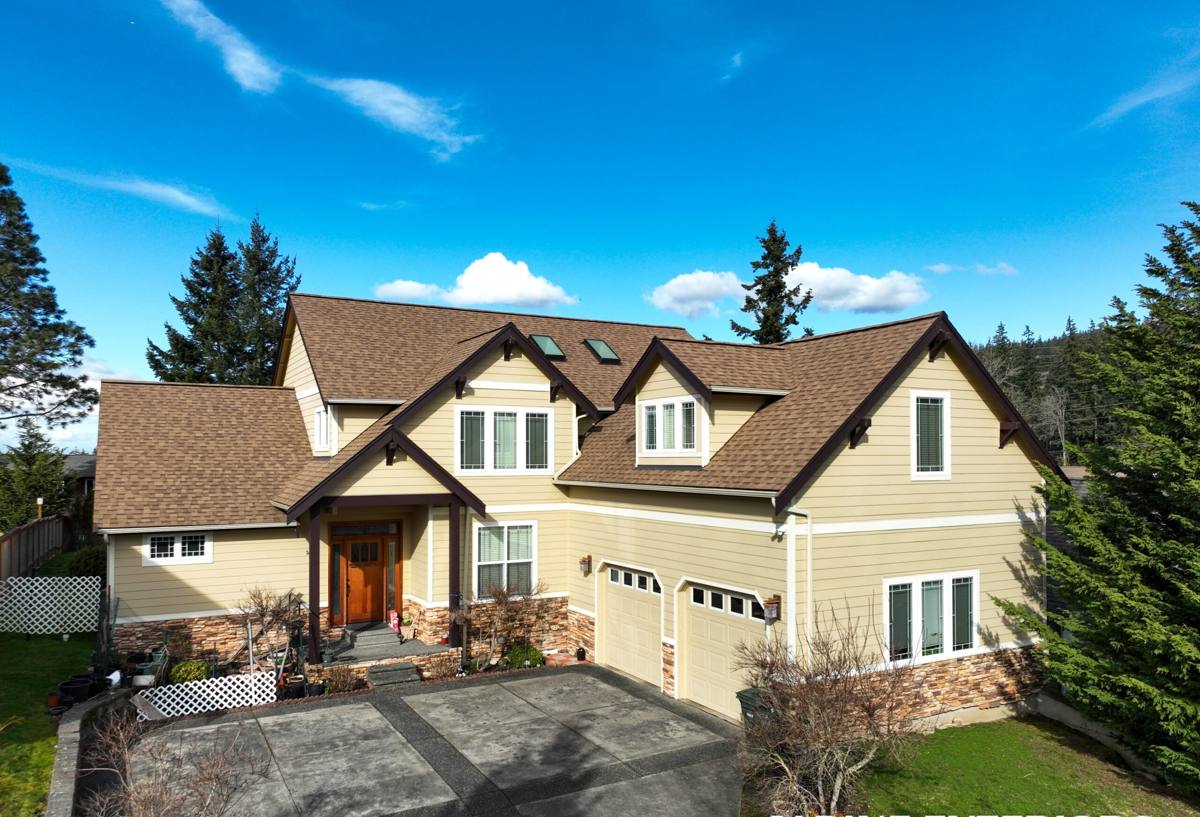
Semiahmoo sits about as close to saltwater and open weather as a Whatcom County home can get. That location is the whole appeal of living out there, and it's also exactly why siding fails faster on this stretch of coastline than it does a few miles inland in Blaine proper. Salt-laden air, wind-driven rain coming straight off the water, and a long, damp moss season put a different kind of stress on a home's exterior than what you'd see on a typical inland lot. Siding installation in Semiahmoo isn't a job you can approach with a generic, one-size-fits-all method — the material, the detailing, and the crew's familiarity with this specific microclimate all matter.
We install James Hardie fiber cement siding exclusively, and we work Semiahmoo regularly enough to know where water and salt actually cause trouble on homes out here — not in theory, but in the specific spots where wind patterns, roof lines, and site exposure combine to create problems.
What Semiahmoo's Climate Actually Does to Siding
Salt Air
Airborne salt from the Semiahmoo Bay and the Strait beyond it settles on every exterior surface within reach of the water. Over time it accelerates corrosion on exposed metal fasteners, flashing, and hardware, and it can degrade certain paint and coating systems faster than manufacturers' standard warranties assume. A siding product's fastener spec and factory finish matter more here than they would on a home set back from the shoreline.
Driving Rain
Wind off the water doesn't just drop rain straight down — it pushes it sideways into wall assemblies, seams, and trim joints that a calmer climate would never test. Any weakness in a siding system's water management — laps that are too tight, caulk used where a proper flashing detail belongs, penetrations that weren't sealed correctly — shows up as staining, rot, or paint failure within a few wet seasons, not decades.
Moss and Prolonged Dampness
Whatcom County's marine climate keeps north- and west-facing walls damp for long stretches of the year, especially on lots with tree cover or tight side yards that don't get much sun or airflow. Moss and algae take hold on porous or absorbent siding materials, and constant moisture at the surface is what drives rot in wood-based products and delamination in lower-grade composites.
Why This Matters for the Material You Choose
We've built our entire business around installing only James Hardie fiber cement siding, and Semiahmoo is a good example of why. Fiber cement is non-combustible and dimensionally stable, it doesn't absorb water the way wood-based siding does, and it holds a factory-applied ColorPlus finish that's engineered to resist fading and hold up in harsh, moisture-heavy environments better than field-applied paint. That combination matters more on an exposed waterfront lot than it does almost anywhere else in our service area.
We don't install vinyl, LP SmartSide, primed wood, or cedar, and we're upfront about why: those products all carry real trade-offs — moisture sensitivity, maintenance burden, or long-term appearance issues — that show up faster in an environment like Semiahmoo's than they would in a drier, more sheltered part of the county. That's our standard, not a claim that every other product is unusable everywhere. It's a judgment call we've made about what holds up on the homes we're asked to work on.
Comparing How Common Siding Materials Handle Coastal Exposure
| Material | Salt Air Behavior | Driving Rain / Moisture | Moss & Algae Resistance |
|---|---|---|---|
| James Hardie Fiber Cement | Non-combustible, stable; factory finish resists salt-driven fading | Engineered water-management details when installed to spec | Dense, low-absorption surface holds up well with normal cleaning |
| Vinyl | Can chalk, discolor, or become brittle faster near salt air over time | Panels can trap moisture behind them if not detailed correctly | Textured surfaces can hold organic growth |
| Primed Wood / Cedar | Salt accelerates coating breakdown, exposing bare wood | Absorbs water at joints and end grain; needs vigilant maintenance | Organic material is naturally more susceptible |
| LP SmartSide (engineered wood) | Coating performs reasonably but is maintenance-dependent | Edge sealing and caulking must be kept up or moisture intrudes | Better than raw wood, still requires upkeep |
What Correct Siding Installation Looks Like on a Semiahmoo Home
The siding panel itself is only part of the system. On an exposed site like this, the installation details are what actually determine whether a home stays dry and looks good ten or twenty years out. A correct installation includes:
- A properly installed weather-resistive barrier (housewrap) with all seams and penetrations taped or sealed, not left to rely on the siding alone
- Rainscreen or furring strips where the site's exposure calls for a drainage gap behind the siding, giving trapped moisture a path out
- Correct flashing at every window, door, deck ledger, and roofline intersection — the places wind-driven rain actually finds a way in
- Fasteners and hardware rated to resist corrosion in a salt-air environment, placed according to Hardie's fastening schedule
- Proper lap spacing and clearance from grade, decks, and roof surfaces so water sheds away from the wall assembly instead of collecting against it
- Factory-primed and factory-painted (ColorPlus) panels used wherever possible, minimizing field-cut edges that need touch-up sealing
Skip any one of these and you can install the best siding product on the market and still end up with moisture problems within a few years — especially in a location this exposed.
Our Process for Semiahmoo Siding Projects
1. On-Site Assessment
We walk the home and look specifically at exposure: which walls face the wind and water, where moss and staining are already showing up, and where existing siding, trim, or flashing has failed. This tells us where extra attention is needed, not just where the old siding is worn out.
2. Sheathing and Moisture Barrier Check
Once old siding is removed, we inspect the sheathing underneath for rot or water damage — something that's more common on waterfront-exposed homes than people expect — and address any problems before a single new panel goes up.
3. Water Management Installation
Housewrap, rainscreen furring where appropriate, and flashing at every penetration go in before siding starts. This is the step that determines long-term performance more than any other, and it's the one that's easiest for a less experienced crew to shortcut.
4. James Hardie Panel Installation
Panels are installed to Hardie's fastening and clearance specifications, maintaining their transferable warranty and giving the home the coverage it's actually engineered for.
5. Trim, Caulking, and Final Detail
Corners, trim boards, and any remaining seams are finished and sealed correctly — with caulking used to complement good flashing detail, not to substitute for it.
Maintenance in a Salt Air, High-Moss Environment
James Hardie siding is low-maintenance compared to wood or vinyl, but "low-maintenance" doesn't mean "no maintenance" on a site this exposed. A simple annual routine goes a long way:
- Rinse salt residue and grime off exterior walls, especially on the sides facing open water
- Check gutters and downspouts before the wet season so runoff isn't dumping extra water against wall surfaces
- Look at caulking around windows, doors, and trim once a year and have any cracked or separated sections redone
- Trim back vegetation and tree cover that's keeping a wall shaded and damp longer than it needs to be
- Address any moss or algae growth early with a gentle wash rather than letting it establish
Why Hiring a Crew That Already Works Semiahmoo Matters
Siding installation isn't just about following a manufacturer's spec sheet — it's about knowing how that spec sheet needs to be applied to the specific site in front of you. A crew that regularly works Semiahmoo and the rest of Blaine's waterfront has already seen where wind and rain concentrate on homes like yours, which walls tend to hold moss longest, and where past installations in the area have failed. That knowledge shows up in small decisions — an extra flashing detail here, a rainscreen call there — that a crew unfamiliar with this specific coastline might miss entirely, even if they're competent installers in general.
It also matters for accountability. A local company that's going to keep working in Whatcom County has every reason to install the job correctly the first time and stand behind it, rather than treating a waterfront property as a one-off out-of-town job.
Get a Free, No-Pressure Estimate
If your Semiahmoo home's siding is showing staining, moss, softened trim, or failing paint, it's worth getting a straight assessment of what's actually going on before deciding what to do next. Fill out the form below for a free estimate — we'll walk the exterior with you, explain what we see, and give you a clear picture of what correct James Hardie installation would involve for your specific property, with no pressure either way.