 Blaine Exterior
 Windows Built for the California Creek Climate
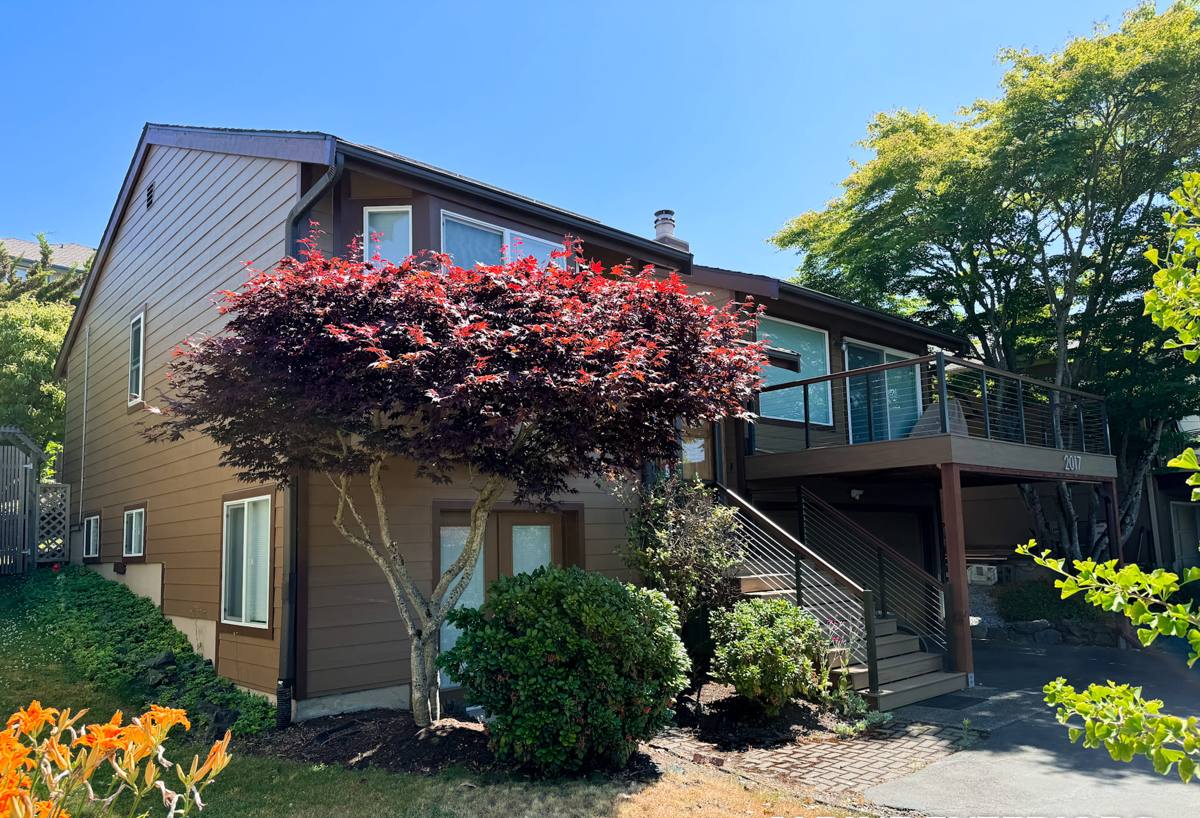
Homes in the California Creek area sit close enough to the water and the tree line that they take on a specific kind of weather stress most inland Whatcom County properties never see. Salt-laden air off the Strait moves through the neighborhood on a regular basis, wind-driven rain comes in sideways during winter storms, and a long, damp moss season keeps north-facing walls and window sills wet for weeks at a time. Windows here don't fail because the glass wears out. They fail because of what happens around the glass — at the flashing, the sealant lines, and the frame corners — when installation cuts corners that don't show up as a problem until year three or four.
Window installation for this part of Blaine isn't a different product than what we'd use anywhere else in Whatcom County. It's the same products installed with a different level of attention to water management, because the margin for error here is smaller.
What Salt Air, Rain, and Moss Actually Do to a Window
Salt Air and Metal Components
Salt air accelerates corrosion on any exposed metal — window hardware, screen frames, and especially lower-grade fasteners or flashing. Over years, this can pit hinges and locks and, worse, corrode flashing at seams where it's least visible until water starts tracking behind the siding.
Wind-Driven Rain
California Creek's exposure means rain doesn't just fall on windows, it gets pushed into them horizontally during a storm. A window opening that's properly flashed and sealed handles this without issue. One with a gap in the weather-resistive barrier, a missed sealant bead, or flashing installed in the wrong order will let water in — sometimes slowly, over months, before it shows up as a stain on an interior wall or sill.
Moss and Sustained Moisture
Whatcom County's moss season isn't just a roof problem. Moss and algae growth on north- and west-facing exterior walls keeps wood trim and sill areas damp longer than sun-exposed sides of the house. Wood window components in these locations are more prone to rot if they aren't properly primed, sealed, and detailed to shed water instead of holding it.
What a Correct Window Installation Involves
The window itself is only part of the job. What separates a window that performs for 20+ years from one that causes problems in 3 is almost entirely in the details around the opening:
- Proper rough opening prep — checking for square, level, and existing damage before the new window ever goes in
- Correct flashing sequence — sill pan flashing installed first, side flashing lapped over it, and header flashing lapped over the sides, so water is always directed outward and down, never trapped
- Integration with the house wrap or weather-resistive barrier — flashing has to tie into the existing wall system correctly, not just get caulked over top of it
- Backer rod and sealant at the right joints — not every gap should be filled solid with caulk; some need to allow drainage and airflow
- Shimming and fastening per manufacturer spec — over- or under-shimming can distort the frame and cause seals to fail early
- Interior air sealing — a separate step from exterior weatherproofing, and one that's often skipped
Any one of these steps done wrong won't necessarily cause a visible problem on install day. It shows up later, which is exactly why a lot of homeowners don't connect a leak they're seeing now with an installation that happened years ago.
Choosing Window Materials for a Coastal, Mossy Climate
Every major frame material can work in the California Creek area. The right choice depends on how much maintenance a homeowner wants to take on and how exposed the specific wall is.
| Frame Material | Salt Air / Coastal Performance | Maintenance | Notes for This Area |
|---|---|---|---|
| Vinyl | Good — won't corrode or rust | Low | Solid default choice for most exposures; verify weatherstripping quality on lower-end lines |
| Fiberglass | Very good — dimensionally stable in temperature and moisture swings | Low | Holds paint well if color-matching trim; strong option for wind-exposed walls |
| Wood (unclad) | Fair — needs consistent upkeep to prevent moisture damage | High | Best reserved for protected elevations, not moss-prone north/west walls |
| Wood-Clad (aluminum or vinyl exterior) | Good — exterior face resists weather while interior keeps wood look | Moderate | Popular where homeowners want a wood interior look without full wood maintenance |
| Aluminum | Fair — prone to condensation and corrosion near salt air unless thermally broken | Moderate | We generally steer clients toward vinyl or fiberglass for this area's exposure |
We're not going to tell a homeowner a given brand or material is "bad." What we will say honestly: on wind- and salt-exposed walls, we lean toward vinyl or fiberglass because they hold up with the least maintenance, and we reserve unclad wood for more sheltered sides of a house where moss and standing moisture aren't a constant issue.
Our Installation Process
- On-site assessment — we look at existing window condition, wall exposure, and any signs of past water intrusion before quoting anything
- Removal and opening inspection — once the old window is out, we check the sheathing and framing underneath for hidden rot or damage, which is common on older homes in wetter parts of the neighborhood
- Repair as needed — any soft or damaged framing gets addressed before a new window goes in; installing a new window over a compromised opening just hides the problem
- Flashing and installation — sill pan, side, and header flashing installed in the correct water-shedding sequence, window set and shimmed to level
- Sealing, interior and exterior — exterior weatherproofing paired with interior air sealing as separate, deliberate steps
- Trim and finish work — exterior trim detailed to shed water away from the frame, not channel it toward joints
- Final walkthrough — operation check on every window, and a plain explanation of what was done and why
Signs Your Current Windows Were Installed Wrong
A lot of the window work we do in this part of Blaine is correcting problems from a previous installation, not just replacing old glass. Common warning signs worth checking for:
- Staining or discoloration on the interior wall below or beside a window
- Soft or spongy trim when pressed, especially on north-facing walls
- Visible gaps in exterior caulk lines, particularly at corners
- Condensation building up between the glass panes (a sign of failed seals, not just humidity)
- A noticeable draft near the frame during a windstorm
- Difficulty opening or closing that developed gradually over a year or two
None of these automatically mean a full replacement is needed — sometimes it's a repair or re-sealing job. But they're worth having looked at before the next wet season rather than after.
What Affects the Cost of a Window Installation
| Factor | Why It Matters |
|---|---|
| Number of openings | More windows means more labor and material, but often a better per-window rate |
| Frame material chosen | Vinyl, fiberglass, and wood-clad carry different material costs |
| Existing wall condition | Hidden rot or damage found during removal adds repair time before installation can proceed |
| Window size and configuration | Larger units, bays, or custom shapes require more precise flashing and framing work |
| Wall exposure | Higher-exposure walls facing prevailing wind and rain may warrant upgraded flashing details |
| Access and site conditions | Second-story or hard-to-reach openings take more time to work safely |
We give a straight number after seeing the actual opening, not a guess over the phone. Hidden damage behind an old window is common enough in this area that we always build in an inspection step before finalizing a quote.
Why It Matters to Hire a Crew That Knows California Creek
A window installer who mostly works drier, more sheltered parts of Whatcom County can still do competent work — but they may not default to the flashing details and material choices that make sense for a wall taking direct wind-driven rain off the water, or a north side that stays damp through moss season. We work in the Blaine area regularly enough to know which walls in this kind of neighborhood need the extra attention and which don't, and we build that judgment into every quote rather than treating every opening the same.
If you're dealing with an aging window, a past installation that's starting to show problems, or you're just planning ahead of the wet season, we're happy to take a look and talk through what your home actually needs — no pressure, no upsell. Reach out for a free estimate and we'll walk the property with you.