 Blaine Exterior
 Siding Repair for Peace Arch Homes: A Different Set of Problems Than Most of Whatcom County
Homes near the Peace Arch, tucked right up against the border and a few minutes from Semiahmoo Bay and Drayton Harbor, take a different kind of beating than houses further inland in Whatcom County. It's not just rain, though there's plenty of that. It's the combination of salt-laden air coming off the water, wind-driven rain that hits siding sideways instead of straight down, and a moss season that can run eight or nine months out of the year in shaded, north-facing exposures. Any one of those on its own is manageable. Together, they shorten the life of poorly installed or poorly maintained siding faster than most homeowners expect.
We work on homes in this area regularly, and the repair calls we get here have a pattern to them. Understanding that pattern is the difference between a repair that actually holds and one that fails again in a year or two.
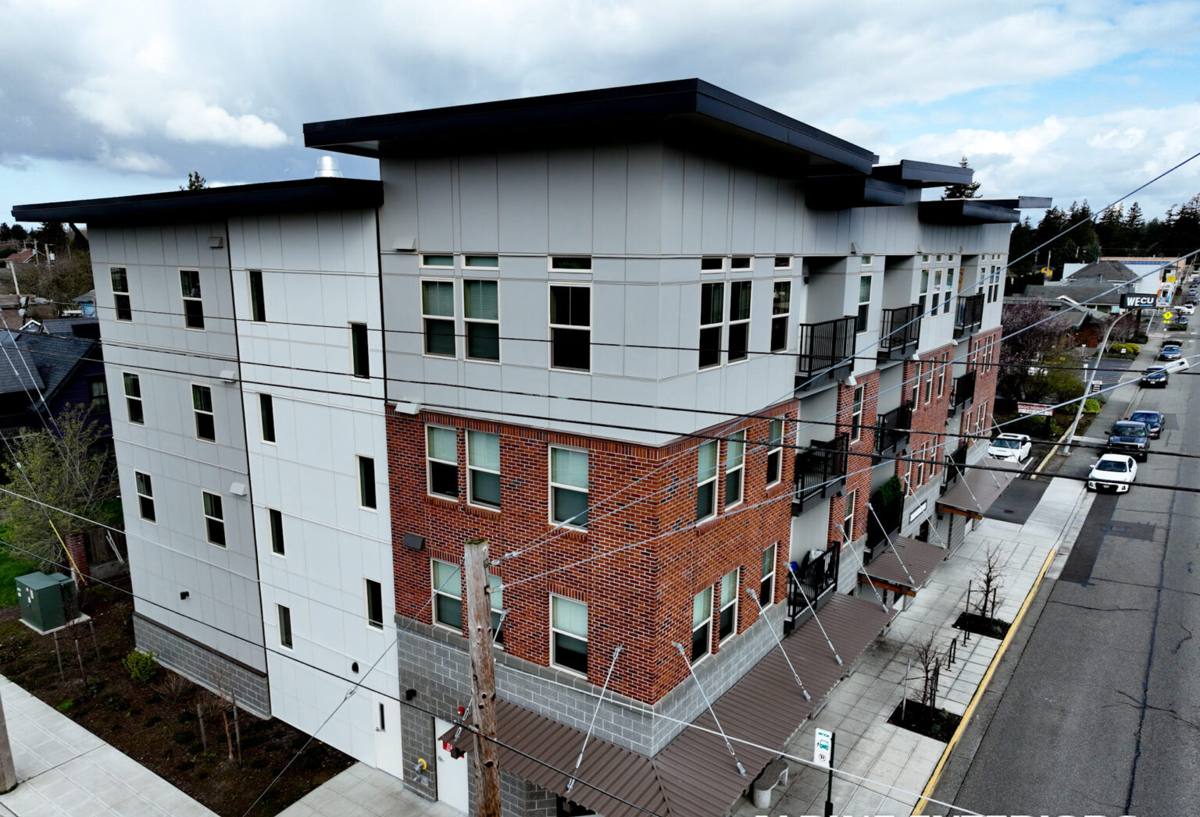
What Salt Air, Driving Rain, and Moss Actually Do to Siding
Salt Air
Airborne salt from the bay doesn't just sit on the surface of your siding — it works into fastener heads, trim joints, and any spot where the factory finish has been compromised by a nail gun set too deep or a cut edge left unsealed. Over years, that accelerates corrosion in exposed fasteners and can undermine caulking and paint film faster than it would a few miles inland.
Driving Rain
Wind off the Strait doesn't let rain fall straight down — it pushes it sideways into wall assemblies, which puts real pressure on butt joints, corner boards, and anywhere siding meets a window, door, or roofline. If those transitions weren't flashed and caulked correctly the first time, this is where water finds its way behind the siding, and that's when small cosmetic issues turn into rot.
Moss Season
Shaded exposures — north walls, areas under mature trees, spots that stay damp longer after a storm — grow moss and algae for most of the year here. Moss holds moisture directly against the siding surface far longer than open air would, and on softer or improperly sealed materials, that sustained moisture is what eventually causes swelling, delamination, or soft spots.
Signs a Peace Arch Home Needs Siding Repair, Not Just a Wash
Homeowners often assume discoloration or a rough patch means the whole wall needs replacing, or the opposite — that a good pressure wash will fix it. Neither is usually true. Here's what we actually look for during an inspection:
- Soft or spongy spots when you press on the siding, especially near the bottom courses or below windows
- Visible gaps at butt joints, corner boards, or trim where caulking has cracked or pulled away
- Persistent moss or algae growth that comes back within weeks of cleaning
- Bubbling, peeling, or chalky paint film concentrated on one side of the house (usually the side facing prevailing wind and rain)
- Streaking or staining below fastener heads, which often points to corrosion or a moisture path behind the panel
- Warped, cupped, or separated boards, particularly on older wood or engineered wood siding
- Musty smell or visible interior staining on an exterior wall, which usually means the problem is further along than the exterior suggests
Any one of these can be a localized repair. Several of them clustered in one area, or showing up on multiple walls, usually means it's worth a closer look before deciding on repair versus replacement.
What an Actual Repair Involves — Not Just a Patch
Find the Cause Before Touching a Board
A repair that just replaces the damaged piece without figuring out why it failed is a repair that fails again. Before we cut anything out, we're checking the flashing above the damaged section, the condition of the house wrap or building paper behind it, and whether the damage is isolated or has spread along a seam. In this area, driving rain means we pay particular attention to how water was — or wasn't — directed away from joints and penetrations in the first place.
Match the Material and the Finish
Patching in a mismatched board is one of the most common corner-cutting mistakes we see from past repairs. On factory-finished fiber cement siding, matching color, texture, and reveal correctly matters as much as the structural fix — a patch that's visibly a different shade looks worse than the damage did.
Seal It So It Doesn't Happen Again
Given how much wind-driven rain this area sees, every repair gets re-flashed and re-sealed at the joint level, not just cosmetically caulked over. That's the step that determines whether a repair lasts five years or fifteen.
Repair or Replace? How We Make That Call
Not every siding problem in Peace Arch means a full re-side, and not every "small" issue should be patched and left alone. The honest answer depends on how far the damage has spread and what's underneath it.
| Situation | Usually a Repair | Usually Points to Replacement |
|---|---|---|
| Damage location | Isolated to one board, joint, or small section | Spread across multiple walls or full elevations |
| Underlying sheathing | Dry, solid when probed | Soft, spongy, or visibly rotted |
| Cause of damage | One-time event (impact, isolated flashing failure) | Systemic issue (original install error repeated house-wide) |
| Material condition elsewhere | Sound, finish intact on rest of house | Widespread cracking, warping, or failed finish |
| Age of existing siding | Newer or mid-life, isolated failure | At or past expected service life for the material |
We'll tell you honestly which category your home falls into. If a repair will hold, we recommend a repair — there's no reason to sell a full re-side when a section fix solves the actual problem.
Why James Hardie Makes Repairs More Straightforward — and Why We Only Install It
We install James Hardie fiber cement siding exclusively, and one reason is directly relevant to repair work: Hardie's factory-applied ColorPlus finish is engineered to be color-matched and touched up in a way that softer materials or field-painted products often can't replicate cleanly. Because it's non-combustible fiber cement, it doesn't absorb and hold moisture the way engineered wood or untreated wood products can, which matters enormously in a moss-season climate like this one — moss and algae sitting against the siding surface for months at a time is far less likely to cause the kind of soft, swollen damage we see on wood-based products.
That's not a knock on every alternative product across the board — different materials have different strengths. But for homes dealing with salt air, driving rain, and long wet seasons all at once, we've made non-combustible fiber cement our standard because it holds up to that combination better over the long run, and because Hardie's HZ5 product line is specifically engineered for harsher, wetter climate zones like the Pacific Northwest. When we repair Hardie siding, we're also repairing a system with a strong transferable warranty behind it — which matters if you sell the home before the siding's service life is up.
Our Siding Repair Process in Peace Arch
1. On-Site Inspection
We walk the exterior, probe suspect areas, and check flashing and trim details at doors, windows, and roof-to-wall transitions — the spots driving rain hits hardest.
2. Moisture and Cause Assessment
Before quoting anything, we determine whether the damage is cosmetic, structural, or a sign of a moisture path that needs to be corrected, not just covered.
3. A Clear, Honest Repair Plan
You get a straightforward explanation of what's damaged, why, and what fixing it correctly involves — including if we think replacement makes more sense than repair.
4. The Repair Itself
Damaged sections are removed, the substrate is checked and corrected if needed, flashing is restored or upgraded, and new material is installed and sealed to match the surrounding siding.
5. Cleanup and Walkthrough
We clear debris and walk the finished repair with you so you know exactly what was done and why.
Why a Crew That Already Works Peace Arch Matters
Siding repair isn't just carpentry — it's diagnosing how a specific house, in a specific spot, has been affected by the weather it actually gets. A crew that regularly works homes near the border and along the water already understands how far wind-driven rain travels up a wall on an exposed elevation, which north-facing walls in this pocket of Whatcom County hold moss longest, and how salt exposure tends to show up first at fasteners and trim joints rather than flat panel faces. That local pattern recognition means fewer surprises once we open up a wall section, and a repair plan built around what actually happens to siding here — not a generic checklist.
Maintaining Repaired Siding Through Moss Season
A correctly done repair still needs basic upkeep to get its full life out of it, especially in an area with this much sustained moisture:
- Keep gutters and downspouts clear so water isn't overflowing directly onto siding below
- Trim back vegetation that's shading walls and keeping them damp longer than they'd otherwise stay
- Rinse moss and algae growth gently before it becomes established, rather than waiting for a heavy buildup
- Have caulking at joints and trim checked periodically — it's the first line of defense against wind-driven rain
- Address small issues (a loose board, a cracked caulk line) promptly rather than letting them sit through another wet season
If you're seeing soft spots, persistent moss, gapping trim, or staining on a Peace Arch-area home, we're happy to take a look and give you a straightforward assessment — repair or replace, whichever actually fits what we find. Reach out for a free, no-pressure estimate using the form below.