 Blaine Exterior
 Roofing in Nooksack Has Its Own Set of Problems
Nooksack sits inland from the water but still deals with the same weather pattern that defines roofing work across Whatcom County: long stretches of driving rain from fall through spring, humid air that never fully dries out, and a moss season that can run eight months or more depending on how shaded a property is. Add in the salt-laden air that moves inland off the Strait of Georgia and Birch Bay, and a roof out here is working harder than most homeowners realize. It's not one dramatic weather event that wears a roof down — it's the slow, steady combination of moisture, organic growth, and salt exposure, year after year.
A new roof installation in this area isn't just about picking a shingle color. It's about building an assembly — decking, underlayment, flashing, ventilation, and the final roofing material — that's specifically suited to holding up under those conditions for the long haul. That's the lens we bring to every new roof we install in the Nooksack area.
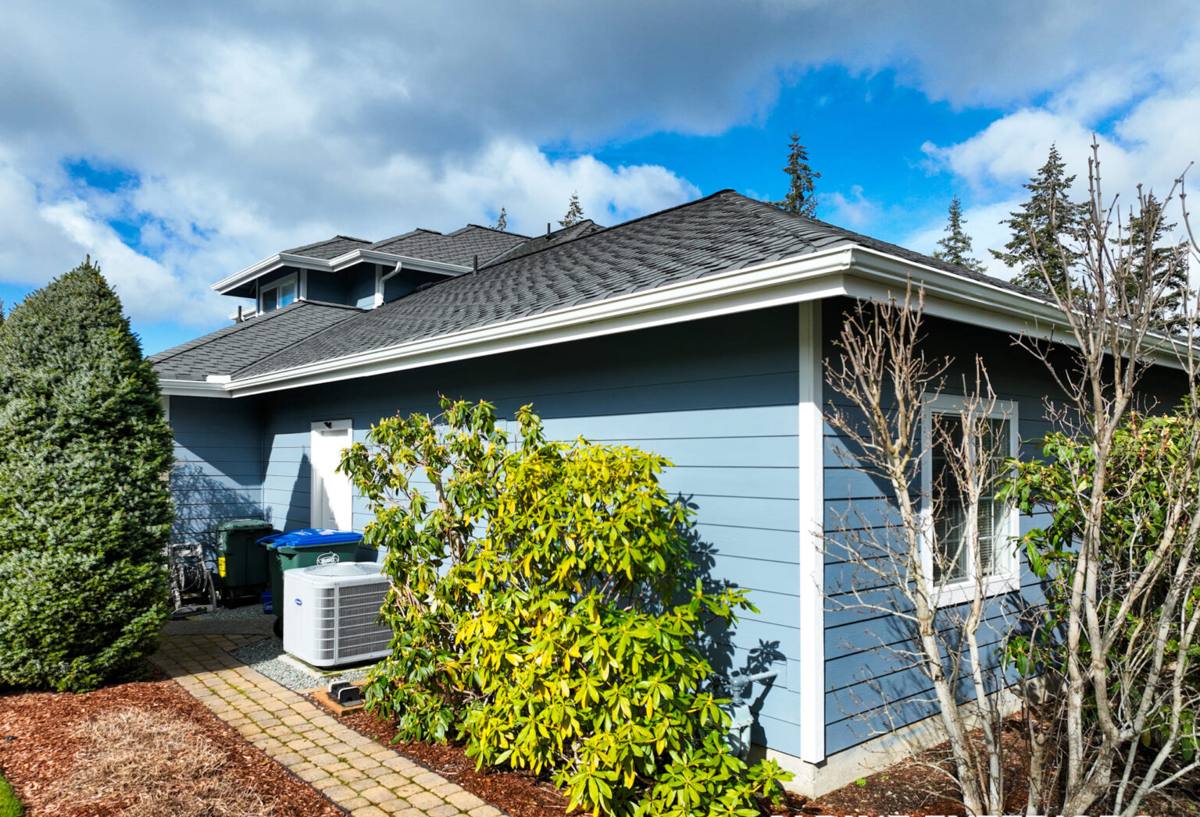
Signs a Nooksack Home Actually Needs a New Roof
Not every roofing problem calls for full replacement, but there are situations where repair is just delaying the inevitable and costing more in the long run. Homeowners in this area should take a closer look when they notice:
- Granules collecting in gutters or at downspout outlets, a sign the shingle surface is wearing thin
- Moss or algae streaking that keeps coming back within months of cleaning
- Curling, cupping, or cracked shingles, especially on south- and west-facing slopes
- Soft spots in the decking felt underfoot during an inspection
- Daylight visible through the attic roof boards, or water stains on interior ceilings
- A roof that's 20+ years old with original flashing that's never been replaced
In a climate like ours, a roof that looks "mostly fine" from the ground can still have compromised decking or saturated underlayment underneath. That's why we recommend an actual inspection rather than guessing off curb appeal.
What a Correct Roof Installation Actually Involves
It Starts With What You Can't See
The shingles or metal panels get the attention, but the layers underneath are what determine whether a roof lasts 15 years or 30+ in this climate. A correct installation means:
- Full tear-off to bare decking — no roofing over an existing layer, which traps moisture and hides deck damage
- Inspection and replacement of any soft, delaminated, or water-damaged decking before anything new goes down
- Ice-and-water shield or equivalent self-adhering membrane at eaves, valleys, and around every penetration — areas where wind-driven rain most often finds a way in
- Synthetic underlayment across the full field for a secondary water barrier
- New flashing at all walls, chimneys, skylights, and roof-to-wall transitions — reused old flashing is one of the most common causes of early leaks
- Proper intake and exhaust ventilation sized to the attic, not just whatever vents were already there
Why Ventilation Deserves Its Own Conversation
Ventilation is where a lot of new roofs quietly fail years later, and it's especially important in a humid, low-sun climate like Whatcom County's. Without balanced intake at the eaves and exhaust at the ridge, attics trap warm, moist air. That moisture condenses on the underside of the decking, feeds rot from the inside, and shortens the life of the roofing material from below — even while the shingles up top look fine. A roof can be installed perfectly and still underperform if the attic underneath it can't breathe correctly.
Roofing Material Options for a Nooksack-Area Home
There's no single "best" roofing material — the right choice depends on the home's roof pitch, budget, how long the owner plans to stay, and how much upkeep they want to deal with. Here's how the common options stack up for this climate specifically:
| Material | Moss & Moisture Resistance | Typical Lifespan Here | Maintenance Needs |
|---|---|---|---|
| Architectural asphalt shingle | Good with proper ventilation; algae-resistant granules recommended | 20–30 years | Periodic moss treatment, gutter clearing |
| Standing seam metal | Excellent — sheds moisture fast, little surface for moss to grip | 40–50+ years | Low; occasional fastener/sealant check |
| Composite/synthetic shingle | Good; resists rot by design | 30–40 years | Low to moderate |
| Cedar shake | Requires diligent upkeep in a wet, mossy climate | Varies widely with maintenance | High — regular treatment and inspection |
For most homes in the Nooksack area, we steer people toward architectural asphalt with algae-resistant granules or standing seam metal. Cedar shake can look great, but honestly, in a climate that stays damp for most of the year, it demands a level of ongoing maintenance most homeowners don't want to sign up for — that's a maintenance-burden trade-off worth knowing about up front, not a knock on the material itself.
How Our Installation Process Works
- On-site inspection and estimate — we walk the roof, check the attic, and look at gutters, fascia, and flashing before quoting anything.
- Material selection — we go over the honest trade-offs between options based on your roof's pitch, sun exposure, and budget.
- Scheduling around weather — in this region, timing a tear-off around dry windows matters; we plan for it rather than leaving decking exposed and hoping.
- Full tear-off and decking inspection — old material comes off completely so we can see the actual condition of the deck underneath.
- Underlayment, flashing, and ventilation installed correctly — this is the part that determines how the roof performs in year 10, not just year one.
- New roofing material installed to manufacturer spec — proper nailing pattern, exposure, and sealing, not shortcuts that void warranties.
- Final walkthrough and cleanup — magnetic sweep for debris, gutter check, and a walk-through so you know exactly what was done.
Salt Air, Driving Rain, and Moss: Building for All Three at Once
Most roofing guidance treats climate as a single factor. Out here, a new roof has to hold up against three separate stresses at the same time. Salt-laden air accelerates corrosion on exposed metal — fasteners, flashing, and drip edge — which is why we spec corrosion-resistant fasteners and flashing rather than whatever's cheapest. Driving rain, especially in wind-driven storms off the water, tests every seam, valley, and penetration; this is why ice-and-water membrane in those areas isn't optional in our book, it's baseline. And moss doesn't just sit on the surface looking bad — as it grows, its root structure lifts shingle edges and holds moisture against the roofing material, which shortens its life. Algae-resistant shingles, adequate roof slope drainage, and keeping surrounding trees trimmed back all play a role in slowing moss return after installation.
Cost Factors for a New Roof in the Nooksack Area
Every roof is different, so a real number only comes from an on-site look. But the main variables that move the price are consistent:
| Factor | Why It Matters |
|---|---|
| Roof size and number of stories | More square footage and steeper access mean more material and labor |
| Roof pitch and complexity | Multiple valleys, dormers, and roof lines take more time and flashing detail |
| Decking condition | Rotted or soft plywood/board decking found during tear-off adds material and labor |
| Material choice | Asphalt, metal, and composite all carry different material and install costs |
| Ventilation upgrades needed | Older homes often need added intake or exhaust venting to meet current standards |
We'd rather walk your roof and give you a real number based on what we actually find than throw out a broad estimate that doesn't match your home. Hidden decking damage is the most common reason a quote changes once tear-off begins, and we always show you what we find before moving forward with repairs.
What to Look for When Hiring a Roofing Crew Out Here
Plenty of contractors will quote a roof. Fewer of them actually work this specific climate regularly, and it shows in the details — how they flash a valley, whether they upsize ventilation, whether they even mention moss and salt exposure unprompted. Before hiring anyone for a new roof installation in the Nooksack area, it's worth checking:
- Current Washington state contractor license and liability insurance
- A written estimate that breaks down tear-off, decking, underlayment, flashing, ventilation, and material separately
- Manufacturer certification for the shingle or metal system being installed, if warranty coverage matters to you
- Willingness to inspect the attic, not just the roof surface, before quoting
- A clear answer on how they handle wind-driven rain areas — valleys, eaves, and penetrations
- References or completed work you can actually verify, not just a sales pitch
A crew that already works Whatcom County roofs regularly isn't guessing at how to handle our rain and moss — they're building for it as a matter of course, not treating it as a special request.
Why Local Experience Actually Matters Here
A roof detailed for a dry inland climate and a roof detailed for the Whatcom County coast are not the same job, even if the shingle brand on the wrapper is identical. The difference shows up in flashing choices, fastener material, ventilation sizing, and how much attention gets paid to moss-prone north-facing slopes. Contractors who work this area regularly make those calls automatically, because they've seen what happens when they're skipped. That local familiarity is worth as much as the material itself.
If your roof in the Nooksack area is showing its age, or you just want a straight answer on whether repair or replacement makes more sense, we're glad to take a look. Reach out for a free, no-pressure estimate using the form below — we'll walk the roof, answer your questions honestly, and give you a real number to work with.