 Blaine Exterior
 Deck Replacement Built for Everson's Nooksack Valley Climate
Everson sits inland along the Nooksack River, in the flatter agricultural stretch of Whatcom County east of Lynden and short of the foothills. It doesn't take the direct salt spray that towns right on Semiahmoo Bay or Drayton Harbor deal with, but it shares the same underlying weather pattern that wears down exterior structures across this part of the county: driving rain that comes in sideways more often than straight down, marine air that still reaches this far inland on a wet system, and a moss season that stretches across most of the year on shaded, low-lying ground. A deck sitting low near grade in a river valley gets a different kind of moisture exposure than one built on a hillside lot, and that difference matters when a deck starts showing its age.
This page is specifically about deck replacement in Everson: how to tell a deck is actually done rather than just due for a repair, what a correct tear-off-and-rebuild job involves, how code requirements have changed since a lot of older Everson decks went up, and how our process runs from first look to final walkthrough.
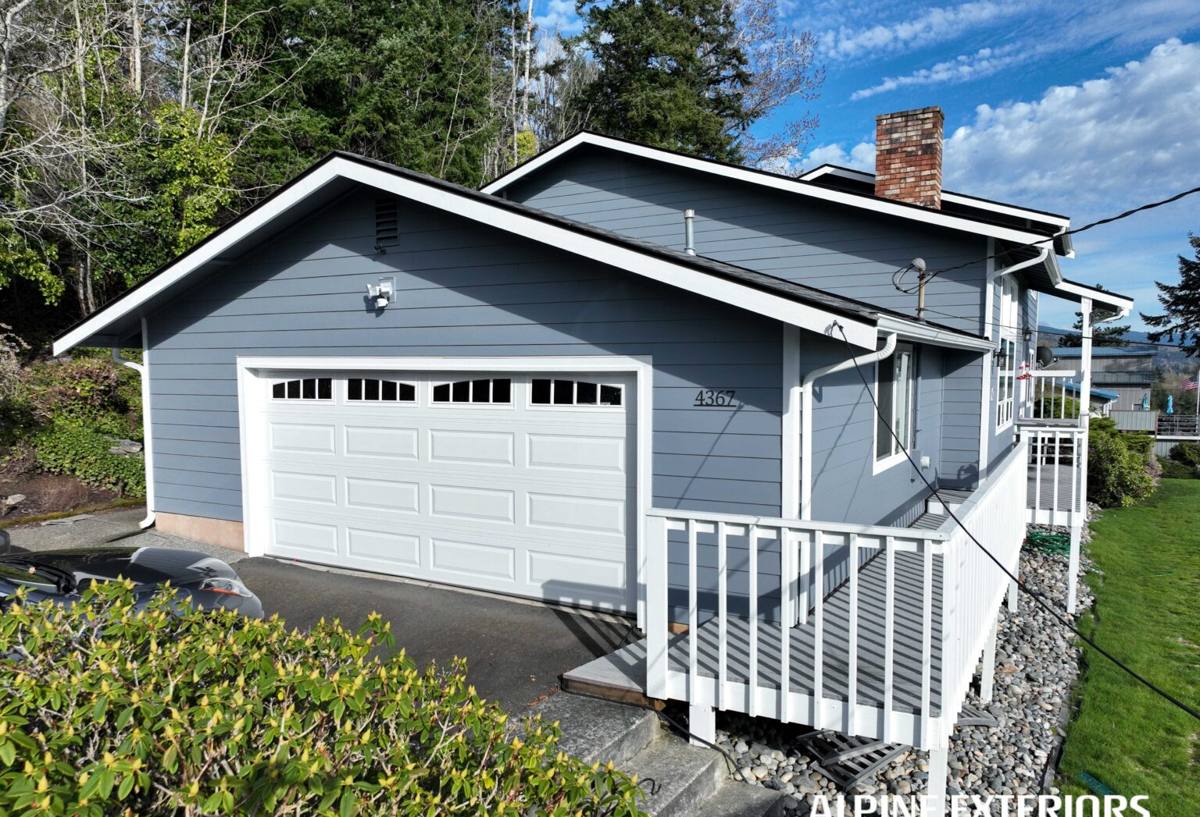
Signs Your Everson Deck Has Reached the End of Its Life
Structural Failure at the Frame and Posts
A deck's structure is what fails first in this climate, usually well before the surface boards look bad enough to worry a homeowner. Soft or spongy spots in the decking itself often mean the joists underneath have already started to rot, not just the board on top. Posts that sit in or near ground contact are especially vulnerable in a river-valley setting where the soil holds moisture longer after a wet season than it would on better-drained, elevated ground. If a post feels soft near its base, or a deck has developed a noticeable sag or bounce it didn't have a few years ago, that's a structural issue, not a cosmetic one.
Ledger Board and Attachment Problems
The ledger board, where the deck ties into the house, is one of the most common failure points on an aging deck anywhere in this climate. Older decks were often built without the flashing details that current practice requires at that connection, which means wind-driven rain has had years to work its way behind the ledger and into the house's band joist. Staining, soft trim, or a slightly separated gap between the deck and the siding at that connection point are signs the ledger tie-in has been letting water in for a while, and that's not something a surface repair fixes.
Outdated Railings and Stairs
A lot of decks in this area were built decades ago under older code requirements, and railings are usually the first thing to show it. Loose or wobbly railing posts, wide baluster spacing that wouldn't meet current guard requirements, or stair stringers that have started to pull away from the frame are common on a deck that's simply reached the end of what its original construction was built to handle.
What Everson's Setting Adds to the Wear
Low Ground and River Valley Moisture
Because Everson sits in the Nooksack River's flatter valley floor rather than on a slope, ground moisture around a deck's footings and posts tends to stick around longer after rain than it would on higher, better-drained ground. A deck built without enough clearance between the framing and the soil, or without ventilation underneath, ages faster here for exactly that reason.
Shade, Tree Cover, and a Long Moss Season
Between mature tree cover and the surrounding agricultural land, a lot of Everson properties have decks that sit at least partly shaded through the day. Shaded, north-facing deck surfaces are the first place moss and mildew take hold, and once organic growth sets in on a horizontal surface, it holds moisture against the boards far longer than an open, sun-exposed deck would experience. On an aging wood deck especially, that combination accelerates softening and rot in exactly the spots that are hardest to see from a casual look.
Driving Rain and Cold Snaps
Storms moving through this part of Whatcom County push rain sideways into railings, stair stringers, and any gap where water wasn't meant to collect, and Everson's inland position means it can also see colder winter snaps and harder frosts than towns right on the water. Moisture that's worked its way into aging wood and then freezes expands the damage further, which is part of why an older deck's structural problems often become obvious after a rough winter rather than gradually.
Repair or Full Replacement? How We Decide
Not every tired-looking deck needs a full rebuild, and we don't default to recommending replacement just because it's the bigger job. The call comes down to what's actually happening at the structural level, not how the surface looks.
| What We Check | Repair Usually Works | Replacement Is the Right Call |
|---|---|---|
| Decking surface | Isolated boards worn, cracked, or splintering | Widespread soft spots or rot across most of the surface |
| Framing and joists | Framing is sound; only surface boards need swapping | Soft or rotted joists, or framing undersized for current code |
| Ledger connection | Flashing intact, no signs of water intrusion at the house | Staining, soft trim, or gaps showing water has gotten behind it |
| Posts and footings | Posts solid, footings adequate for the structure | Post rot near grade, or footings too shallow or undersized |
| Railings and stairs | Solid attachment, spacing reasonably close to current code | Loose posts, wide baluster gaps, or stringers pulling from the frame |
When the problems are limited to the surface and the structure underneath is sound, a repair or resurfacing can be the honest, cost-effective answer. When the framing, ledger connection, or footings are compromised, patching the surface just buys a little time on a structure that's already failing underneath, and we'll tell you that directly rather than sell a repair that won't hold.
What a Correct Deck Replacement Involves
A deck replacement is a full rebuild from the ground up, not a resurfacing job with new boards laid over old problems. Done correctly for an Everson property, it includes:
- Complete tear-off and haul-away of the old deck, including old footings or posts that aren't adequate for the new structure
- Inspection of the ledger area and house band joist once the old deck is off, since that's often where hidden moisture damage is finally visible
- New footings sized and set to current depth and bearing requirements, not just matched to whatever was there before
- Correct ledger flashing at the house connection, integrated with the existing siding rather than just caulked over
- Corrosion-resistant fasteners and hardware throughout, appropriate for a climate that sees sustained moisture most of the year
- Joist spacing and framing sized to the actual decking product's span rating and current code load requirements
- Grading and ventilation underneath the new deck so moisture doesn't sit against the framing between storms
- Railings, guards, and stairs built to current code, not copied from whatever the old deck had
Skipping any one of these on a replacement just recreates the same failure points that took the old deck down, on a faster timeline than most homeowners expect.
Bringing an Older Deck Up to Current Code
One thing worth understanding before a replacement starts: a rebuild has to meet current code, not the code the original deck was built under. Guard height, baluster spacing, stair rise and run, and footing depth requirements have all gotten more specific over the decades, and Whatcom County permitting for a deck rebuild will check against today's standard, not the standard the original structure may have met decades ago. That usually means railings end up a bit taller, baluster gaps a bit tighter, and footings set deeper than what's coming out. It's not us upselling a bigger job — it's what a legal, permitted rebuild requires, and it's also simply safer than matching an old design that's since been superseded for good reason.
How Our Replacement Process Works in Everson
We start with a site visit to look at the existing deck's actual condition: framing, ledger connection, footing depth and spacing, drainage and grade underneath, and how much shade and moisture exposure the site sees through the year. From there we talk through whether the new deck keeps the existing footprint or gets reconfigured, and what decking material fits the budget and how the space gets used.
We handle the Whatcom County permitting that a legal deck rebuild requires, since footing depth, guard height, and structural sizing all get reviewed as part of that process. Once permitted, the sequence is tear-off and disposal, then new footings and framing sized for the site's actual conditions, then decking, railings, and stairs. We finish with a walkthrough covering what the specific material you chose needs going forward — for most modern decking that's minimal, but it's not nothing in this climate.
Why It Matters That We Already Work Everson
A crew that mostly builds decks closer to the water can still put together a competent rebuild, but an Everson replacement has its own specific variables — river-valley ground moisture around footings and posts, a longer moss season on shaded, low-lying lots, and colder winter swings than towns right on the coast. Working this area regularly means we're not guessing at footing depth, drainage detailing, or which decking materials actually hold up to Everson's specific combination of valley moisture, shade, and driving rain. We've pulled enough failed decks apart in this part of the county to know exactly where the old ones went wrong, and we build the replacement so it doesn't repeat those same problems.
If your deck is showing soft spots, loose railings, or you're just not sure whether it needs a repair or a full rebuild, we're happy to take a look and give you a straight answer either way. Reach out below for a free, no-pressure estimate.