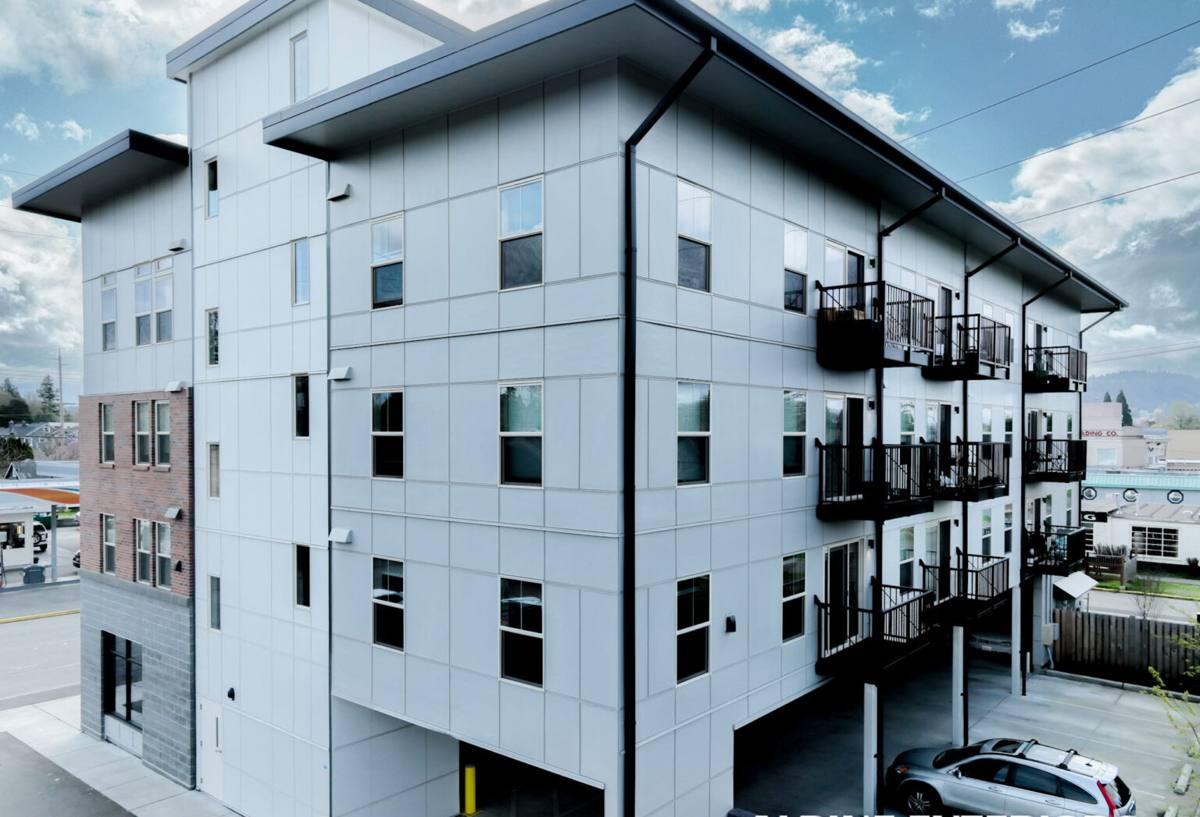
 Blaine Exterior
 Why Bellingham Homes Need Windows Built for This Coastline
Bellingham sits close enough to the Strait of Georgia and Bellingham Bay that salt-laden air is a constant factor in how exterior materials age, not an occasional nuisance. Add Whatcom County's long wet season, driving rain off Puget Sound storms, and the shaded, moss-prone conditions common in the area's tree-covered lots, and you get a climate that is genuinely harder on windows than most of the country experiences. Frames, seals, and hardware here don't fail because they were installed carelessly — they fail because they were never rated for this combination of moisture, salt, and cool, damp air that rarely dries out fully between storms.
We're a Blaine-based crew that works this corner of Whatcom County regularly, and Bellingham is part of our normal service area, not a special trip. That matters for custom window work specifically, because window performance is a system problem — frame material, glazing, flashing, and installation detail all have to work together for the specific exposure of the house. A crew that only sees this climate occasionally tends to install windows the way they would anywhere else. We don't.
What "Custom Windows" Actually Means for a Bellingham House
Custom doesn't necessarily mean expensive or unusual — it means the window is sized, configured, and specified to fit an opening and a wall assembly correctly, rather than forced into a stock size with shims and extra caulk. Most homes in this area, whether older Bellingham-adjacent construction or newer builds, have at least a few openings that don't match modern standard sizes. Bay windows, older wood-frame houses with settled openings, additions with slightly mismatched rough openings — these all call for windows built or modified to fit, not generic units jammed into place.
Common reasons homeowners here go custom
- Replacing an original wood window in an older home where the opening is a nonstandard size
- Upgrading a bay, bow, or picture window where sightlines and structural support matter
- Matching grille patterns, frame color, or sash style across a full house renovation
- Improving a west- or south-facing wall that takes the brunt of wind-driven rain
- Correcting a previous poor installation where the wrong size window was force-fit and caulked over
The Climate Factors That Should Drive the Window Spec
Wind-driven rain and water management
The Pacific Northwest's rain rarely falls straight down. Wind off the Strait pushes it sideways into wall assemblies, which means a window's water resistance rating and the quality of its flashing detail matter more here than in drier or calmer regions. A window can carry a strong energy rating and still leak if the flashing, sill pan, and weep system aren't installed to shed water actively rather than just resist it in a lab test.
Salt air and hardware corrosion
Coastal proximity accelerates corrosion on lower-grade hardware, fasteners, and some finishes. Locks, hinges, and balance mechanisms that would last decades inland can start sticking or corroding years early this close to salt water. We spec hardware and fasteners with that exposure in mind rather than assuming standard-grade parts will hold up.
Moss, mildew, and shaded exposure
Whatcom County's tree cover and long wet season keep a lot of exterior surfaces damp and shaded for extended stretches. That's ideal moss and mildew growth conditions on sills, trim, and any horizontal surface that doesn't drain well. Window and trim details need real slope and drainage, not just a flat sill that holds standing moisture through the winter.
Condensation from cool, humid air
Persistent humidity combined with cooler indoor-outdoor temperature swings makes condensation control a real design factor, not an afterthought. Frame material and glazing package both affect how much moisture collects on interior surfaces, especially in bedrooms and bathrooms.
Frame Material Comparison for This Climate
| Material | How it handles salt air & moisture | Maintenance | Typical trade-off |
|---|---|---|---|
| Vinyl | Good — won't corrode or rot, handles salt exposure well | Low — occasional cleaning | Fewer custom color options; can look plain on higher-end homes |
| Fiberglass | Very good — dimensionally stable, resists moisture and salt corrosion | Low | Higher upfront cost than vinyl |
| Wood (clad or unclad) | Traditional look but vulnerable without diligent upkeep in this moisture load | High — repainting, sealing, moss and mildew checks | Best appearance for historic homes; requires real commitment to maintenance |
| Aluminum | Conducts cold and can corrode near salt air without proper coatings | Moderate | We generally steer homeowners away from bare aluminum this close to the water unless it's a specific architectural need |
We don't push one material on every job. A historic Bellingham-area home might genuinely call for a wood or clad-wood window to keep its character, and we'll say so — but we'll also be upfront that it means a real maintenance schedule, not a "install and forget" product. For most standard replacements in this climate, vinyl or fiberglass gives homeowners the best combination of water and salt resistance with the least upkeep.
What a Correct Custom Window Installation Involves
The window unit itself is maybe half the job. The other half is the installation detail that determines whether it actually performs in this climate for the next 20-plus years.
Before the old window comes out
- Measure the actual opening, not just the old window's nominal size — settled and older homes often have openings that are slightly out of square
- Check the surrounding wall for existing moisture damage or rot that needs addressing before a new window goes in
- Confirm the correct glazing package and frame material for that wall's sun and rain exposure
During installation
- Install a proper sloped sill pan so any water that gets past the window drains out, not into the wall
- Flash the opening in the correct shingle-lap sequence so water moving down the wall sheds over each layer
- Use fasteners and shims rated for the exposure, not whatever is fastest to install
- Seal and insulate the gap between frame and rough opening fully — gaps here are both an energy loss and a moisture entry point
- Set the window level, plumb, and square so sashes operate smoothly and weatherstripping seals evenly for years, not just on install day
After installation
- Test operation of every sash and lock before calling the job done
- Check exterior trim and caulk lines for full, even coverage
- Walk the homeowner through any maintenance the specific material requires
Signs Your Current Windows Are Losing the Fight Against This Climate
Homeowners in this area usually notice a handful of consistent warning signs before a window fully fails:
- Fogging or moisture between panes on double- or triple-glazed units, meaning the seal has failed
- Soft or discolored wood trim around the frame, often starting at the bottom sill first
- Visible moss or persistent green growth on sills or nearby trim that keeps coming back after cleaning
- Drafts or a cold zone near the window even when it's fully closed and locked
- Hardware that's stiff, corroded, or requires increasing force to lock — a common early sign of salt-air wear
- Paint or finish peeling specifically on the window side facing prevailing weather
Any one of these is worth a look. Several at once usually means the window and its installation detail are both due for replacement, not just a caulk touch-up.
Our Process for Bellingham Custom Window Jobs
Because we already work this area, we're not learning the climate on your house. Our process is straightforward:
- On-site assessment of the opening, existing window condition, wall assembly, and specific exposure (sun, wind, rain direction)
- Honest recommendation on frame material and glazing based on that exposure — not a one-size-fits-all pitch
- Accurate measurement and ordering, with lead times communicated upfront since custom units aren't stock inventory
- Removal of the old window with a check for any hidden moisture or rot in the opening before the new unit goes in
- Installation with proper flashing, sill pan, and sealing detail for this climate — not a generic install
- Final walkthrough covering operation, hardware, and any maintenance specific to the material chosen
Why Hiring a Crew That Already Works Bellingham Matters
Window installation looks similar everywhere on the surface — remove old unit, set new unit, seal it up. What differs is what a crew treats as optional. A contractor based somewhere drier or working this area rarely may skip the sloped sill pan, use standard-grade hardware, or not think twice about a shaded, moss-prone sill. None of that shows up as a problem on install day. It shows up two or three wet seasons later as a soft sill, a stuck lock, or water intrusion that's now inside the wall instead of outside it.
We're not asking homeowners to take that on faith — it's a reasonable thing to ask any contractor bidding a Bellingham or Blaine job: how do you flash this opening, what hardware grade are you using, and how does the sill drain. A crew that works Whatcom County regularly should have a clear, specific answer, not a generic one.
If you're weighing a window replacement or a custom fit for an older or nonstandard opening in the Bellingham area, we're happy to take a look and give you a straight assessment — no pressure, no upsell. Reach out for a free estimate using the form below.