 Blaine Exterior
 Window Replacement in Nooksack: Why the Local Climate Changes the Job
Homes in and around Nooksack deal with a specific combination of weather that most window manufacturers design for on paper but that plays out differently on the ground here in Whatcom County. Salt-tinged air off the nearby coastline, long stretches of driving rain, and a moss season that can run for months all put steady pressure on window frames, seals, and the wood trim around them. A window replacement done right in this area isn't just about swapping old glass for new — it's about choosing materials and installation details that actually hold up to what this specific climate does to a house year after year.
We've done this work on enough homes in the area to know that a window that performs fine in a drier inland climate can fail early here if it's installed without attention to drainage, flashing, and material choice. This page walks through what that means in practice, what a correct job looks like, and how we handle window replacement for Nooksack homeowners from first estimate to final walkthrough.
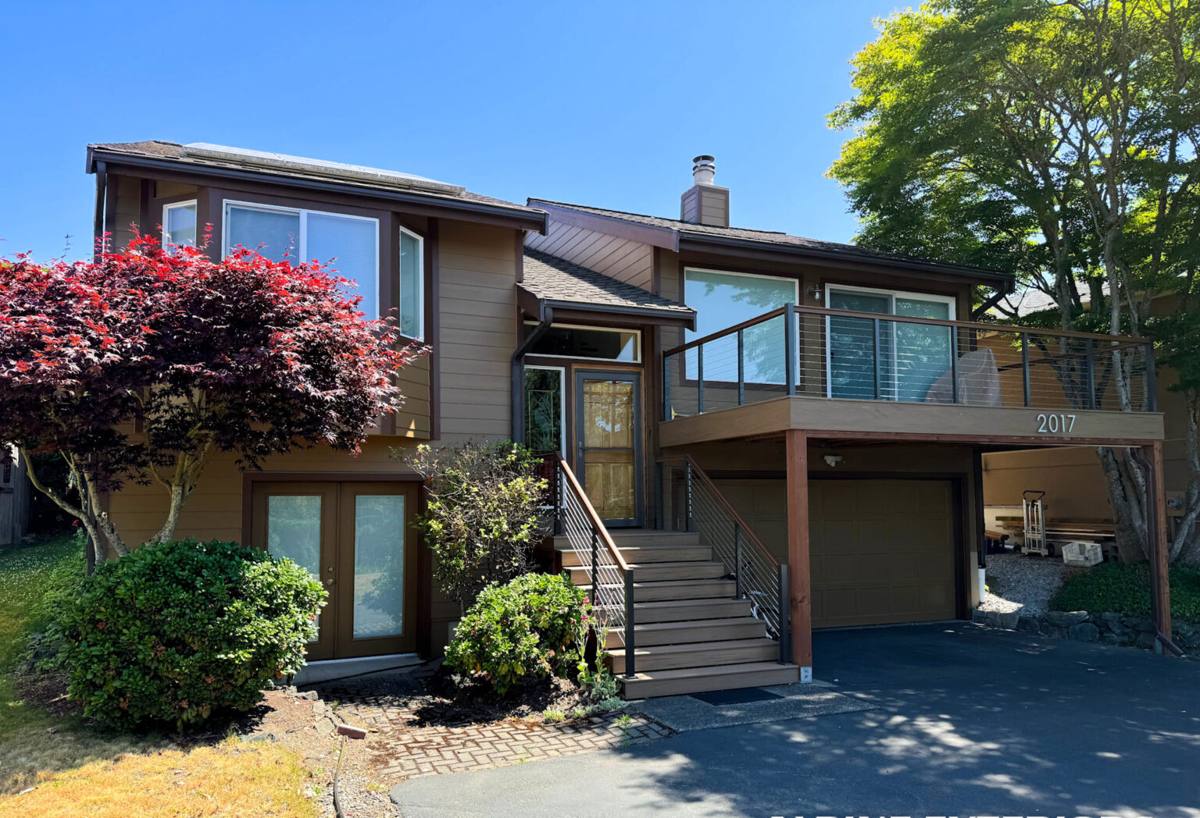
How Whatcom County Weather Wears Down Old Windows
It helps to understand exactly what's happening to a window over the years before deciding whether to repair or replace it.
Salt Air and Metal Fatigue
Salt-laden air corrodes aluminum window frames, hardware, and fasteners faster than it would further inland. Older aluminum-frame windows in particular tend to show pitting, oxidation, and stiff or seized hardware well before the glass itself fails. Once corrosion sets into hinges, cranks, or locking mechanisms, the window stops sealing properly even if it still looks intact from a distance.
Driving Rain and Wind-Driven Moisture
This region gets rain that doesn't just fall straight down — wind pushes it sideways into wall assemblies, and older window installations weren't always flashed to handle that. Over time, wind-driven rain finds its way past worn weatherstripping and undersized or missing flashing, leading to soft framing, staining on interior sills, and hidden rot inside the wall cavity long before it's visible on the surface.
Moss, Shade, and Sustained Dampness
A long moss season means extended periods where wood trim, sills, and the areas around windows simply don't get to dry out fully between rain events. Moss and algae hold moisture against wood surfaces, which accelerates rot in exterior trim and can compromise the seal around a window frame from the outside in, even when the interior looks fine.
Signs It's Time to Replace, Not Repair
Not every window problem means a full replacement. But there's a point where patching stops making sense — where the cost of chasing repairs exceeds the value of just doing it right once. Watch for:
- Fogging or a permanent haze between panes (a failed seal on double- or triple-pane glass — this cannot be repaired, only replaced)
- Soft or spongy wood at the sill or bottom corners of the frame
- Windows that won't stay open, won't latch, or have visibly warped frames
- Visible daylight or a noticeable draft around the frame when closed
- Persistent moss or dark staining on the exterior trim directly around the window
- A noticeable jump in heating costs with no other explanation
If you're only seeing one or two of these on a handful of windows, targeted repair or resealing might still make sense. Widespread issues across most of the house, especially combined with visible rot, usually mean it's time to talk about replacement.
What a Correct Replacement Actually Involves
Window replacement looks simple from the outside — old window out, new window in — but the parts that actually determine whether the job lasts happen in the details most homeowners never see.
Tear-Out and Inspection
Once the old window is out, we inspect the rough opening and surrounding framing before anything new goes in. This is the point where hidden rot or moisture damage from years of driving rain shows up. If the framing is compromised, it needs to be addressed now — installing a new window into a damaged opening just repeats the same failure on a faster timeline.
Flashing and Water Management
This is the single most important part of the job for a climate like ours. Proper flashing directs water that gets past the exterior siding back out and away from the framing, rather than letting it pool or wick into the wall. Skipping or shortcutting flashing is the most common reason a window installation fails early in a wet, wind-driven climate — and it's also the step that's easiest to do poorly if a crew is moving too fast.
Sealing and Insulation
Around the perimeter of the new window, the gap between the frame and the rough opening needs to be properly insulated and sealed — not overfilled with expanding foam, which can bow the frame, and not left with gaps that let air and moisture in. Interior and exterior sealant beads need to be continuous, with no breaks where wind-driven rain can find a way through.
Picking the Right Frame Material for This Climate
There's no single "best" window material for every home — it depends on your budget, your home's style, and how much maintenance you're willing to keep up with. Here's how the common options actually perform in a salt-air, high-moisture environment:
| Frame Material | Moisture & Salt Air Resistance | Maintenance | Typical Lifespan |
|---|---|---|---|
| Vinyl | Very good — won't corrode or rot | Low; occasional cleaning | 20-30 years |
| Fiberglass | Excellent — stable in wide temperature and moisture swings | Low | 30-40+ years |
| Wood (unclad) | Poor to fair without diligent upkeep | High — regular painting/sealing needed | Varies widely with maintenance |
| Wood-clad (vinyl or aluminum exterior) | Good — exterior shell protects the wood core | Moderate | 25-35 years |
| Aluminum | Poor in salt air — prone to corrosion and pitting over time | Moderate | Shorter in coastal/salt-air conditions |
For most Nooksack-area homes, we steer people toward vinyl or fiberglass frames precisely because they don't give salt air and moisture a foothold. If you want the look of natural wood on the interior, a wood-clad option can be the right compromise — you get real wood on the inside where it's protected, with a weather-resistant shell facing the outside.
Glass matters too. Double-pane windows with a Low-E coating and argon gas fill are the standard baseline for this climate; triple-pane adds another layer of insulation and sound dampening but comes at a higher cost and added weight, which is worth discussing based on which direction your windows face and how exposed they are to wind.
Our Process, Start to Finish
Estimate and Assessment
We walk the exterior and interior of each window being considered, checking framing condition, current flashing, and any signs of moisture intrusion — not just measuring glass. You get an honest read on what's actually needed versus what can wait.
Ordering and Prep
Windows are ordered to the exact measurements of your openings. We protect landscaping and interior finishes before work begins and stage materials so the openings aren't left exposed to weather longer than necessary.
Installation Day
Each opening is inspected as the old window comes out, flashed and sealed properly, and the new window is set, shimmed level and square, and insulated around the perimeter before trim goes back on. We don't rush flashing details to hit a faster install time — that step is what determines whether the window is still performing well in ten years.
Final Walkthrough
We test every window for smooth operation and a proper seal, clean up the work area, and walk through the finished job with you before calling it done.
Why Hire a Crew That Already Works in Nooksack
Window replacement done by a crew unfamiliar with this specific climate often looks fine for the first year or two, then starts showing problems — usually around flashing and sealing details that matter more here than in drier regions. A crew that regularly works Whatcom County homes already knows which frame materials hold up, how local siding types interact with new window flashing, and what moisture problems tend to show up in older homes near the coast versus further inland.
That familiarity also means a more accurate estimate the first time. We're not guessing at how driving rain and salt air will affect a given material choice — we've seen how it plays out on homes in this exact area, and we build that into our recommendations from the start.
Keeping New Windows Performing for the Long Haul
New windows are a real investment, and a few habits go a long way toward protecting it in this climate:
- Rinse exterior frames periodically to clear salt residue, especially after storms
- Keep gutters and downspouts clear so water isn't sheeting down past window heads
- Trim back vegetation and clear moss from trim and sills before it takes hold
- Check exterior caulk lines once a year and touch up any cracking or gaps
- Operate every window a few times each season so hardware doesn't seize
- Address any soft trim or staining around a window promptly rather than waiting
A little routine attention catches small issues before they turn into the kind of hidden rot that's expensive to fix later.
What Affects the Cost
Window replacement pricing varies based on frame material, glass package, window size and style, and how much work is needed at the rough opening if there's existing damage. As a general guide, straightforward vinyl replacements tend to sit at the lower end of the range, fiberglass and wood-clad options cost more upfront but often make sense given the payoff in durability, and any job that uncovers rotted framing will cost more simply because that framing has to be properly repaired before a new window goes in. We'll always walk you through what's driving the number on your specific home rather than giving a one-size-fits-all figure.
If you're weighing whether it's time to replace windows on a Nooksack-area home, we're happy to take a look and give you a straight answer — no pressure, no upsell. Fill out the form below for a free estimate and we'll get back to you with what we actually see and what we'd recommend.