 Blaine Exterior
 Siding Repair for Sumas-Area Homes
Homes in and around Sumas deal with the same demanding Whatcom County weather that wears on siding all over this corner of Washington: long stretches of driving rain, short cool summers that never really dry things out, and a moss and mildew season that can run eight months or more. Add in homes closer to Puget Sound air movement and salt-tinged wind, and you've got a climate that finds every weak point in a siding system — a nail popped too shallow, a butt joint that was never caulked, a corner trim board that's been absorbing water for years without anyone noticing until the paint starts bubbling.
Siding repair isn't a glamorous service, but it's one of the most important things a homeowner can do to protect the rest of the house. Siding is the first line of defense for the wall assembly behind it — the sheathing, the framing, the insulation. When siding fails quietly, water doesn't wait for you to notice.
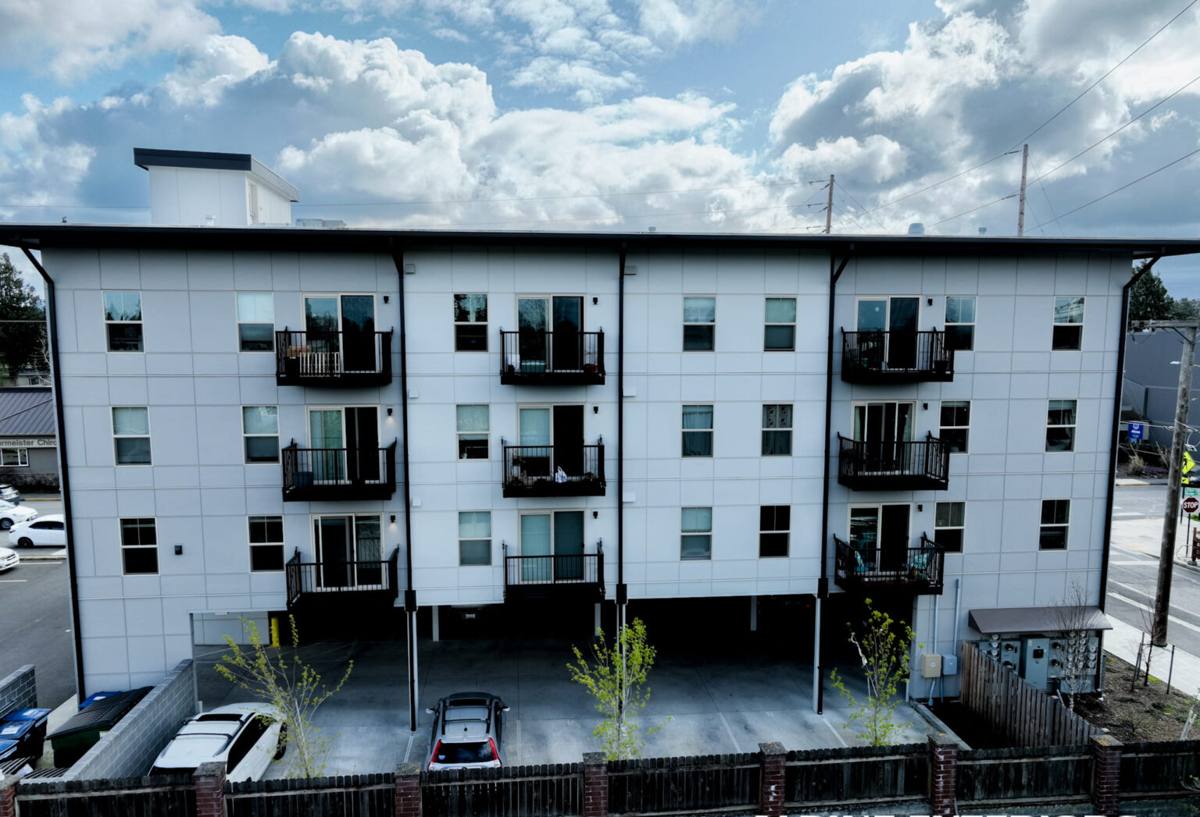
What Sumas-Area Siding Damage Usually Looks Like
We see a fairly consistent pattern of damage on repair calls in this part of Whatcom County. It's rarely one catastrophic event — it's usually slow, weather-driven wear that finally shows itself:
- Soft or swollen boards near the bottom courses, around downspouts, or under windows where runoff concentrates
- Cracked or split boards from age, impact, or freeze-thaw cycling on materials not built for this climate
- Moss and algae staining on north-facing and shaded walls that hold moisture longer
- Failed caulking at joints, corners, and trim — the single most common entry point for water we find
- Warped or bowed panels on lower-grade composite or vinyl products that were never rated for sustained wet exposure
- Paint failure — peeling, bubbling, or chalking that signals moisture is already moving through the material, not just sitting on top of it
Any one of these on its own might just need a patch. Several of them together, especially clustered in one area, usually means water has been getting behind the siding for a while and the damage goes deeper than what's visible.
Repair or Replace? How We Make the Call
Not every damaged section needs full replacement, and we're not going to tell you it does. A good repair, done right, can add years to siding that's otherwise sound. But repair only makes sense when the underlying wall assembly is dry and intact. Patching over hidden rot just delays a bigger, more expensive problem.
| Factor | Points Toward Repair | Points Toward Replacement |
|---|---|---|
| Extent of damage | Isolated to a few boards or one wall section | Spread across multiple walls or elevations |
| Sheathing condition | Dry, solid when probed | Soft, spongy, or visibly rotted |
| Age of existing siding | Under 15-20 years, otherwise in good shape | Near or past expected service life |
| Material type | James Hardie fiber cement, sound cedar | Failing composite board, delaminating vinyl |
| Cause of damage | Impact damage, one-time event | Chronic moisture intrusion, systemic flashing failure |
When we're on site, we're not just looking at the damaged board — we're checking moisture readings, probing the sheathing behind it, and looking at how water is actually moving across that wall. That's the only way to give you an honest repair-versus-replace answer instead of a guess.
What a Correct Siding Repair Actually Involves
A repair that only addresses what's visible from the ground is a repair that fails again. Doing it correctly means treating the cause, not just the symptom.
Diagnose Before You Touch Anything
Before pulling a single board, the damaged area gets opened up enough to see what's happening behind it. Is the house wrap intact? Is flashing present and lapped correctly at the joint? Is there a gap in the weather-resistive barrier that's been feeding water into the wall for years? Skipping this step is how a lot of repairs end up being redone within a couple of seasons.
Address the Water Path, Not Just the Board
If the damage traces back to missing kick-out flashing, a poorly sealed window trim, or a downspout dumping water straight onto a wall, replacing the siding without fixing that source just resets the clock on the same failure.
Match Material and Method Correctly
Replacement sections need to match the existing siding in profile, exposure, and fastening pattern — not just visually, but functionally, so the new section sheds water the same way the surrounding wall does. This matters even more with fiber cement, where proper fastener placement, joint treatment, and caulking are part of the manufacturer's warranty requirements.
Finish It Properly
Cut edges get sealed, joints get properly caulked (not painted over and called done), and touch-up paint or factory-finish color matching is handled so the repair doesn't stand out as a patch job for the next twenty years.
Repairing James Hardie vs. Other Siding Materials
We install James Hardie fiber cement exclusively as new siding, and we're upfront about why: it's non-combustible, engineered for wet climates like ours, holds its factory ColorPlus finish far longer than field-painted materials, and carries a strong transferable warranty when installed to spec. That standard shapes how we approach repairs, too — even on homes that don't have Hardie siding yet.
| Material | Repair Considerations |
|---|---|
| James Hardie fiber cement | Very stable in wet climates; repairs hold well when fastening and caulking follow spec; factory finish resists fading |
| Vinyl | Can crack in cold snaps and warp near heat sources; exact color/profile matches get harder to find as products age off the market |
| Cedar | Repairable but needs ongoing sealing/painting; rot risk is higher once the finish fails in a climate this wet |
| LP SmartSide / composite wood | Edge and seam swelling is common once water gets in; damaged sections often need wider replacement than the visible failure suggests |
If your existing siding is a material we don't install new, we'll still repair it honestly and tell you straight whether it's holding up or whether you're better off planning for a phased or full replacement to Hardie down the road.
Our Repair Process
- On-site inspection — we look at the damage, probe the sheathing, and check moisture levels behind the siding, not just what's visible
- Honest assessment — you get a clear repair-or-replace recommendation with the reasoning behind it, not a sales pitch
- Written estimate — scope, materials, and timeline spelled out before any work starts
- Source correction — flashing, sealant, or drainage issues causing the damage get fixed as part of the job, not left for next time
- Repair and finish — matched materials, proper fastening, sealed joints, and color-matched finish work
- Walkthrough — we show you what was found and what was done before we consider the job finished
Why Hire a Crew That Already Works This Area
Whatcom County's weather isn't uniform, and neither is how it treats a house. A wall that catches prevailing wind and rain behaves differently than a sheltered one two feet away. A crew that's already worked homes in and around Sumas has a feel for how local weather patterns actually load a wall assembly over time — where moss builds fastest, where wind-driven rain tends to find gaps, which details fail first on homes built in a given era in this area. That local pattern recognition is the difference between a repair that guesses and one that diagnoses.
It also means straight answers on timeline and access. Local crews aren't estimating drive time and scheduling around a distant home base — repair work gets scheduled and completed without the delays that come from a contractor who's unfamiliar with the area.
After the Repair: Keeping Siding in Good Shape
A good repair buys you time, but siding in this climate still needs periodic attention to get its full service life:
- Rinse siding annually to knock back moss, algae, and mildew buildup before it stains or holds moisture
- Keep gutters clear so runoff isn't sheeting down walls or overflowing onto siding below
- Trim back vegetation touching the house — it traps moisture against the wall and blocks airflow
- Re-caulk joints and trim as sealant ages, typically every several years depending on exposure
- Walk the exterior once or twice a year and look for the early signs covered above — catching it early is what keeps a repair small
If you're seeing damage on your siding, or you're just not sure whether what you're looking at is cosmetic or a sign of something worse, we're happy to take a look. We offer free, no-pressure estimates for homes in Sumas and throughout the Blaine service area — an honest assessment costs you nothing, and it's the fastest way to know what you're actually dealing with.