 Blaine Exterior
 Siding Repair Built for Everson's Climate
Everson sits inland along the Nooksack River corridor, away from the direct salt exposure homes closer to Blaine and the coastline deal with, but that doesn't mean the siding on an Everson home has it easy. What Everson gets instead is river-bottom humidity, long stretches of overcast damp weather, and a moss and algae season that can run eight months or more in shaded, north-facing spots. Combine that with the driving, wind-pushed rain common to Whatcom County storms, and siding here takes on moisture from more directions than most homeowners realize — not just from above, but sideways under eaves and up from grade level near foundation plantings and low drainage areas.
We do siding repair work throughout Whatcom County, and Everson jobs tend to have a distinct pattern: less salt corrosion on fasteners and trim, more sustained moisture exposure that finds its way into seams, butt joints, and anywhere caulking has aged out. A repair plan that ignores that pattern — and just patches the visible damage — tends to fail again within a couple of seasons.
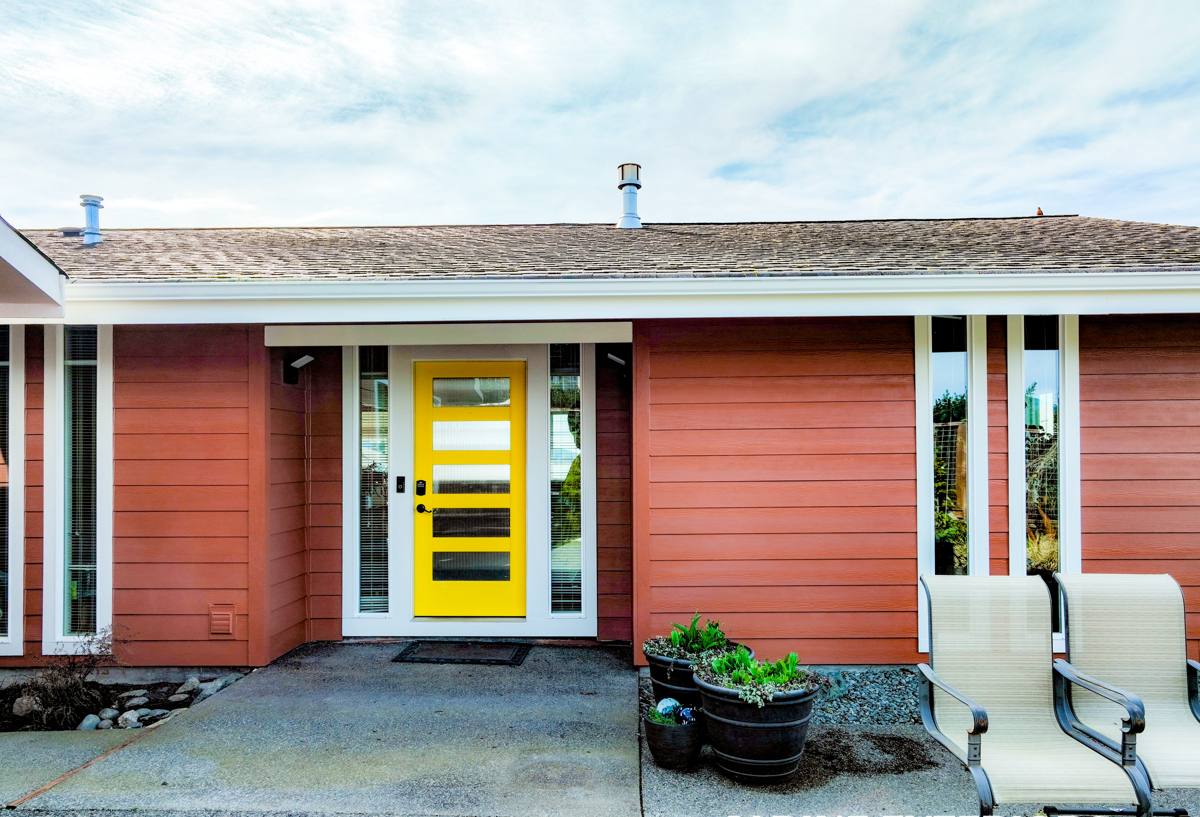
What Everson Homes Actually Need From a Repair
A correct siding repair isn't just about matching the color and covering the hole. It starts with understanding why that section failed in the first place. In Everson's climate, the most common root causes we find are:
- Moss and algae holding moisture against the surface — organic growth on north- and east-facing walls keeps siding damp long after a rain has passed, which accelerates rot in wood-based products and paint failure on painted siding.
- Failed caulking at joints and trim — caulk has a service life, and once it cracks or pulls away, water gets behind the siding where it can't easily dry out.
- Poor original flashing or drainage detailing — this shows up as staining or soft spots below windows, at deck ledgers, and where roof lines meet walls.
- Splash-back and grade issues — siding installed too close to soil or landscaping stays wet at the bottom edge and rots or delaminates from the ground up.
- Impact and settling damage — cracked panels or popped fasteners that let water in even if the damage looks minor from the ground.
A repair that only addresses the surface symptom without correcting the moisture path will show the same failure again, usually in the same spot, within a year or two.
Signs You're Looking at a Repair, Not a Full Replacement
Homeowners often assume any siding damage means a full re-side is coming. That's frequently not true. Localized repair makes sense when the damage is contained to specific panels or sections and the rest of the siding is sound. Warning signs that point to a bigger problem — and a conversation about replacement rather than repair — include soft or spongy siding across multiple walls, widespread paint failure, or rot that's traveled into the sheathing behind the siding.
Our Repair Process
1. Assessment and Moisture Check
We start by identifying every area of visible damage, then check adjacent sections and flashing points that commonly fail alongside it. We're looking for moisture intrusion, not just cosmetic damage — a panel can look fine from six feet away and still be compromised underneath.
2. Root Cause Diagnosis
Before we cut into anything, we determine why the failure happened. That might mean tracing a leak back to a window flashing detail, checking grade clearance, or confirming whether moss growth is a contributing factor. Skipping this step is how repairs turn into repeat service calls.
3. Removal and Substrate Inspection
Damaged siding comes off cleanly, and we inspect the sheathing and house wrap underneath. If there's rot or water damage to the structure itself, that gets addressed before any new siding goes back on — patching over compromised sheathing just hides a bigger problem.
4. Correct the Water Path
This is the step a lot of repair jobs skip. We correct flashing, re-seal joints properly, and address drainage or clearance issues so the same failure doesn't happen again in the same place.
5. Match and Install
We install repair sections to match the existing siding as closely as possible in profile and finish. On homes with James Hardie ColorPlus siding, this is straightforward since the factory finish is consistent and touch-up products are formulated to match. On homes with older or discontinued siding products, matching can be more limited — something we'll walk you through honestly before work starts.
Why the Siding Material Matters for Repairability
What your home is currently sided with affects both how it failed and how well it can be repaired. We install James Hardie fiber cement exclusively on new work and full re-sides, and we're upfront that the material underneath your current repair may not be Hardie. Here's how the common options behave differently in a climate like Everson's:
| Material | How It Handles Moisture | Repair Considerations |
|---|---|---|
| James Hardie fiber cement | Non-combustible, engineered to resist moisture-driven warping and rot; ColorPlus finish resists moss staining better than bare wood | Easy to match with factory-finish repair pieces; long product life reduces repeat repairs |
| Cedar or primed wood siding | Absorbs moisture readily; prone to rot and moss growth in shaded, damp areas | Repairs often reveal hidden rot beyond the visible damage; repainting needed to blend patches |
| Vinyl siding | Doesn't rot, but can warp, crack in cold snaps, or fade unevenly over time | Discontinued colors/profiles can make exact matches difficult after several years |
| LP SmartSide or similar engineered wood | Better moisture resistance than raw wood, but edge-swelling is a known failure point if caulking or paint isn't maintained | Repairs need careful edge-sealing to avoid the same swelling recurring |
We'll repair what's on your home today regardless of brand — that's a service call, not a sales pitch. But when a repair area is extensive enough that a broader conversation about the wall's future makes sense, we'll tell you plainly, and we'll explain why fiber cement is what we'd put back up.
Why We Only Install James Hardie
We made the decision years ago to stop installing vinyl, LP SmartSide, primed spruce, cedar, and other fiber cement brands on new work and full re-sides. It's not that those products don't have a place — vinyl is inexpensive, engineered wood has improved a lot, and cedar has an appeal all its own. But for the moisture load Whatcom County throws at a wall year-round, we wanted a product with a track record of holding up without constant maintenance intervention. James Hardie's fiber cement is non-combustible, holds its factory ColorPlus finish far longer than field-applied paint, and comes with a strong transferable warranty when installed to Hardie's specifications. That's what we stand behind, and it's what we recommend when a repair area on your home has grown large enough that replacement makes more sense than another patch.
Local Crew, Local Knowledge
A crew that works Everson and the surrounding Whatcom County communities regularly knows the failure patterns before they even get on a ladder — which walls take the worst of the moss, where drainage tends to be marginal on homes built during certain periods, and how the local rain patterns push water into places a drier climate wouldn't. That local pattern recognition speeds up diagnosis and keeps repair costs from ballooning into exploratory work.
What to Expect in Cost Ranges
Siding repair costs vary widely based on the extent of damage, whether structural repair is needed underneath, and how easily the existing siding can be matched. Small, contained repairs are a modest investment; repairs involving hidden rot, flashing corrections, or hard-to-match discontinued siding cost more. We'll give you a clear, itemized estimate before any work begins — no surprise change orders.
A Practical Checklist Before You Call
If you're not sure whether what you're looking at needs a repair call, walk your home's exterior and check for these:
- Soft or spongy spots when you press on siding, especially near the bottom edge or below windows
- Visible cracks, gaps, or missing caulk at joints and trim
- Persistent moss or dark staining that doesn't dry out between rains
- Peeling or bubbling paint concentrated in one area rather than spread evenly
- Interior signs like water staining on walls near exterior corners, which often traces back to a siding or flashing failure
If you're seeing any of these, it's worth getting it looked at before the next wet season adds to the damage.
If you're dealing with damaged, aging, or moisture-stressed siding on your Everson home, we're happy to take a look and give you a straightforward, no-pressure estimate — including an honest read on whether a targeted repair makes sense or whether it's time to talk about a longer-term fix.