 Blaine Exterior
 Board & Batten Siding for Nooksack-Area Homes
Homes in and around Nooksack sit close enough to the water and the foothills that they get a little of everything Whatcom County weather has to offer: salt-laden air moving in off Semiahmoo Bay and the Strait, long stretches of driving rain through the fall and winter, and a moss season that seems to start earlier every year and last longer. Board and batten siding has become a popular choice out here because of its clean, vertical-line look and the way it reads on farmhouse-style and modern builds alike — but the look only holds up if the material and the installation are matched to this specific climate. We install board and batten siding in the Nooksack area regularly, and this page covers what that actually takes.
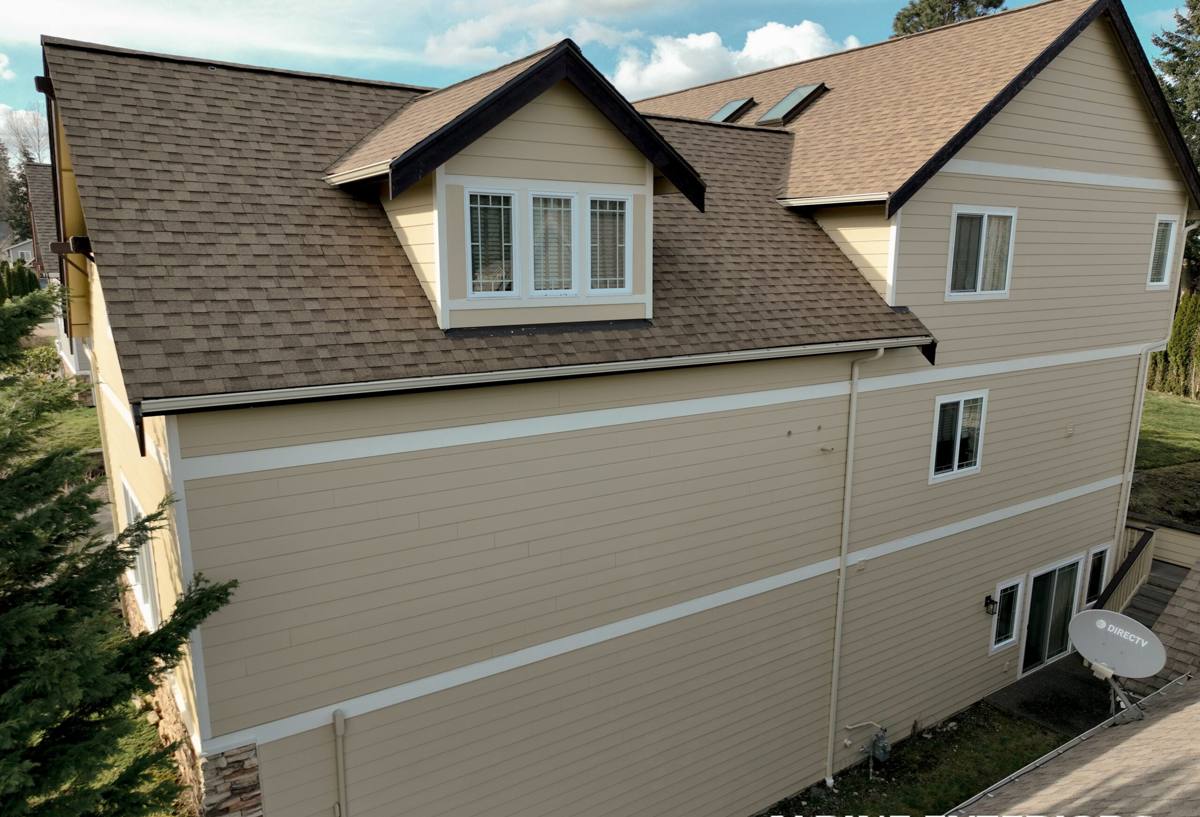
What Board and Batten Siding Is
Board and batten is a siding pattern, not a single product — wide flat boards (or panels) are installed vertically with narrower strips, or "battens," covering the seams between them. It's one of the oldest siding styles in the Pacific Northwest, originally done in solid wood on barns and early homesteads because it was fast to install and shed water reasonably well off a vertical run. Modern board and batten keeps the look but changes the material underneath it, and that material choice matters more in a wet, salt-exposed climate than most homeowners expect.
Why the Vertical Pattern Matters Here
Vertical siding patterns generally drain water faster than horizontal lap siding because there are fewer horizontal ledges for water to sit on. That's a real advantage in a climate with as much sustained rainfall as Whatcom County sees. But the seams between boards and battens are still the weak point — every seam is a place water can work its way behind the siding if it isn't flashed, fastened, and finished correctly. On a home a few miles inland from the water, a mediocre seam might last for years before it becomes a problem. In Nooksack's wind-driven rain and salt air, marginal work shows up faster.
Why We Only Install James Hardie for This Application
Board and batten is available in vinyl, engineered wood products like LP SmartSide, primed wood, cedar, and fiber cement. We install James Hardie fiber cement exclusively, and board and batten is actually one of the applications where that choice matters most, because the pattern puts more vertical seams and butt joints on a wall than a typical lap job.
The Trade-Offs of the Alternatives
- Vinyl board and batten: Inexpensive and low-maintenance in a mild climate, but it expands and contracts significantly with temperature swings, which stresses seams over time, and it can crack or become brittle with age and cold snaps. It also can't be painted a dark color without risking heat warping, which limits the farmhouse-black or charcoal looks a lot of Nooksack homeowners want.
- LP SmartSide and other engineered wood: A wood-strand product with a resin binder — it holds paint well and machines easily, but it's still a wood-based product, and any breach at a seam, fastener, or cut edge lets moisture into the substrate. In a climate with this much sustained rain, that's a maintenance obligation we're not willing to take on as installers.
- Cedar and primed wood: Beautiful, and traditional for this style, but real wood board and batten needs ongoing refinishing, is a food source for the moss and algae that thrive in this climate, and is genuinely combustible in a way fiber cement isn't.
James Hardie board and batten is fiber cement — sand, cement, and cellulose fiber — which doesn't expand and contract the way vinyl or wood does, isn't a food source for moss or mildew, and holds a factory-applied ColorPlus finish far longer than field-applied paint on wood or engineered products. Hardie's HZ5 product line is engineered specifically for climates like ours, with moisture and freeze-thaw performance built into the formulation rather than relying entirely on field caulking and paint to keep water out.
What a Correct Board and Batten Job Involves
Board and batten siding fails in the same handful of predictable ways when it's rushed or under-detailed, and almost all of them are behind-the-wall problems that don't show up until years later.
The Details That Actually Matter
- Weather-resistant barrier and rainscreen gap: A properly lapped house wrap behind the siding, with a drainage gap so any water that does get behind the boards can drain and dry instead of sitting against the sheathing.
- Flashing at every horizontal transition: Windows, doors, roof-to-wall intersections, and any horizontal trim need flashing that directs water out, not into the wall assembly.
- Correct fastening pattern: Hardie specifies fastener type, spacing, and placement for board and batten assemblies — over-driven or under-spaced nails are one of the most common causes of premature siding failure we see on re-inspections.
- Proper board and batten overlap and gap: Battens need enough overlap on the field boards to shed water, with the right expansion gap so the assembly can move seasonally without cracking caulk joints.
- Sealed and primed cut edges: Every field-cut edge of fiber cement needs to be sealed per manufacturer spec before installation — an unsealed cut edge is a moisture entry point that undermines the rest of a correct install.
What Nooksack's Climate Does to Siding Over Time
Three things drive most of the siding problems we see on homes in this part of Whatcom County:
Salt Air
Proximity to the water means airborne salt settles on exterior surfaces and accelerates corrosion of fasteners, trim, and any metal flashing that isn't rated for coastal exposure. This is why fastener spec and flashing material matter as much as the siding itself.
Driving, Wind-Blown Rain
Rain here doesn't just fall straight down — wind off the water pushes it sideways into wall assemblies, especially on gable ends and upper stories. Vertical siding patterns handle this better than horizontal lap, but only if the seams and flashing details are done to spec.
Moss and Algae Season
Shade, moisture, and mild temperatures give moss and algae a long growing window on north-facing and tree-shaded walls. Fiber cement doesn't feed moss growth the way wood does, but any siding still needs airflow and periodic cleaning to keep growth from taking hold in seams and behind trim.
Our Process on Nooksack-Area Homes
The work is the same whether the job is a full re-side or an accent wall, but the order matters:
- On-site assessment: We look at the existing wall assembly, moisture history, window and roof-to-wall transitions, and sun/shade exposure before we quote anything.
- Tear-off and sheathing check: Old siding comes off and we inspect sheathing for rot or damage before anything new goes up — this is where hidden moisture problems get found and fixed, not covered over.
- House wrap and flashing: New weather-resistant barrier, properly lapped, with flashing installed at every window, door, and horizontal transition.
- Board and batten installation: Hardie panels and battens installed to manufacturer fastening and gap specs, with all cut edges sealed.
- Final detailing: Trim, caulking at appropriate joints only (not as a substitute for flashing), and a factory ColorPlus finish that doesn't require field painting.
Cost Factors to Expect
| Factor | Why It Affects Cost |
|---|---|
| Wall complexity | More corners, windows, and roof transitions mean more flashing and cut detail work |
| Existing wall condition | Sheathing repair or rot remediation found during tear-off adds scope |
| Board and batten vs. lap | Vertical patterns generally take more labor time per square foot than horizontal lap |
| Accent vs. full re-side | A single accent wall costs far less than siding an entire home |
| Color and trim selection | Custom ColorPlus colors and trim profiles can shift material cost |
We don't publish flat per-square-foot pricing because wall condition and complexity swing the number too much to be useful — every quote comes from an actual on-site look at the home.
Maintenance Once It's Installed
- Rinse the exterior once or twice a year to keep salt residue and organic buildup from settling into seams and trim.
- Keep gutters and downspouts clear so water isn't overflowing onto siding runs below.
- Trim back vegetation and tree cover where practical to reduce shade and moisture retention on north-facing walls.
- Inspect caulking at trim and penetration points annually — Hardie's ColorPlus finish holds up well, but sealant joints are still a wear item over decades.
- Address any impact damage or fastener issues promptly rather than letting a small breach sit through a wet winter.
Why a Crew That Already Works This Area Matters
Board and batten siding done right depends on details that are easy to shortcut and hard to spot after the fact — house wrap laps, flashing sequencing, fastener spec, cut-edge sealing. A crew that already works Blaine and Nooksack-area homes knows what this climate does to a wall assembly that's missing one of those steps, because we've opened up walls on homes where it happened. That's a different starting point than a crew installing board and batten for the first time in a coastal, high-rainfall climate.
If you're considering board and batten siding for a home in the Nooksack area, we're glad to come take a look and give you a straightforward, no-pressure estimate — no invented urgency, just an honest read on what your home's walls actually need.