 Blaine Exterior
 Windows Built for Sandy Point's Waterfront Exposure
Sandy Point sits right on the water at the edge of Whatcom County, and that location is exactly what makes window installation here different from a job five miles inland. Homes on Sandy Point take salt-laden air off the Strait of Georgia almost year-round, get hit with wind-driven rain that doesn't behave like a normal vertical rainstorm, and spend a good chunk of the year under the kind of damp, low-sun conditions that keep moss and algae growing on anything that stays wet. Windows here don't fail because the glass wears out. They fail because water finds a way in around the frame, or because hardware and finishes corrode faster than they would somewhere sheltered.
We're a Blaine-based crew that works Sandy Point regularly, not a company passing through. That matters more for window installation than almost any other exterior trade, because the difference between a window that lasts 25 years on this stretch of coastline and one that starts leaking in five often comes down to details a general contractor from outside the area wouldn't think to prioritize.
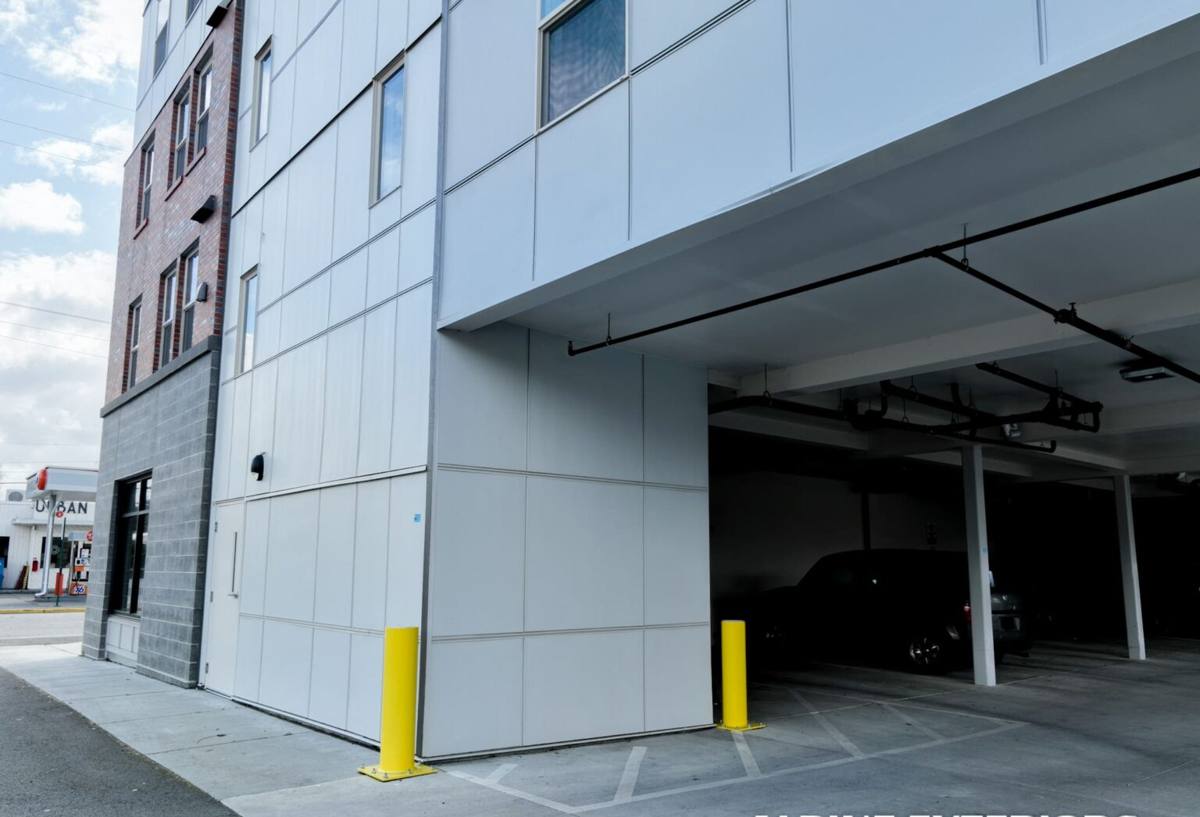
What the Local Climate Actually Does to Windows
Salt Air and Corrosion
Airborne salt accelerates corrosion on anything metal — window hardware, screen frames, and especially lower-grade fasteners. Over time this shows up as pitted or seized cranks and locks, discoloration on aluminum-clad frames, and fasteners that back out or snap when you try to remove them for a repair. It's a slow process, but it's constant, and it's specific to waterfront properties like Sandy Point in a way that doesn't apply to most of Blaine's inland neighborhoods.
Driving Rain
Wind off the water doesn't just drop rain straight down — it pushes it sideways into wall assemblies and window openings under real pressure. A window that would stay dry in a calm rain can still take on water at Sandy Point if the flashing, sill pan, and sealant weren't installed to handle wind-driven moisture specifically. This is the single biggest cause of the rot and interior water stains we get called out for on waterfront homes.
Moss and Sustained Dampness
Whatcom County's moss season runs long, and on shaded or north-facing walls near the water, surfaces can stay damp for weeks at a stretch. Moss and algae growth on trim and siding around a window opening holds moisture against the wood, which is a slow but reliable way to rot a frame from the outside in — even when the window itself is functioning fine.
What a Correct Window Installation Involves Here
None of this is exotic. It's standard building science applied with the discipline that a marine exposure demands. The steps that matter most for Sandy Point homes:
- Full removal of the old window and inspection of the rough opening framing for hidden rot before anything new goes in
- A properly sloped sill pan so any water that does get past the window drains back outside instead of pooling
- Correct flashing sequence — water-resistive barrier, then flashing tape, then window, then head flashing — installed shingle-style so water always sheds outward and down
- Marine-grade or corrosion-resistant fasteners and hardware, not standard interior-grade hardware
- Sealant rated for exterior, UV, and salt exposure at all penetration points, applied per manufacturer spec rather than just caulked over gaps
- Insulation packed correctly around the frame — not overpacked, which can bow the frame, and not left with gaps, which creates cold spots and condensation risk
- Interior and exterior trim sealed and finished before the job is called complete
Skip any one of these steps and the window can still look fine on install day. The problems show up eighteen months to five years later, usually as a soft spot in the sill or a stain creeping down the interior wall — right when it's expensive and disruptive to fix.
Picking the Right Window for a Waterfront Property
| Frame Material | How It Handles Salt Air & Moisture | Our Take |
|---|---|---|
| Vinyl | Doesn't corrode; UV-stable options hold up well to salt exposure | Solid, cost-effective choice for most Sandy Point homes |
| Fiberglass | Excellent dimensional stability, resists moisture and salt corrosion | Best long-term option where budget allows, especially on the most exposed walls |
| Aluminum-clad wood | Attractive, but cladding seams and exposed wood interior are more sensitive to moisture intrusion if installation isn't precise | We'll install it if that's the look you want, but we're upfront that it demands tighter installation tolerances and more long-term maintenance on a waterfront lot |
| Bare wood | Highest maintenance burden in salt air and driving rain; finish needs regular upkeep | We generally steer waterfront clients away from this unless they're committed to the maintenance schedule |
There's no single "right" answer for every home — it depends on your budget, how exposed the specific wall is, and how much upkeep you want to take on. We'll walk through the trade-offs for your house specifically rather than pushing one product line.
Glass Packages Worth Considering
Low-E coatings and argon-filled double- or triple-pane units are standard on most quality window lines now and make sense for Sandy Point's exposure — they help with both energy performance and condensation resistance on cold, damp days. Impact-rated or laminated glass is worth discussing if a window faces open water directly and takes the brunt of storm-driven debris, though it's not a requirement for every opening on every home.
New Construction vs. Retrofit Windows
On a lot like Sandy Point, this decision matters more than it might elsewhere. A full-frame (new construction) install removes the old frame down to the rough opening, which lets us fully inspect and correct any hidden water damage and reflash the opening from scratch — the more thorough option when a home has had any history of leaks or is older construction. An insert (retrofit) window fits inside the existing frame and is faster and less invasive, but it only makes sense when the existing frame and flashing are confirmed to be sound. Given how much driving rain this location sees, we don't recommend a retrofit without actually opening things up to check first.
Our Process for Sandy Point Jobs
- On-site assessment: We look at each window opening individually — sun/wind exposure varies wall to wall even on one house — and check for existing rot or past water intrusion.
- Honest scope and estimate: You get a clear breakdown of what's being replaced, what frame and glass options fit your budget, and what full-frame vs. retrofit means for your specific openings.
- Removal and inspection: Old windows come out, and we inspect the framing before anything new goes in. If we find rot, we tell you before we cover it back up, not after.
- Proper flashing and installation: Sill pans, flashing sequence, corrosion-resistant hardware, and correctly rated sealant — done to the standard this exposure requires, not the minimum a warranty technically allows.
- Finish and walkthrough: Interior and exterior trim finished, hardware tested, and a walkthrough so you know how to operate and maintain the new windows.
Why a Crew That Already Works Sandy Point Matters
A contractor unfamiliar with waterfront installations can do competent work in a typical inland Blaine or Whatcom County subdivision and still get it wrong here — not from lack of skill, but from not accounting for wind-driven rain and salt exposure in the flashing and hardware choices. We work this specific stretch of coastline regularly, which means we already know what kind of moisture and wear pattern to expect on a Sandy Point home, and we build the installation around that from the start rather than learning it the hard way on your house.
Simple Maintenance That Extends Window Life Here
- Rinse salt film off frames and glass a few times a year, especially after storms
- Check and lightly lubricate hardware (locks, cranks, hinges) annually since salt air accelerates wear
- Clear moss and debris from trim and sills before it holds moisture against the wood
- Inspect exterior caulking and sealant yearly and recaulk before gaps open up, not after a leak appears
- Watch for soft spots or discoloration on interior sills — an early sign of water getting past the seal
None of this is a large time commitment, but it's the kind of upkeep that's easy to skip and expensive to ignore on a waterfront property.
Get a Straight Answer on Your Windows
If you're dealing with drafty, foggy, or hard-to-operate windows at Sandy Point, or you're just planning ahead before the next wet season, we're happy to come take a look. We'll give you a free, no-pressure estimate and an honest read on what your home actually needs — you can request one using the form below.