 Blaine Exterior
 Why Roofs in the Nooksack Area Wear Out the Way They Do
Homes around Nooksack sit in one of the more punishing roofing climates in Washington, even though the damage rarely looks dramatic day to day. It's not one big storm that takes a roof out here — it's the slow, steady combination of salt-laden air moving in off the Salish Sea, driving rain that gets pushed sideways into laps and flashing, and a moss season that runs far longer than most homeowners realize. Put those three together year after year and you get roofs that fail from the inside out: granule loss under a layer of moss, soft decking under shingles that still look okay from the ground, and fastener corrosion nobody sees until a leak shows up on the ceiling below.
Whatcom County's mild, wet weather is good for a lot of things. It is not good for asphalt shingles that were rated for a drier climate, or for a roof that was installed without enough attention to ventilation and underlayment. A roof replacement done right for this area has to account for all of that from the first day of tear-off, not just meet the minimum code requirements and call it done.
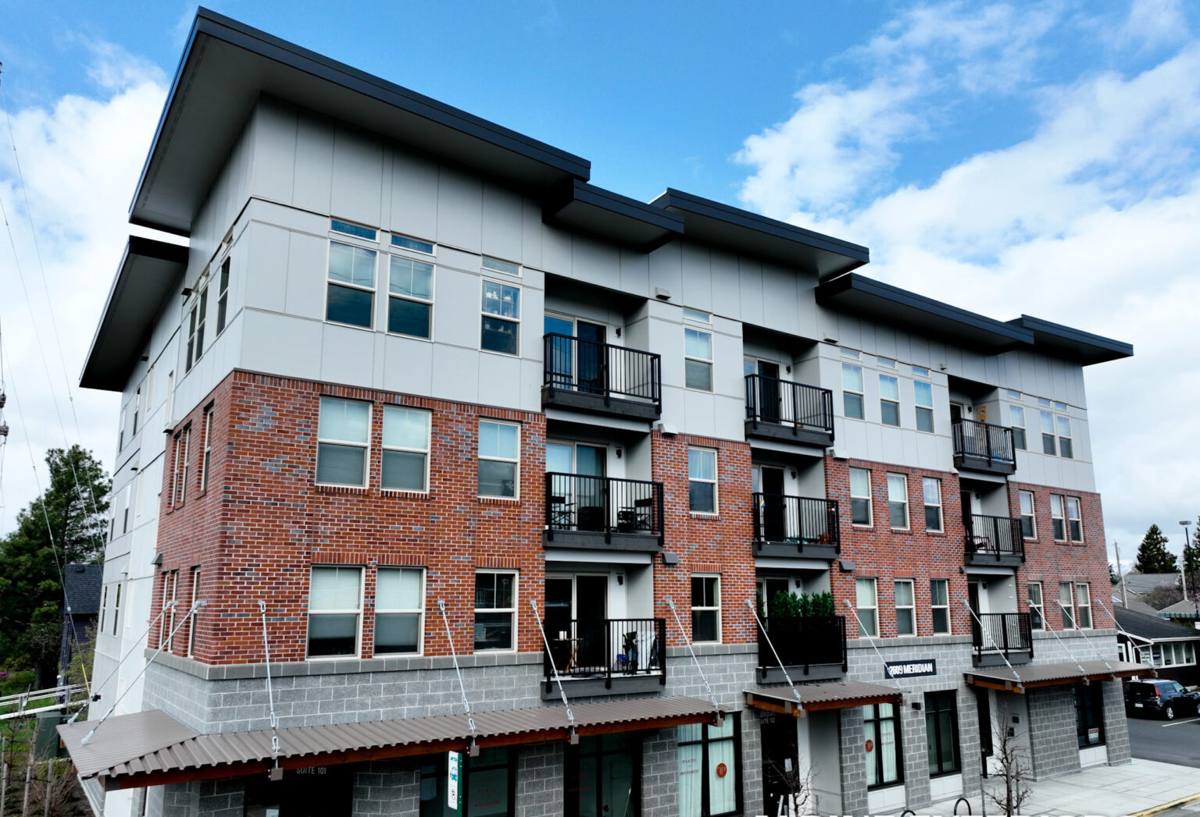
Signs a Nooksack Home Needs Replacement, Not Another Repair
Not every roofing problem calls for a full replacement, and we'll tell you honestly when a repair is the smarter move. But there's a point where patching starts costing more over time than doing the job right. Some signals worth taking seriously:
- Moss growth that comes back within a season or two of cleaning, especially in shaded valleys and north-facing slopes
- Granules collecting in gutters and downspouts, or shingles that look bald and glassy in patches
- Soft or spongy spots underfoot when a roofer walks the roof — usually a sign the decking underneath has taken on moisture
- Daylight visible through the roof deck from inside the attic, or damp insulation after a windy rain
- Curling, cracked, or missing shingles concentrated on the side of the house that takes the worst weather
- A roof that's 20+ years old, regardless of how it looks — asphalt shingle roofs in this climate rarely make it to their full rated life without help
- Rusted or failing flashing around chimneys, skylights, and roof-to-wall transitions
If you're seeing two or more of these, it's worth having someone look at the whole system — not just the shingles, but the decking, flashing, and ventilation underneath — before deciding what the project actually needs to be.
What a Correct Roof Replacement Actually Involves Here
Full Tear-Off, Not a Layover
In a climate this wet, installing new shingles over an old layer traps moisture and hides problems instead of fixing them. A proper replacement means stripping the roof down to bare decking so we can actually see what's underneath — and in Whatcom County, that inspection step catches real issues more often than it doesn't.
Decking Repair
Any decking that's soft, delaminated, or water-stained gets replaced before anything new goes down. Installing new roofing over compromised decking is one of the most common ways a roof fails early, and it's not something that shows up until years later when it's expensive to fix.
Underlayment Built for Wind-Driven Rain
Given how often rain here comes in sideways rather than straight down, underlayment selection and installation matter more than they would in a drier climate. Synthetic underlayment with properly lapped and sealed seams, plus self-adhered membrane in vulnerable areas like eaves, valleys, and roof-to-wall junctions, is standard practice for us — not an upsell.
Flashing Done Right
Flashing around chimneys, skylights, vents, and sidewalls is where most roof leaks actually originate, not the shingle field itself. We replace flashing during a full roof replacement rather than reusing old pieces, and we pay particular attention to step flashing and counterflashing at wall intersections — a common weak point in salt-air, high-rain climates.
Ventilation That Matches the Climate
Balanced intake and exhaust ventilation keeps the attic temperature and humidity closer to outdoor conditions, which slows moss and mold growth on the underside of the deck and helps shingles last their full rated life. In a long, wet moss season, a poorly ventilated attic works against the new roof from day one.
Choosing Roofing Materials for This Climate
There's no single "best" roofing material — the right choice depends on your budget, roof pitch, and how much maintenance you're willing to keep up with. Here's how the common options actually perform under Whatcom County conditions:
| Material | Moss & Moisture Resistance | Wind-Driven Rain Performance | Typical Lifespan Here | Maintenance |
|---|---|---|---|---|
| Standard 3-tab asphalt | Fair — needs regular cleaning | Adequate with proper underlayment | 15–20 years | Moderate; moss cleaning every 1–2 years |
| Architectural (laminate) asphalt | Good, especially with algae-resistant granules | Good — heavier profile sheds wind-driven rain better | 20–30 years | Moderate; less frequent moss issues than 3-tab |
| Standing seam metal | Excellent — moss struggles to establish on metal | Excellent — few horizontal laps for water to work into | 40–50+ years | Low |
| Synthetic/composite shingle | Good to excellent depending on product | Good | 30–50 years | Low to moderate |
Cedar shake is still requested occasionally for its look, but we're honest with clients about the trade-off: in a climate with this much sustained moisture and a moss season this long, wood roofing demands a maintenance commitment — regular treatment, cleaning, and eventual replacement of individual shakes — that most homeowners underestimate going in. It's not that the material fails outright; it's that keeping it performing well here takes ongoing work a lot of people don't want to sign up for. We'll install it if that's what you want, but we'll walk you through what upkeep actually looks like first.
On cost: asphalt shingle replacements for an average Whatcom County home typically land in the several-thousand-to-low-five-figure range, with metal and premium synthetic products running higher up front but lower over the life of the roof given how infrequently they need attention. Roof size, pitch, number of layers to remove, and access all move that number — which is exactly what we walk through during a free estimate rather than quoting a number sight unseen.
Our Roof Replacement Process, Step by Step
- On-site inspection. We walk the roof, check the attic from inside where possible, and look at flashing, ventilation, and any trouble spots you've noticed.
- Written estimate. You get a clear breakdown of material options, scope, and price — no vague allowances that turn into surprise change orders later.
- Scheduling around the weather. We plan tear-off in blocks that account for our rain patterns, with dry-in materials on hand in case conditions shift mid-project.
- Tear-off and decking inspection. Old roofing comes off, decking gets inspected and repaired as needed, and we show you what we found.
- Underlayment, flashing, and ventilation installation. The parts that actually keep water out go in with the care this climate requires.
- New roofing installed to manufacturer spec. Correct fastening patterns and exposure, not shortcuts that void the warranty later.
- Site cleanup and final walkthrough. Magnetic sweep for nails, debris hauled off, and a walkthrough so you know exactly what was done.
Ventilation, Moss, and Moisture Management After the New Roof Goes On
A new roof doesn't mean moss and moisture stop being a factor — it means you're now equipped to manage them properly. Zinc or copper strips near the ridge can help suppress moss regrowth on shaded slopes over time, and keeping gutters and valleys clear of debris matters more here than in drier parts of the state, since standing organic material is exactly what moss needs to get started. We'll go over simple upkeep with you at the end of the job — nothing complicated, just the handful of things that actually make a difference given our weather.
Timeline, Permits, and What to Expect During the Project
Most residential roof replacements in this area take one to a few days of active work once materials are on site, depending on roof size and complexity — though weather can shift that schedule, and we'd rather delay a day than install underlayment in a downpour. Local permitting requirements apply to roof replacements in Whatcom County jurisdictions, and we handle that paperwork as part of the job so you're not chasing it down yourself. Expect some noise and a work zone around the house during active days, with debris and magnetic nail sweeps handled before we consider the job finished.
Why Hiring a Crew That Already Works the Nooksack Area Matters
A roofer who works this part of Whatcom County regularly already knows which details matter most — where moss tends to establish first on a given roof orientation, how far up a wall step flashing needs to run given our rain patterns, and which materials hold up versus which ones just look good on a spec sheet. That's not something you can fully substitute with a generic install checklist. It shows up in fewer callbacks, a roof that still looks and performs the way it should ten years in, and a crew that's around locally if a question comes up after the job is done.
If your roof is showing its age or you just want an honest opinion on repair versus replacement, we're happy to come take a look. Fill out the form below for a free, no-pressure estimate — we'll tell you what we actually see, not just what sells a job.