 Blaine Exterior
 Windows Built for Peace Arch's Coastline Conditions
Peace Arch sits close enough to the water and the border that homes here take a different kind of beating than houses further inland in Whatcom County. Salt-laden air drifts in off the strait, driving rain comes in sideways during winter storms, and the long, damp moss season keeps exterior surfaces wet for weeks at a time. Windows are one of the first things to show the wear. Seals fail early, hardware corrodes, and frames that aren't properly flashed let moisture work its way into the wall cavity long before anyone notices a problem inside.
This page covers window installation specifically for Peace Arch homes — what the local climate demands, what a correct install actually involves, and how our process is built around the realities of working this close to the water.
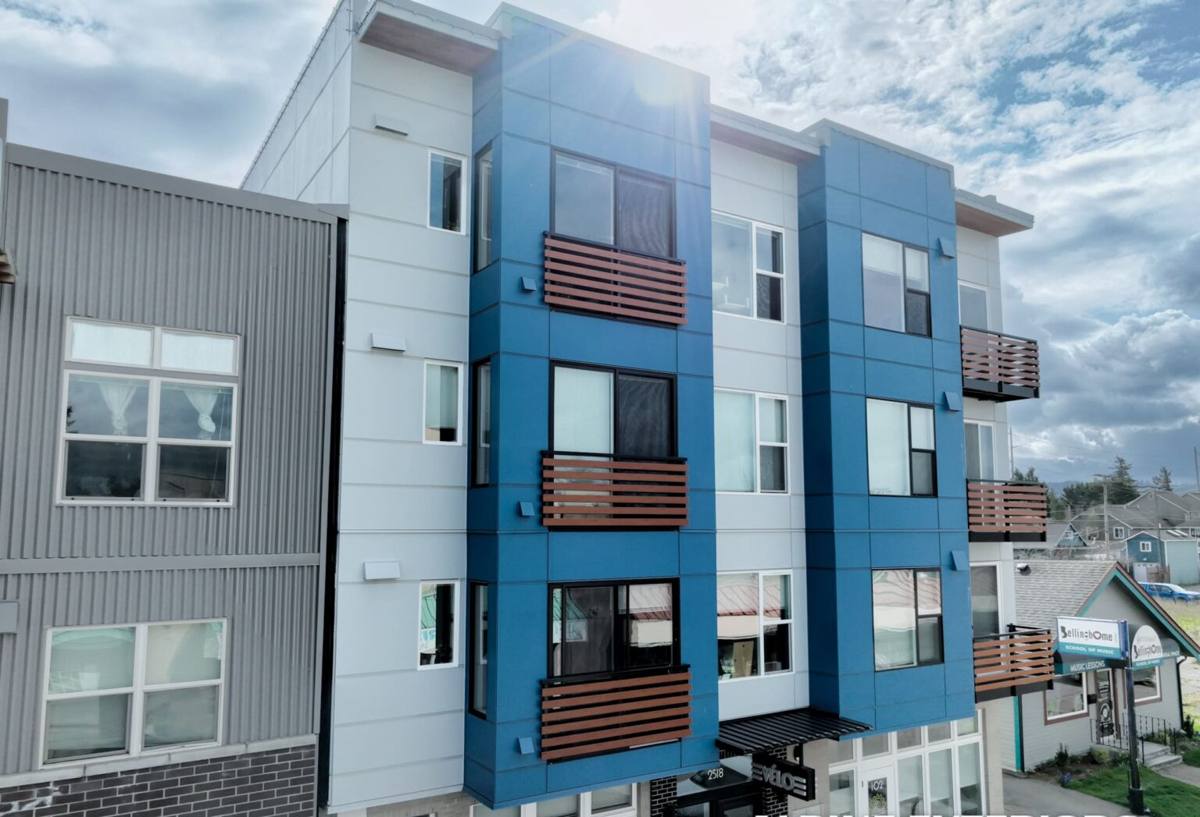
What Salt Air, Rain, and Moss Actually Do to Windows
Salt air and hardware corrosion
Airborne salt is corrosive to metal components — hinges, locks, cranks, and especially aluminum or steel fasteners that weren't rated for coastal exposure. Over time this shows up as stiff or seized hardware, pitting on frame surfaces, and premature failure of screws holding the window to the framing. It's a slower process than storm damage, but it's constant, and it's specific to homes within a few miles of the shoreline.
Driving rain and water intrusion
Wind-driven rain doesn't just hit a window — it can be pushed sideways and upward into gaps that would never see water in a calmer climate. A window that's slightly out of level, under-flashed, or sealed with the wrong product will eventually let water track behind the trim and into the sheathing. This is usually invisible until there's staining, soft trim, or a musty smell nearby.
Moss and prolonged moisture exposure
Whatcom County's long moss season means exterior wood trim, sills, and cladding around windows stay damp for extended stretches, especially on north- and shade-facing walls. Moss holds moisture against the surface, which accelerates rot in wood components and keeps caulk and sealants under constant stress. Window openings in shaded or tree-lined parts of Peace Arch tend to need more attention here than open, sun-exposed elevations.
Signs a Peace Arch Home Needs New Windows
- Fogging or moisture between glass panes (failed seal on double- or triple-pane units)
- Drafts you can feel near the frame even when the window is fully latched
- Hardware that's corroded, sticky, or requires force to lock and unlock
- Soft, discolored, or spongy wood trim or sill material around the window
- Visible daylight or gaps between the frame and the surrounding wall
- Noticeably higher heating bills without another clear cause
- Condensation forming on interior glass or sills during cold, wet weather
Any one of these can be minor on its own, but on a home this close to the water they tend to compound. A failed seal lets in the salt-laden air; the salt-laden air accelerates hardware corrosion; corroded hardware means the window doesn't seat tightly, which lets in more moisture. Catching the problem early is almost always cheaper than waiting.
What a Correct Window Installation Involves
Window installation is often treated as a swap-and-caulk job, but in a coastal, high-rainfall climate the details around the window matter as much as the window itself. A correct install includes:
- Removing the old unit carefully to inspect the rough opening for hidden rot or moisture damage before anything new goes in
- Repairing or rebuilding the opening if the sheathing, framing, or sill has been compromised — installing a new window into a damaged opening just repeats the failure
- Proper flashing sequence — sill pan flashing, side flashing, and head flashing installed in the correct shingle-lapped order so water is directed out and away from the wall, never trapped behind the window
- Weather-resistant barrier integration so the window ties into the home's existing house wrap or building paper correctly, rather than just sitting on top of it
- Shimming and leveling so the window operates smoothly and seals evenly on all four sides — an out-of-square window will fail its seals early no matter how good the unit is
- Insulating the gap between the frame and the rough opening without overpacking it, which can bow the frame and cause operational problems
- Sealing with the right products for coastal exposure — sealants and finishes chosen for UV and salt resistance, not just whatever is fastest to apply
- Interior and exterior trim work finished to shed water away from the opening, not toward it
Skipping or rushing any one of these steps is how a brand-new window ends up with the same moisture problems as the one it replaced, just a few years later instead of immediately.
Choosing the Right Window Material for This Climate
Not every window frame material holds up the same way under salt air and constant moisture. Here's how the common options compare for a Peace Arch home specifically:
| Material | Coastal Performance | Maintenance | Typical Trade-offs |
|---|---|---|---|
| Vinyl | Good — won't rust or rot, handles moisture well | Low | Can't be repainted; color choices are more limited |
| Fiberglass | Very good — dimensionally stable, resists moisture and salt corrosion | Low | Higher upfront cost than vinyl |
| Wood (clad or unclad) | Requires diligence — beautiful but vulnerable if finish isn't maintained | High | Best suited to protected elevations, not full weather exposure |
| Aluminum | Poor to fair without upgraded coatings — prone to corrosion and thermal transfer in salt air | Moderate | We generally steer homeowners away from bare aluminum on exposed coastal walls |
We don't push one brand or material on every job. The right choice depends on the window's exposure — a shaded, protected wall can handle a wider range of materials than a wall that takes direct wind and rain off the water. We'll walk through what makes sense for each elevation of your home rather than applying a single answer to the whole house.
Our Installation Process
1. On-site assessment
We look at each window opening individually, not just the unit itself — checking for existing moisture damage, checking how exposed that wall is to wind-driven rain, and noting anything that needs repair before a new window goes in.
2. Product selection
We talk through frame material, glass package, and hardware options based on that specific opening's exposure, your budget, and how the window will be used day to day.
3. Removal and opening prep
Old units come out carefully. Any rot, damaged sheathing, or compromised flashing gets addressed before the new window is set — this is the step that's most often skipped by crews trying to move fast, and it's the one that determines whether the install lasts.
4. Installation
Flashing, leveling, insulating, and sealing done in the correct order, with attention to how this specific wall handles water, not a generic checklist.
5. Finish and cleanup
Interior and exterior trim finished, hardware tested, and the site left clean. We walk the job with you before we consider it done.
What Affects the Cost
| Factor | Why It Matters |
|---|---|
| Number and size of openings | More or larger windows means more material and labor |
| Frame material | Vinyl, fiberglass, and wood carry different unit costs |
| Condition of the existing opening | Hidden rot or moisture damage adds repair work before installation can start |
| Wall exposure | Openings facing direct wind and rain often warrant upgraded flashing and sealant details |
| Glass package | Double- vs. triple-pane and coatings affect both cost and long-term energy performance |
| Access and site conditions | Second-story or hard-to-reach windows take more time and equipment |
We'll give you a clear, itemized estimate before any work starts — no surprise add-ons once the wall is opened up, because we've already looked at what's behind it.
What to Ask Before Hiring a Window Contractor Here
- Do they inspect the rough opening for existing moisture damage before quoting a firm price?
- Can they explain their flashing sequence, not just what brand of window they sell?
- Do they have experience with homes in this specific coastal, high-rainfall part of Whatcom County?
- Are they licensed, bonded, and insured in Washington State?
- Will they put the warranty terms — on both product and labor — in writing?
- Do they use sealants and fasteners rated for salt air exposure, or generic products?
A crew that hasn't worked much on the coastal side of the county may not think twice about hardware choice or flashing detail — and on a home exposed to salt air and driving rain, those details are exactly what determines whether the job holds up.
Why Local Experience in Peace Arch Matters
Window installation isn't identical everywhere in Whatcom County. A home a few miles inland deals with less salt exposure and less direct wind-driven rain than a home closer to the water in Peace Arch. Crews who work this area regularly already know which elevations tend to take the worst weather, which materials hold up and which don't, and what the moss season does to trim and sealant over a full year of cycles — not just at the moment of installation. That familiarity shows up in fewer callbacks and windows that are still performing well years down the road, not just on install day.
Get a Free, No-Pressure Estimate
If your windows are showing their age — drafts, fogged glass, sticky hardware, or soft trim — it's worth having someone take a look before the next round of storms. We'll assess your home's specific exposure, walk you through honest options for your budget, and give you a straightforward estimate with no pressure to commit on the spot. The form below gets you started.