 Blaine Exterior
 Roofing Right on the Blaine Harbor Shoreline
Blaine Harbor sits about as close to the water as a Whatcom County neighborhood gets. That location is part of what makes it a great place to live, and it's also exactly why roofs here wear out faster than roofs ten miles inland. Salt-laden air off the water, near-constant marine humidity, and driving rain that comes in sideways during winter storms all put extra stress on shingles, flashing, and fasteners. A new roof installed here needs to be built for that environment specifically, not just installed to a generic code minimum.
We install new roofs throughout Blaine, and Blaine Harbor is one of the areas where we spend the most time thinking about material choice, fastener corrosion resistance, and ventilation design before a single shingle goes down. This page covers what a correct new roof installation looks like for a Blaine Harbor home, and why the details matter more here than they would in a drier, more sheltered part of the county.
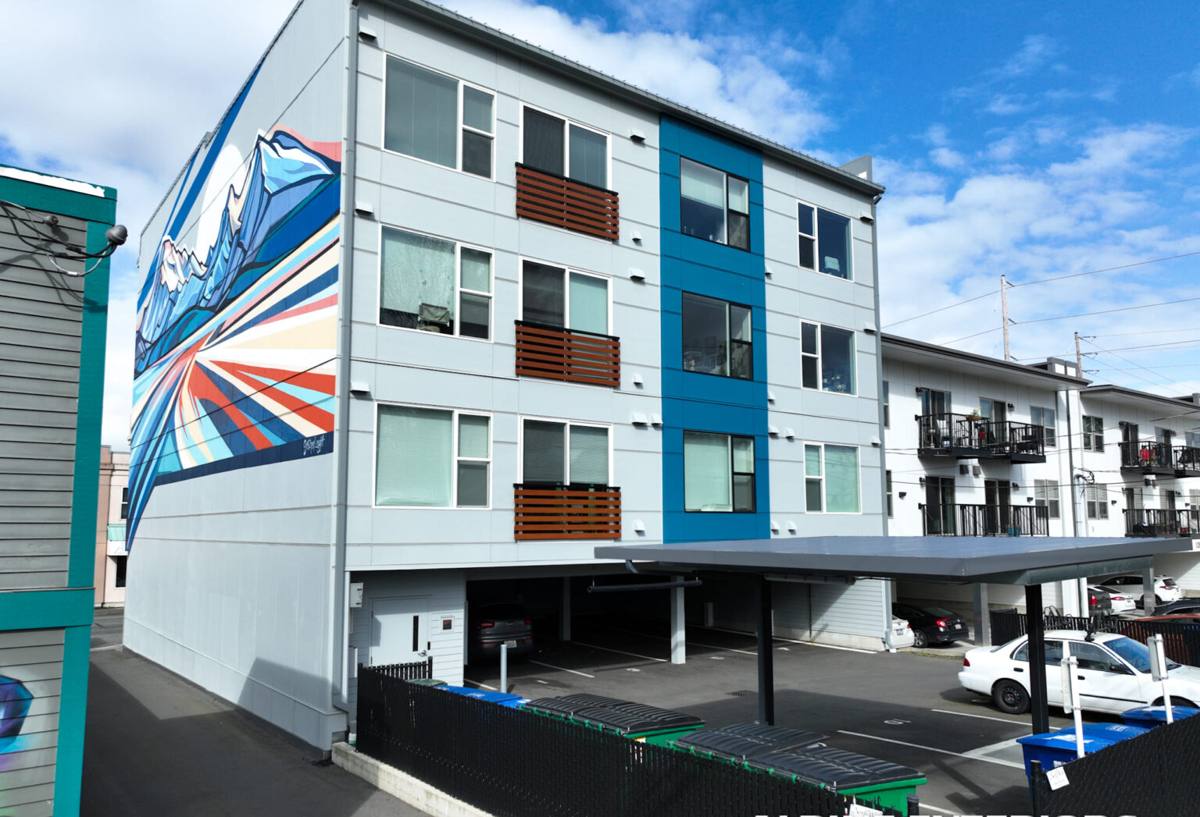
What the Local Climate Actually Does to a Roof
Salt Air and Corrosion
Airborne salt from the harbor settles on every exposed surface of a roof, including nail heads, flashing edges, and metal drip edge. Over years, that salt accelerates corrosion on standard fasteners and lower-grade metal components. A roof that would hold up fine in Sumas or Lynden can develop rust streaks and weakened fastener heads much sooner in Blaine Harbor if it wasn't built with corrosion-resistant hardware from the start.
Driving Rain and Wind-Driven Water
Storms coming off the Strait of Georgia don't just drop rain straight down — wind pushes it sideways and up under shingle edges, around vents, and into any gap in flashing that a calmer climate might tolerate. Roofs near the harbor need tighter flashing details and better underlayment coverage at every penetration, because wind-driven rain finds the weak points that vertical rain never would.
Moss and Prolonged Dampness
Whatcom County's long wet season, combined with the shade many Blaine Harbor lots get from mature evergreens, creates ideal conditions for moss growth. Moss holds moisture against the roof surface for extended periods, which shortens shingle life and can work its way under shingle tabs if it's left unchecked. A new roof should be installed and detailed in a way that makes moss control realistic for the homeowner going forward, not just left to fend for itself.
Choosing a Roofing System for This Environment
There's no single "best" roof for Blaine Harbor — the right choice depends on the home's roof pitch, budget, and how long the owner plans to stay. What matters is picking a system with the moisture and corrosion resistance the location demands, and installing it correctly. Here's how the common options compare for a coastal Whatcom County home:
| Roofing Material | Salt Air Performance | Moss Resistance | Typical Lifespan Here |
|---|---|---|---|
| Standard architectural asphalt shingle | Good, with corrosion-resistant fasteners and flashing | Fair — needs periodic cleaning | 20-25 years |
| Premium/algae-resistant asphalt shingle | Good | Better — copper or zinc granules reduce moss growth | 25-30 years |
| Standing seam metal | Very good with proper coating and fastener selection | Very good — smooth surface sheds moss easily | 40-50+ years |
| Cedar shake | Fair — requires diligent maintenance near salt air | Poor without regular treatment | 20-30 years with upkeep |
We'll walk through these trade-offs honestly during your estimate. Algae-resistant shingles cost a bit more up front but reduce how often a Blaine Harbor roof needs professional moss treatment. Metal roofing costs more initially but performs exceptionally well against both salt exposure and moss, which is worth discussing if you're planning to stay in the home long-term.
Fasteners and Flashing Matter as Much as the Shingle
A roof is only as good as its weakest component, and near the harbor that's usually the hardware, not the shingle itself. We use corrosion-resistant fasteners and flashing metals appropriate for coastal exposure on every Blaine Harbor installation — cutting corners here is the single most common reason a "new" roof develops rust stains and leaks well before its shingles are due for replacement.
What a Correct New Roof Installation Includes
A proper roof installation is a system, not a single layer of shingles. For a Blaine Harbor home, that system needs to account for wind-driven rain and prolonged dampness at every step:
- Tear-off down to the deck, with an inspection of the sheathing for rot or soft spots before anything new goes on
- Deck repair or replacement of any compromised sheathing — covering over bad decking is how leaks get trapped and hidden
- Ice-and-water shield membrane at eaves, valleys, and around all penetrations, extended further than code minimum in areas most exposed to wind-driven rain
- Synthetic underlayment across the full roof for a secondary water barrier beneath the shingles
- Corrosion-resistant drip edge and step flashing at every wall intersection, chimney, and skylight
- Properly balanced intake and exhaust ventilation to manage moisture from inside the attic
- Shingle or metal panel installation to manufacturer specifications, including correct nailing patterns for wind exposure
- Final inspection of all flashing, vents, and transitions before cleanup
Skipping any one of these steps doesn't usually cause an immediate problem — it shows up two, five, or ten years later as a leak that's harder and more expensive to trace than it would have been to prevent.
Ventilation: The Detail Most Roofs Get Wrong
Attic ventilation doesn't get much attention from homeowners, but it's one of the biggest factors in how long a roof lasts in a damp climate like this one. Without enough intake and exhaust airflow, moisture from daily living gets trapped in the attic, condenses on the underside of the roof deck, and creates the same damp conditions that encourage moss and rot from the inside out. On a Blaine Harbor home, where outdoor humidity is already high most of the year, getting attic ventilation right during installation is not optional — it directly affects how well the rest of the roof system performs.
We calculate ventilation needs based on the actual attic space and existing vent locations rather than assuming the old setup was adequate. In many older Blaine Harbor homes, it wasn't.
Our Installation Process
Every new roof we install follows the same disciplined process, regardless of material:
- On-site assessment — we inspect the existing roof, attic ventilation, and any signs of past moisture damage before quoting anything
- Material selection — we talk through the honest trade-offs between shingle, metal, and other options for your specific roof and budget
- Permitting — we handle the required permitting through the appropriate local jurisdiction before work begins
- Tear-off and deck inspection — old roofing comes off and the deck is checked and repaired as needed
- Underlayment and flashing — the full moisture-management system goes in before any finish material
- Installation — shingles or panels are installed to spec, with attention to wind exposure and nailing patterns
- Final walkthrough — we review the completed roof with you and answer any questions before considering the job done
Simple Maintenance That Extends a New Roof's Life
A correctly installed roof still benefits from basic upkeep, especially this close to the water. We give every Blaine Harbor customer the same short list:
- Clear debris and needles from valleys and gutters each fall, before the wet season sets in
- Have moss growth treated or removed before it spreads across a full slope, rather than after
- Trim back overhanging branches that keep sections of the roof shaded and damp
- Check attic ventilation isn't blocked by insulation or storage after any attic work
- Schedule a visual inspection every few years, especially after a significant windstorm off the water
Why Hiring a Crew That Knows Blaine Harbor Matters
General roofing knowledge gets you most of the way to a good roof anywhere in the country. The last mile — corrosion-resistant fastener selection, flashing details that hold up to wind-driven rain, and ventilation sized for a persistently damp climate — comes from having actually worked on roofs in this specific environment. A crew that installs roofs throughout Whatcom County's coastal areas has already seen which details fail near the harbor and which hold up, and builds that experience into every installation rather than learning it on your roof.
We're not going to tell you a competitor's product or crew will fail — that's not our call to make and it's not how we operate. What we will tell you is our own standard: corrosion-resistant hardware, full underlayment coverage, properly sized ventilation, and honest material recommendations based on how your specific roof sits relative to the water and tree cover. That standard doesn't change based on budget — only the material selection does.
Get a Straight Answer About Your Roof
If your roof is showing its age, or you just want an honest read on how many years it has left, we're happy to take a look. We offer free, no-pressure estimates for new roof installation in Blaine Harbor and the surrounding area — use the form below to get started.