 Blaine Exterior
 Windows on Sandy Point Take a Different Kind of Beating
Sandy Point sits right where Whatcom County meets the water, and that location is exactly why windows here don't age like windows a few miles inland. Homes on the point face near-constant exposure to salt-laden air, wind-driven rain off the water, and long stretches of shade and dampness that keep moss and algae going most of the year. A window that would last two or three decades in a sheltered neighborhood can start failing in half that time out here if it wasn't built or installed with this environment in mind.
We work on windows up and down the Blaine area, and the homes on Sandy Point are consistently among the hardest on materials. That's not a knock on the neighborhood — it's just physics. Salt air is corrosive, standing moisture rots wood and swells frames, and constant moss growth traps moisture against surfaces that need to stay dry. Replacing windows out here isn't just a cosmetic upgrade; it's addressing a structural weak point in the house.
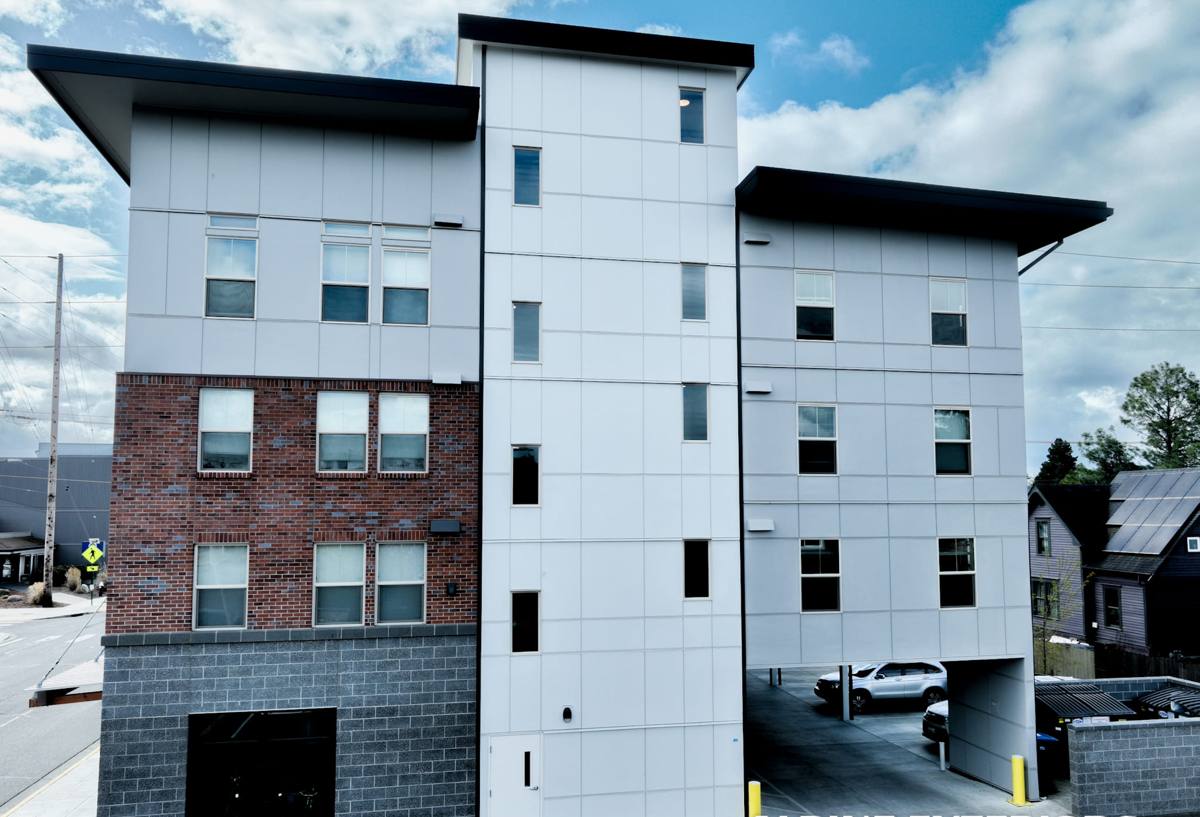
What Salt Air, Rain, and Moss Actually Do to a Window
Salt Air and Metal Components
Salt in the air settles on everything, including window hardware, aluminum frames, and fasteners. Over time it corrodes exposed metal — hinges stick, locks stop seating properly, and aluminum frames can pit and discolor. Older aluminum-frame windows, common in beach cottages built decades ago, are especially prone to this. Once corrosion sets into the frame itself rather than just the hardware, repair stops being cost-effective.
Driving Rain and Water Intrusion
Sandy Point's exposure means rain doesn't just fall straight down — wind pushes it sideways into siding and window openings. If a window's flashing, sealant, or weep system isn't detailed correctly, that wind-driven rain finds its way behind the frame. You often won't see it until there's staining on interior trim, soft spots in the wall below the window, or a musty smell that won't go away.
Moss and Persistent Dampness
Between the marine layer and tree cover common on shaded lots, many Sandy Point properties stay damp longer than homes just a few blocks away. Moss and algae take hold on north-facing frames, sills, and the wood trim around older windows. Left alone, that growth holds moisture against the surface around the clock, which accelerates wood rot and breaks down caulking and sealants faster than sun exposure ever would.
Seal and Glass Failures
Double-pane windows rely on a sealed gap between panes to insulate. Constant temperature swings between damp mornings and warmer afternoons stress that seal. Once it fails, you'll see fogging or a hazy film between the panes that no amount of cleaning fixes — the seal is gone and the insulating gas has escaped.
Signs a Sandy Point Home Needs Window Replacement
- Fogging or condensation trapped between panes of glass
- Aluminum or wood frames that are pitted, corroded, or visibly rotting
- Windows that are hard to open, close, or lock — often from swollen wood or corroded hardware
- Persistent moss or algae growth on frames or sills that keeps returning after cleaning
- Drafts or noticeable temperature difference near the window even when it's shut
- Soft or discolored wall material below or beside the window frame
- Visible daylight or gaps around the frame where it meets the siding
- Noticeably higher heating bills in a home with older, original windows
If you're seeing two or more of these, it's worth having the windows assessed rather than waiting. Water intrusion around a window rarely stays contained to the window — it spreads into framing and siding the longer it's left unaddressed.
Choosing Materials That Hold Up on the Point
Not every window product marketed as "durable" is a good match for direct salt air exposure. We steer Sandy Point homeowners toward materials based on how they actually perform in this specific environment, not just how they perform on a spec sheet.
| Material | Coastal Performance | Maintenance | Typical Fit for Sandy Point |
|---|---|---|---|
| Vinyl | Does not corrode or rot; handles salt air well | Low — occasional washing | Strong all-around choice for most homes |
| Fiberglass | Excellent — very stable in temperature and moisture swings | Low | Good for homes wanting a higher-end, longer-life option |
| Aluminum (modern, thermally broken) | Better than older aluminum, but still metal — needs a quality finish | Moderate — watch for corrosion over time | Workable for specific architectural styles, not our default recommendation on the water |
| Wood | Vulnerable to rot and moisture unless meticulously maintained | High — regular sealing and painting required | Only recommended with a durable exterior clad and a realistic maintenance plan |
We're not against wood or aluminum windows outright — some homeowners want the look of a wood interior, and clad-wood products can work well when installed and maintained correctly. But on a property that gets this much salt air and rain, we're honest about the maintenance burden a homeowner is signing up for, and we'll tell you when a lower-maintenance material is the smarter long-term call for a beachfront lot.
What a Correct Installation Involves Out Here
The window unit itself is only part of the job. On Sandy Point, the installation detailing around the window matters just as much, because that's what determines whether wind-driven rain stays out.
- Removing the old window carefully to expose the rough opening without damaging surrounding siding or trim.
- Inspecting the framing for hidden rot or moisture damage before anything new goes in — this is often where problems from years of water intrusion actually show up.
- Installing proper flashing at the sill and sides, lapped correctly so water is directed out and away from the wall assembly, not just caulked over.
- Sealing with the right materials for this climate — sealants and tapes that stay flexible and adhere well in persistently damp conditions.
- Setting the window plumb, level, and square so it operates smoothly and seals evenly for its full lifespan.
- Finishing the exterior trim and siding tie-in so the whole assembly sheds water the way it was designed to.
Skipping or rushing any of these steps is how a brand-new window still ends up with water damage two winters later. We treat the flashing and sealing details as the real work — the window unit is just the visible part.
Our Process for Sandy Point Homeowners
We keep the process straightforward and don't push products you don't need.
- On-site assessment: We look at your current windows, frame condition, and any signs of water intrusion or rot before recommending anything.
- Honest recommendation: We'll tell you which windows fit your home, your budget, and this specific climate — including if repair rather than full replacement makes more sense for now.
- Accurate measurement and ordering: Every opening gets measured on-site; we don't work off assumptions or old plans.
- Installation with proper flashing and sealing: Detailed the way this climate requires, not just to code minimums.
- Cleanup and walkthrough: We clean up the job site and walk you through how the new windows operate and what maintenance, if any, they'll need.
Why Local Experience on the Point Matters
Sandy Point has its own quirks — narrow lots, homes built close to the shoreline, older beach cottages that were never designed for year-round living, and wind exposure that differs noticeably from a home a few miles inland in Blaine. A crew that hasn't worked this specific stretch of Whatcom County waterfront can underestimate how much protection a window installation actually needs here, or recommend a material that looks fine on paper but won't hold up against the salt air.
Working this area regularly means we've seen how different housing stock on the point ages — from older single-pane wood windows in original beach cabins to more recent vinyl retrofits — and what actually holds up versus what fails early. That local pattern recognition is worth more than a generic install crew's general-purpose experience.
Cost Factors to Expect
| Factor | Why It Affects Price |
|---|---|
| Window material | Vinyl is typically the most budget-friendly; fiberglass and clad-wood cost more upfront |
| Number of windows | Full-home replacements bring a better per-window cost than one-off replacements |
| Frame and wall condition | Hidden rot or water damage found during removal adds repair work before the new window goes in |
| Window size and type | Standard sizes cost less than custom shapes, large picture windows, or specialty configurations |
| Access and site conditions | Tight beachfront lots or upper-story windows can affect labor time |
We give straightforward, itemized estimates so you know what you're paying for and why — no inflated "coastal upgrade" line items that aren't explained.
Get a Straight Answer on Your Windows
If your Sandy Point home has windows that are fogging, sticking, growing moss, or just feel drafty and old, it's worth getting an honest look before another wet Whatcom County winter. We'll walk your home, tell you what we actually see, and give you a free, no-pressure estimate using the form below.