 Blaine Exterior
 Why Window Performance Matters More in Lynden
Lynden sits inland from Blaine in the Nooksack River valley, which means less direct salt exposure than homes right on the water but no relief from the rest of Whatcom County's weather pattern: long stretches of driving rain, heavy cloud cover, damp winters, and the kind of persistent moisture that keeps moss growing on roofs and siding most of the year. Windows are one of the biggest thermal weak points in any house, and in a climate like this they're also one of the biggest moisture entry points if they're not installed correctly. A window that looks fine from the curb can still be letting cold air in around the frame, fogging up between panes, or slowly rotting the wall framing behind it because the flashing was never done right.
For Lynden homeowners, "energy-efficient windows" isn't just about a lower heating bill, though that's real. It's about keeping the building envelope dry and sound through another wet Whatcom County winter. The two goals — efficiency and moisture control — go hand in hand, and a job that only solves one of them isn't a job worth doing.
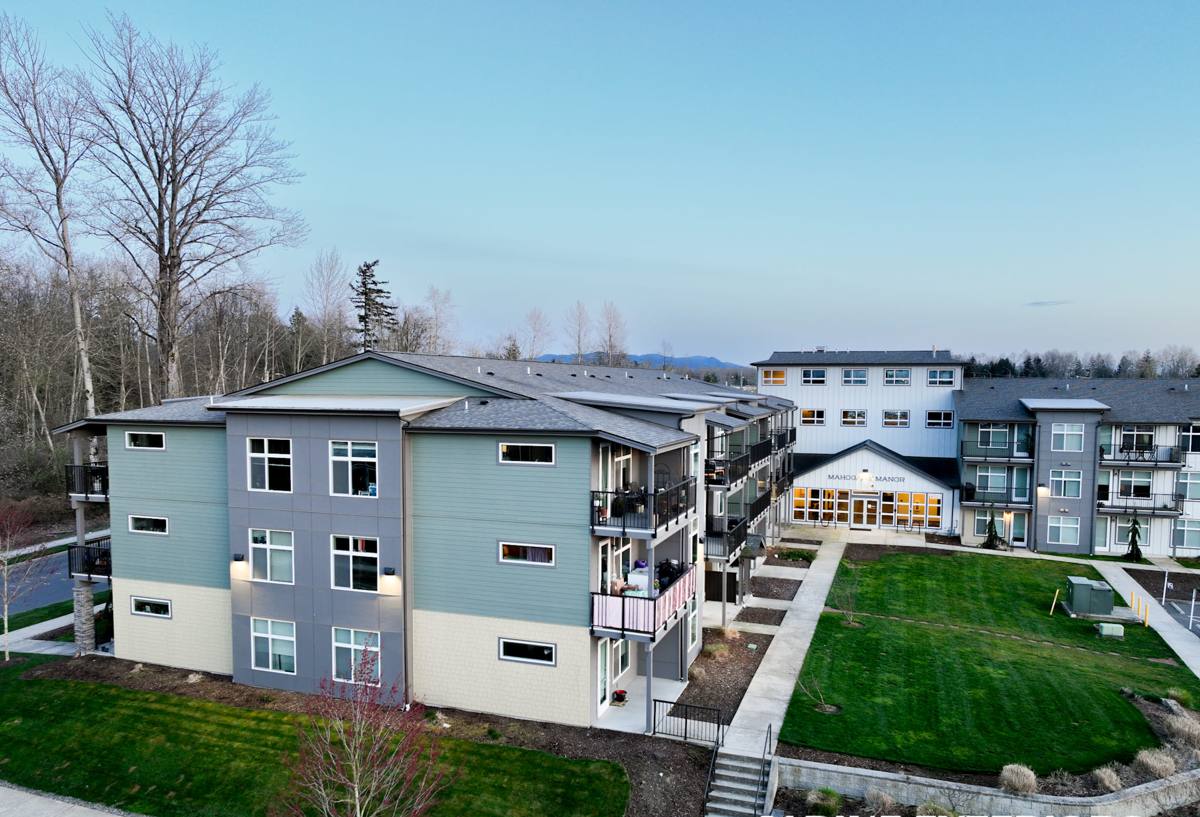
What the Local Climate Demands from a Window
Rain and Wind-Driven Moisture
Whatcom County gets sustained rain events, and wind off the water or across open farmland can drive that rain sideways into wall assemblies. A window unit needs a good seal, but the seal alone isn't enough — the flashing details around the rough opening have to shed water down and out, not let it pool against the sill or wick into the framing.
Temperature Swings and Condensation
Cool, damp air outside and warmer, humid air inside (especially in kitchens, bathrooms, and homes with newer, tighter insulation) creates ideal conditions for condensation on window glass and frames. Older single-pane or poorly sealed dual-pane windows show this constantly — fogged glass, drips on the sill, and eventually soft or discolored trim. A properly specified energy-efficient window with the right glazing package cuts this down substantially.
Moss and Organic Growth
Moss doesn't just grow on roofs. Given a shaded, damp window sill or a frame that stays wet because water isn't draining away, you'll see moss and algae staining develop on wood trim and even on some vinyl surfaces over time. Good drainage details and materials that don't hold moisture reduce this.
What a Correct Energy-Efficient Window Job Actually Involves
A lot of window replacement work in this region gets sold as a simple swap: pull the old unit, drop in the new one, caulk the edges, done in an afternoon. That approach can work fine in a dry climate. In Whatcom County it's how you end up with rot behind the trim two or three winters later, hidden until someone finally pulls the siding.
- Remove the old window and inspect the rough opening framing and sill for existing rot or moisture damage before anything new goes in
- Repair or replace any compromised framing, sheathing, or sill material — never install a new window over a wet or soft substrate
- Install a sloped sill pan so any water that does get past the window drains outward instead of sitting against the frame
- Flash the opening in the correct shingle-lap order (sill, jambs, then head) so water sheds down and over each layer
- Set the window level, plumb, and square, then air-seal and insulate the gap between the frame and rough opening — not just caulk the exterior trim
- Finish exterior trim and flashing so water is directed away from the wall, not toward it
- Confirm the interior air seal and check operation (smooth open/close, tight lock engagement) before calling the job done
Glazing and Frame Choices That Make Sense Here
Glass Packages
Double-pane, low-E glass with argon gas fill is the practical baseline for this climate — it cuts heat loss and reduces the condensation problems described above without the added cost of triple-pane, which is rarely necessary in Whatcom County's marine climate unless a home has an unusually cold, exposed orientation. The low-E coating also helps manage solar heat gain during the brighter summer stretches without darkening the glass.
Frame Materials
Vinyl frames are the common choice for good reason: they don't absorb moisture, they don't need repainting, and modern multi-chamber vinyl frames perform well thermally. Fiberglass is a solid step up in dimensional stability and can be worth it on larger openings or homes with specific design goals, at a higher cost. Wood-clad windows look good but require more upkeep in a wet climate — if that maintenance commitment isn't something a homeowner wants to take on, it's worth weighing honestly against the alternatives rather than assuming wood-clad is automatically the premium choice.
Comparing Common Options
| Frame Type | Moisture Tolerance | Maintenance | Typical Fit for Lynden |
|---|---|---|---|
| Vinyl (multi-chamber) | Excellent — won't rot or absorb water | Low — occasional cleaning | Strong all-around choice for most homes |
| Fiberglass | Excellent | Low | Good for larger openings or higher-end projects |
| Wood-clad | Good if maintained; vulnerable if seals fail | Higher — periodic inspection and upkeep | Fine for homeowners willing to maintain it |
| Aluminum | Poor thermal performance; can condense | Low | Not usually recommended for efficiency-focused work here |
Signs a Lynden Home Needs New Windows Now
- Visible condensation or fogging between the panes of a dual-pane window — the seal has failed and the gas fill is gone
- Drafts you can feel near the frame on a windy day, even with the window latched
- Soft, discolored, or moss-stained wood trim around the exterior of the frame
- Windows that are hard to open, close, or lock — often a sign the frame has shifted or swollen
- Noticeably higher heating costs compared to similar-sized homes nearby
- Visible daylight or a noticeable gap where the frame meets the siding
Our Process for a Window Replacement Project
We start with a walkthrough of the home to look at each window that's being considered, check the condition of the surrounding trim and framing, and talk through what's actually needed versus what can wait. From there we put together a straightforward estimate that spells out the glazing package, frame material, and the flashing and installation approach — no vague line items.
On installation day, each opening gets inspected before the new window goes in. If we find rot or moisture damage in the framing — which does happen on older Whatcom County homes — we'll stop, show you what we found, and talk through the repair before moving forward. We don't install new windows over compromised framing; that just hides a problem that gets worse. Once the opening is sound, we set the window, flash it correctly, insulate the gap, and finish the trim so it sheds water the way it's supposed to.
Questions Worth Asking Before Hiring Anyone for This Job
- Will you inspect the rough opening and sill for rot before installing, not just after a problem shows up?
- What's your flashing sequence, and will you explain it in plain terms?
- What glass package and frame material do you recommend for this specific wall, and why?
- What's covered under warranty — the glass unit, the frame, and the labor — and for how long?
- Are you licensed and insured to do this work in Washington state?
Why Hire a Crew That Already Works in This Area
A contractor who works across Whatcom County regularly — Blaine, Lynden, and the surrounding communities — has already seen how homes here hold up (or don't) against this climate. That's not something you get from a national franchise crew rotating through on a route, or from a one-off installer who mostly works drier inland regions and treats every job the same. We know what a sill pan needs to do in a driving rain event here, what kind of moss and moisture staining shows up on north-facing walls, and where older Lynden homes are more likely to have hidden framing issues around original windows. That local pattern recognition is part of what keeps a window job from becoming a repair call two years later.
Being based in Blaine also means we're not driving in from out of the area for a callback if something needs a second look after installation. That matters for warranty work and for the kind of follow-up questions homeowners have a season or two after the project wraps.
Cost Factors to Expect
Window replacement pricing varies by opening size, frame material, glazing package, and how much (if any) framing repair is needed once the old window comes out. Rather than quote a number that doesn't mean much without seeing the actual openings, we'll walk the home, look at each window, and give a written estimate that breaks down what's driving the cost — so there are no surprises once the work starts.
If you're weighing whether to replace a few problem windows now or plan a full-home project, we're happy to talk through both approaches and what makes sense for your timeline and budget. Reach out for a free, no-pressure estimate — there's a form below to get started.