 Blaine Exterior
 Windows Built for Bellingham's Weather, Not Just the Showroom
Bellingham sits close enough to the water and the marine air moving off the Salish Sea that windows here take a different kind of beating than windows fifty miles inland. It's not one dramatic storm that causes trouble — it's the steady combination of salt-laden air, driving horizontal rain, and long stretches of damp, low-sun weather that add up year after year. A window that's installed correctly for this climate will outlast one that was installed the same way you'd install it in a dry inland town. That difference shows up in the flashing details, the sealant choices, and the frame material, not just the glass.
We install windows across Whatcom County and see the same failure patterns repeat on homes where the install cut corners: sills that trap water instead of shedding it, gaps behind trim that let moist air reach framing, and frame materials that weren't suited to constant humidity. This page covers what Bellingham homes specifically need from a window installation, what a correct job looks like, and how we approach the work.
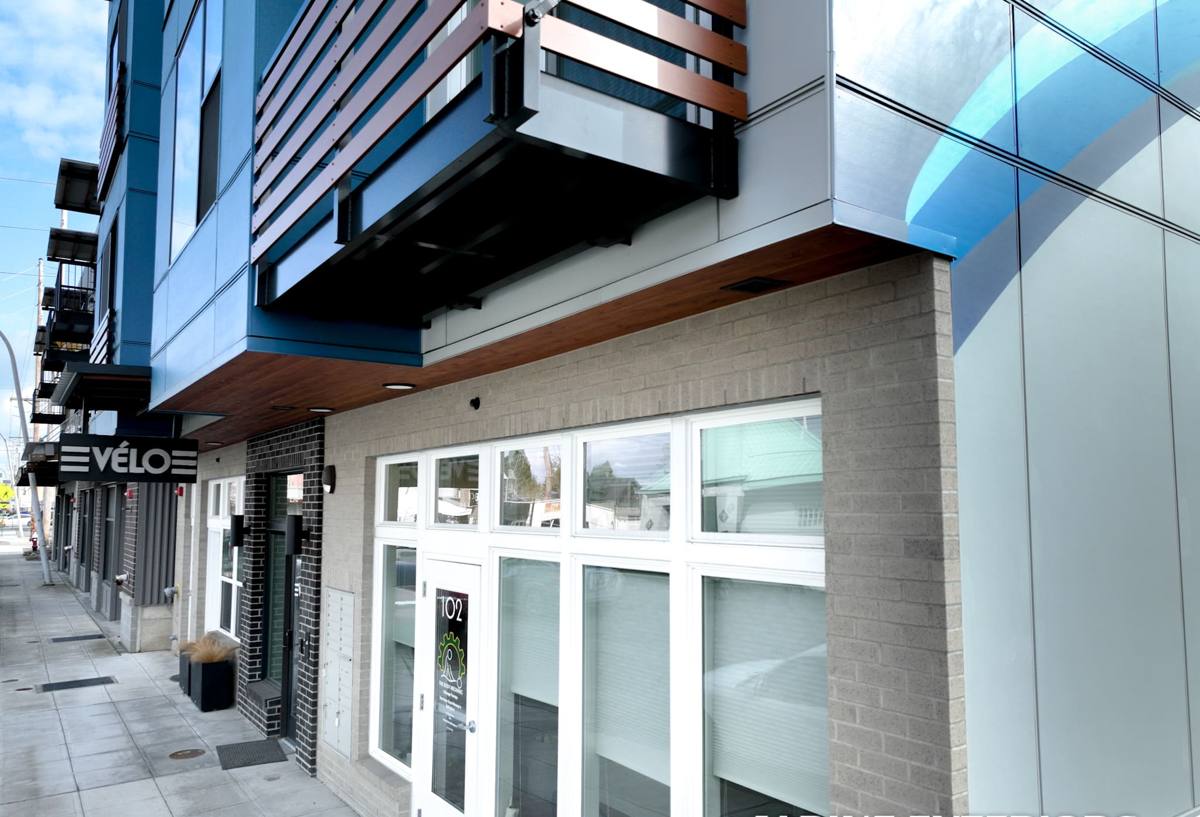
What Salt Air, Driving Rain, and Moss Season Do to Windows Over Time
Three regional conditions matter more here than in most parts of the country:
Salt Air
Proximity to saltwater accelerates corrosion on metal window hardware — hinges, locks, balance mechanisms, and any exposed fasteners. Cheaper hardware finishes pit and seize up faster near the water. This isn't a reason to avoid windows near the coast; it's a reason to pay attention to hardware quality and finish when specifying a window for a Bellingham property.
Driving Rain
Wind-driven rain doesn't just fall on a window, it pushes against it and into every gap it can find. Flat, calm-weather rain rarely causes leaks even on a mediocre install. Sideways rain during a winter system will find any weak point in the flashing or sealant within a season or two. This is why installation technique matters as much as the window product itself.
Moss and Prolonged Dampness
Northwest Washington's long wet season keeps siding, trim, and window sills damp for extended stretches, which is exactly the environment moss and mildew need to take hold. Moss holds moisture against wood trim and can work into hairline gaps around a window opening, keeping that area wetter than the surrounding wall. Over years, that trapped moisture is what causes rot around window openings — not the rain itself, but rain that had nowhere to drain and dry out.
Signs Your Bellingham Home's Windows Need Attention
Because damage from this climate builds slowly, homeowners often don't notice a problem until it's significant. Watch for:
- Fogging or condensation between panes of a double-pane window (a sign the seal has failed)
- Soft or discolored wood trim around the window frame
- Windows that are difficult to open, close, or lock — often a sign of a shifted or swollen frame
- Visible daylight or a noticeable draft around the frame when it's windy
- Paint that's peeling or bubbling specifically around the window opening rather than the whole wall
- A musty smell in the room nearest the window, especially after a stretch of rain
- Moss or dark staining building up on the sill or the trim below the window
Any one of these on its own may be minor. Two or three together, especially fogged glass plus soft trim, usually means it's time to have the window and the opening around it looked at, not just the glass replaced.
What a Correct Window Installation Actually Involves
Replacing a window looks simple from the outside — old one out, new one in — but the parts that actually determine whether the window survives twenty Whatcom County winters happen before the new window ever goes in the opening.
Inspecting and Repairing the Opening
Before a new window goes in, the rough opening needs to be checked for rot, soft framing, or existing water damage. Installing a new window into a compromised opening just hides the problem behind new trim — it doesn't fix it. Any damaged framing or sheathing should be repaired first.
Flashing and Weatherproofing
This is the step that matters most in a climate with driving rain. Proper flashing — at the head, jambs, and especially the sill — directs water that gets behind the siding back out, rather than letting it pool against the window frame or run into the wall cavity. A window can be a premium product and still leak within a year or two if the flashing sequence is wrong or skipped.
Correct Sizing and Fit
A window that's slightly undersized for its opening gets shimmed and gapped, which creates weak points for air and water infiltration. A properly measured and fitted window sits square in the opening with consistent, sealed gaps that are then insulated correctly — not just caulked over.
Insulation and Air Sealing
The gap between the window frame and the rough opening should be filled with a low-expansion foam or backer rod and sealant suited for that gap size — not standard caulk, and not packed too tight, which can bow the frame. This step affects both energy efficiency and how well the window resists condensation on cold, humid days.
Interior and Exterior Finish Work
Trim, casing, and paint or stain should be finished cleanly on both sides, with attention to sealing the exterior trim joints where moss and moisture like to collect.
Cleanup and Disposal
Old windows, packaging, and debris should be hauled off the property — not left for the homeowner to deal with.
Choosing the Right Window Type for a Whatcom County Home
Frame material matters more here than in a drier climate, since the frame is constantly exposed to moisture and salt air. There's no single "best" material for every home — it depends on the home's style, budget, and how much upkeep the owner wants to take on.
| Frame Material | How It Handles This Climate | Maintenance |
|---|---|---|
| Vinyl | Doesn't rot or corrode; performs well in salt air and rain; minimal warping if properly installed | Low — occasional cleaning |
| Fiberglass | Very stable in temperature and moisture swings; strong resistance to warping and corrosion | Low — occasional cleaning |
| Aluminum | Durable but prone to corrosion near saltwater unless it has a marine-grade finish; conducts cold, which can increase condensation | Moderate — finish should be checked periodically |
| Wood | Classic look, but requires diligent sealing and upkeep to resist the region's prolonged dampness and rot risk | Higher — periodic refinishing needed |
| Wood-clad (wood interior, composite/metal exterior) | Combines interior wood appearance with a more weather-resistant exterior shell | Moderate |
For most Bellingham homes we work on, vinyl or fiberglass frames offer the best balance of weather resistance and manageable upkeep. Wood and wood-clad windows can still be the right call for a period-style home or a specific look, as long as the owner understands the added maintenance commitment this climate demands.
Our Installation Process
- On-site assessment — we look at the existing windows and openings, not just take measurements, so we can flag any rot or flashing issues before work starts.
- Free estimate — a clear, itemized quote with no pressure to decide on the spot.
- Product selection — we walk through frame material, glass options, and style choices suited to your home and budget.
- Opening prep and repair — any damaged framing or sheathing is repaired before the new window goes in.
- Installation — proper flashing, sealing, insulation, and fit, following the sequence that actually keeps water out.
- Finish work — interior and exterior trim completed and sealed.
- Cleanup and walkthrough — debris removed, windows tested, and any questions answered before we consider the job done.
Cost Factors for Window Installation in Bellingham
Every home is different, so we don't publish flat per-window pricing — but these are the main factors that move a quote up or down:
| Factor | Why It Affects Cost |
|---|---|
| Frame material | Vinyl is typically the most economical; fiberglass and wood-clad cost more upfront but may cost less to maintain over time |
| Window size and style | Larger windows, custom shapes, or specialty configurations (bay, picture, casement) cost more than standard sizes |
| Condition of the existing opening | Rot or water damage found during removal adds repair time before the new window can go in |
| Number of windows | Whole-house replacements typically bring a lower per-window cost than single replacements |
| Glass package | Double vs. triple pane, and low-E or gas-fill options, affect both price and long-term energy performance |
| Access and site conditions | Second-story windows or difficult access can add labor time |
We give you the real number after we've actually looked at the windows and openings — not a phone estimate that changes once we're on site.
Why Hiring a Crew That Already Works in Bellingham Matters
A window installer who mostly works dry, inland jobs may not think twice about flashing sequence or hardware corrosion resistance, because it rarely bites them. A crew that regularly works Whatcom County homes has already seen what driving rain and salt air do to a shortcut install a few winters later, and builds around it from the start. That local experience shows up in details like sill flashing, sealant selection, and hardware choices that a generic install might skip.
It also means faster response if something needs attention after the install — a local crew isn't driving hours to get back to a job they did last year.
Get a Free, No-Pressure Estimate
If your Bellingham home has windows showing signs of wear, or you're planning ahead for a full replacement, we're happy to come take a look. There's no obligation and no pressure — just a straight assessment of what your windows need and what it would cost to fix it right. The form below will get you started.