 Blaine Exterior
 Lynden sits far enough inland from the Strait of Georgia that some homeowners assume their windows get an easier ride than houses closer to the water in Blaine. In practice, the difference is smaller than people think. Whatcom County's weather pattern — long stretches of low pressure moving in off the water, wind-driven rain that comes at the house sideways rather than straight down, and a wet season that can run from October into May — puts the same basic stress on window assemblies whether a house sits three miles or thirty miles from the coast. Add in the moss and algae growth that thrives on shaded north and west-facing walls through a Pacific Northwest winter, and window trim, sills, and flashing details take a beating year after year.
This page covers what we actually do when a Lynden homeowner calls us for custom windows — not a generic national-brand pitch, but the specific things that matter for houses in this part of Whatcom County.
What "Custom" Actually Means Here
Custom windows aren't just windows in an unusual size. For Lynden homes, "custom" usually means one or more of the following:
- Replacement units built to fit an older, non-standard rough opening instead of resizing the framing to fit a stock window
- Matching a specific grille pattern, sash proportion, or trim profile so a replacement doesn't look out of place next to original windows staying in the house
- Custom colors or exterior finishes to match siding, trim, or a specific architectural style common on older farmhouses and mid-century homes in this area
- Non-standard shapes — arched tops, specialty transoms, or oversized picture windows — that require made-to-order glass and framing
- Impact- or wind-rated glazing packages for exposed walls that take the brunt of storms moving through the valley
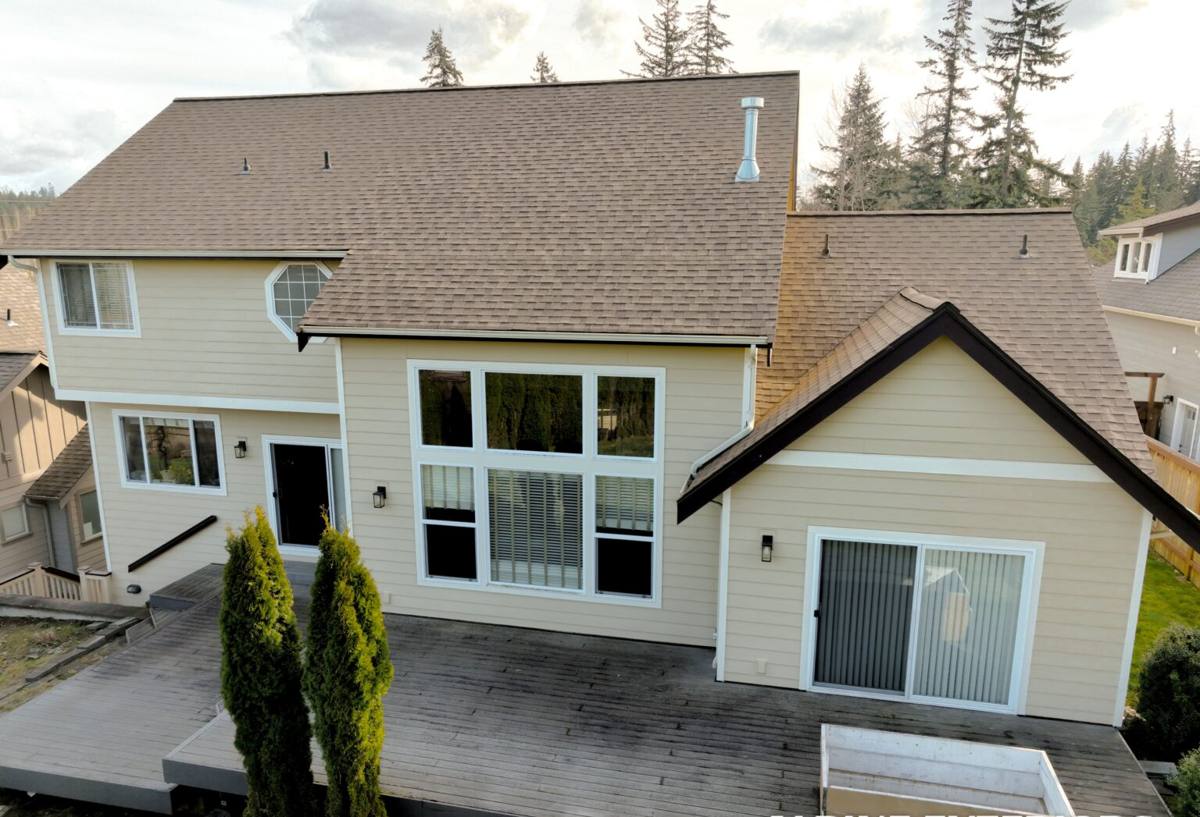
Most of the window work we do around Lynden falls into that first category: full-frame or insert replacements on farmhouses, ranch homes, and older two-story houses where the original openings don't match anything sold off the shelf.
Why Whatcom County Weather Drives the Details
Wind-driven rain
A storm moving through Whatcom County doesn't just drop rain — it pushes it sideways under eaves and into any gap in a window's flashing. The single biggest cause of window-related rot we find in this area isn't a bad window unit; it's a flashing detail that was never sealed correctly, or a sill pan that was skipped altogether during a past installation. We treat flashing and sill pan work as the non-negotiable part of the job, not an upsell.
Moss and algae season
Shaded exterior walls in Lynden — especially north-facing walls near mature trees or fence lines — grow moss and algae on wood trim, vinyl cladding, and even window sills if moisture sits there long enough. Moss holds water against a surface far longer than open air would, which accelerates wood rot and can stain vinyl and fiber-cement trim. Part of a correct install is detailing sills and trim so water sheds cleanly instead of pooling where moss can take hold.
Temperature swings and condensation
Whatcom County winters aren't extreme, but the combination of cool, damp air outside and warm, humid air inside (especially in kitchens, bathrooms, and homes with newer, tighter insulation) can cause condensation on interior glass and sash if the window's thermal performance and interior humidity aren't reasonably matched. We factor this into glass package recommendations rather than defaulting to whatever is cheapest.
What a Correct Installation Actually Involves
A window replacement that looks right on installation day but fails in three years almost always failed at one of these steps, not at the window unit itself:
- Remove the old unit and inspect the rough opening. This is where hidden rot, old caulk-only "flashing," or previous shortcuts get found. We don't skip this step even on jobs that look straightforward from outside.
- Repair or rebuild the opening if needed. Any soft or water-damaged framing gets addressed before a new window goes in. Installing a new window into a compromised opening just delays the same failure.
- Install a proper sill pan and flashing sequence. Water management is layered — sill pan, side flashing, head flashing — installed in the correct shingle-lap order so water is always directed outward and down, never trapped behind the window.
- Set and shim the window level, plumb, and square. A window that's slightly out of square will bind, won't seal evenly, and will wear its weatherstripping unevenly over time.
- Insulate the gap correctly. Low-expansion foam or backer rod and sealant around the frame — never packed too tight, which can bow the frame and affect operation.
- Finish exterior trim and seal. Trim, caulking, and paint or finish work sized and detailed to shed water, not just look finished on install day.
- Final operation check. Every sash opens, closes, and locks correctly before we consider the job done.
Choosing a Glass and Frame Package
There's no single "best" window for every Lynden house — the right choice depends on the wall's sun and wind exposure, the home's age and style, and the budget. Here's how we walk homeowners through the trade-offs:
| Factor | What to consider |
|---|---|
| Frame material | Vinyl is low-maintenance and cost-effective for most replacement jobs; wood and wood-clad offer a traditional look on older homes but need more upkeep; fiberglass holds up well to temperature swings and takes paint if you want to match custom trim. |
| Glass package | Double-pane low-E glass is standard for this climate; a warmer edge spacer and gas fill help reduce condensation risk on cooler, damp walls. |
| Exposure | Walls that take direct wind-driven rain (typically west and south-facing) benefit from extra attention to flashing and, on some homes, upgraded weatherstripping or a heavier-duty frame. |
| Operation style | Casement windows seal tighter against wind-driven rain than sliders because the sash compresses against the frame; double-hung windows are easier to service but have more moving seals to maintain. |
| Finish | Factory-finished exterior colors hold up better than field-painted trim in a wet climate, since the finish is cured under controlled conditions. |
Our Process for Lynden Jobs
The process is the same core steps whether it's two windows or a whole-house replacement, scaled to the size of the job:
- On-site assessment: We look at the actual openings, note any signs of past water intrusion, and measure for the specific windows involved — not just a phone estimate.
- Written proposal: Clear scope, glass and frame specs, and a real price — no vague allowances that turn into surprise add-ons mid-project.
- Scheduling around weather: Openings are only exposed to the elements for as long as necessary; we plan around forecasted rain rather than leaving a house open and hoping.
- Daily cleanup: Multi-day jobs get cleaned up and secured at the end of each day — no open walls left overnight.
- Walkthrough at completion: We go through every window's operation and the finished exterior detailing with the homeowner before calling the job done.
Signs Your Current Windows Are Past Their Service Life
Not every window that looks old needs replacing, and not every drafty window is actually failing. Here's what we actually check for:
- Visible fog or moisture between panes — a sign the seal on a double-pane unit has failed
- Soft or discolored wood at the sill or bottom corners of the frame, often the first sign of a flashing failure
- Moss or dark staining building up on the sill or trim that keeps coming back after cleaning
- Windows that are difficult to open, close, or lock — often a sign the frame has shifted or swelled
- Noticeable draft or cold spot near the window even when it's fully closed
- Paint or finish that's peeling specifically around the window opening, rather than the wall generally
If you're only seeing one or two of these, a repair or targeted resealing may solve it. If several are present, especially sill rot, that's usually a sign the whole unit and its flashing need to come out.
Maintenance That Actually Extends Window Life
Even a well-installed window needs some upkeep in this climate. The maintenance that matters most for Lynden homes:
| Task | Why it matters here |
|---|---|
| Clear moss and debris from sills each fall | Prevents standing moisture from sitting against wood or trim through the wet season |
| Check and refresh exterior caulk lines every couple of years | Caulk is a wear item, not a permanent seal — it's the first line of defense against wind-driven rain |
| Keep gutters and downspouts clear | Overflowing gutters dump extra water directly onto walls and window heads |
| Operate and lubricate hardware seasonally | Locks and hinges that sit unused can stiffen or corrode faster in damp air |
| Trim back vegetation near shaded walls | Improves airflow and sun exposure, slowing moss and algae growth around windows |
Why Local Installation Experience Matters
Window installation instructions from a manufacturer assume generic conditions. They don't account for a specific wall's exposure to wind-driven rain off the valley, or the fact that a shaded north wall in Lynden is going to hold moisture longer than a south-facing wall on the same house. A crew that works this area regularly has already seen which flashing details hold up here and which ones fail early, and adjusts accordingly instead of installing strictly to a generic spec sheet.
That local pattern recognition is also why we don't push every job toward the cheapest possible glass and frame combination. A window that's marginal for this climate might be fine somewhere drier, but it's a callback waiting to happen on an exposed wall in Whatcom County. We'd rather explain the trade-off honestly upfront than sell a package we know is a poor fit.
Get a Straight Answer on Your Windows
If you're dealing with drafts, fogged glass, sticking sashes, or trim that's showing signs of water damage, we're happy to take a look and give you a clear, honest read on whether it's a repair or a replacement situation — no pressure either way. Fill out the form below to schedule a free estimate for your Lynden home.