 Blaine Exterior
 Cherry Point Roofs Face a Different Kind of Weather
Cherry Point sits close enough to the water that homes here take on a steady diet of salt-laden air, wind-driven rain, and long stretches of gray, damp weather that never quite lets a roof dry out. That combination is harder on roofing materials than most homeowners realize. It's not just the occasional windstorm that causes damage — it's the accumulated effect of salt air working into fasteners and flashing, driving rain finding the smallest gap in a seal, and moss quietly lifting shingles for months before anyone notices a leak.
When a storm does roll through Whatcom County, it usually isn't a single dramatic event that causes the damage — it's a strong wind event landing on a roof that was already weakened by months of moisture exposure. That's why storm damage repair in this area needs to account for more than the obvious broken or missing shingles. A proper repair looks at the whole roof system, not just the spot that's obviously damaged.
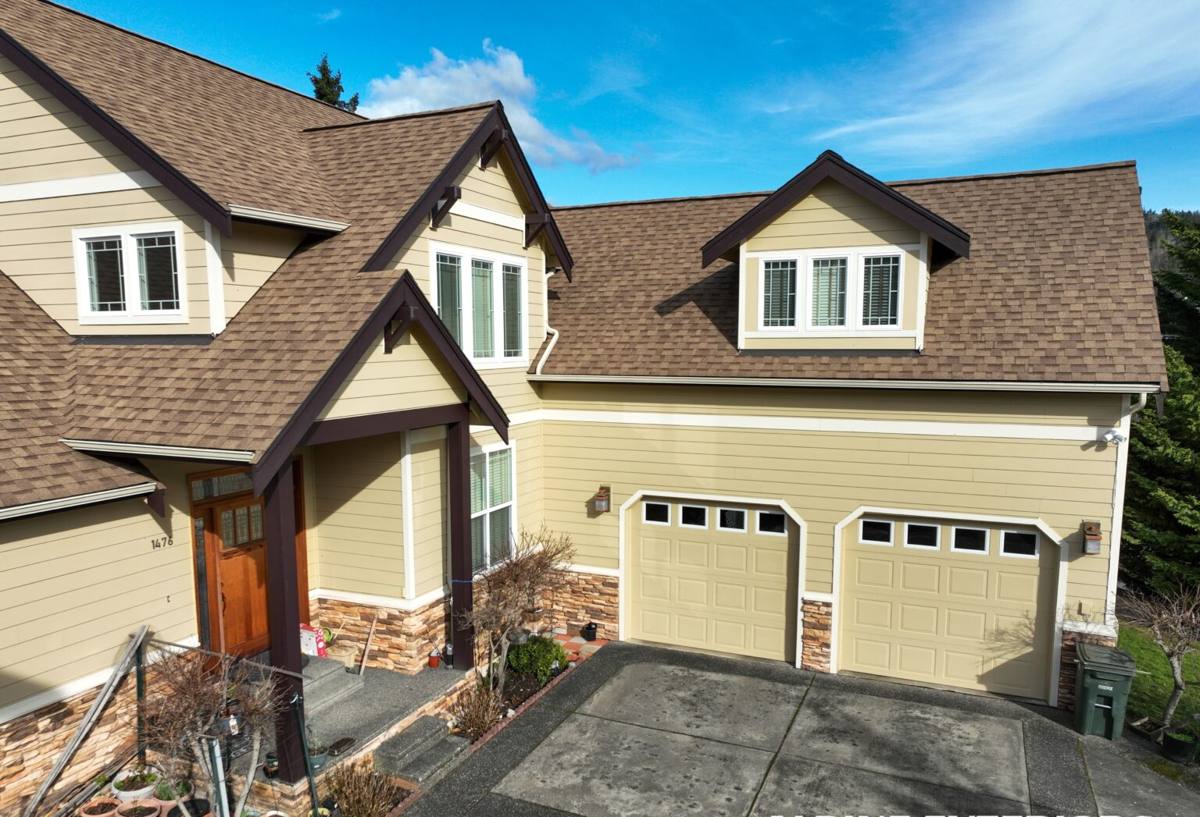
What Actually Counts as Storm Damage
Homeowners often assume storm damage means a tree branch through the roof or a section of shingles peeled back where everyone can see it. Sometimes that's exactly what happens. More often, the damage is quieter and easier to miss.
Common Storm-Related Issues We See
- Shingles lifted or cracked at the tab by sustained wind, even if none blew off entirely
- Flashing around chimneys, vents, and skylights knocked loose or bent enough to let water track underneath
- Granule loss from wind-driven rain and debris, which accelerates aging even without a visible hole
- Gutter and downspout damage that causes water to back up under the roof edge
- Fastener loosening from repeated flexing during wind gusts, which shows up as a leak weeks later
The tricky part is that a roof can look intact from the ground after a storm and still be compromised underneath. That's the main reason we recommend a professional look after any significant wind or rain event, rather than waiting for a leak to show up inside the house.
Why Salt Air and Moss Change the Repair Approach
Salt Air and Metal Components
Homes near Cherry Point deal with airborne salt that settles on roofing metal — flashing, fasteners, vents, and drip edge — and accelerates corrosion compared to inland properties. A storm repair that only patches shingles and ignores corroding fasteners or flashing is a short-term fix. We check the condition of exposed metal as part of any storm repair, because a roof is only as good as the flashing details that tie it together.
Moss and Trapped Moisture
Long stretches of damp, mild weather make this a good climate for moss, and moss does more than look bad. It holds moisture against the shingle surface, works its way under tabs, and can lift shingles just enough for wind to get underneath during the next storm. A roof with an existing moss problem is more vulnerable to storm damage than a clean one, and a repair that doesn't address moss growth nearby is likely to see the same spot fail again.
Hidden Damage: What Homeowners Often Miss
Some of the most costly roof problems we find start small and go unnoticed for a season or more. After wind or heavy rain, it's worth checking for the following before assuming everything is fine:
- Water stains or discoloration on ceilings or in the attic, even faint ones
- Soft or spongy spots when walking the attic floor near the roofline
- Shingles that look slightly out of alignment compared to the surrounding field
- Granules collecting in gutters or at the base of downspouts
- Daylight visible through the roof deck from inside the attic
- Musty smell in upper rooms or closets along an exterior wall
None of these guarantee a serious problem, but any of them is a reason to get a roof looked at rather than wait.
What a Correct Storm Damage Repair Involves
A repair done right addresses the cause of the damage, not just the visible symptom. That generally means:
1. A Full Inspection, Not a Spot Check
We look at the entire roof plane, not just the area the homeowner points to. Wind damage often extends beyond the obviously affected section, and it's common to find a second problem area that hasn't caused a leak yet.
2. Matching Materials and Technique
Patching in new shingles that don't match the existing roof's age, color, or exposure can create a visible mismatch and, more importantly, a repair that doesn't perform the same as the surrounding roof. We match materials and installation method to what's already there whenever the roof is a reasonable candidate for a targeted repair.
3. Flashing and Fastener Review
Given how salt air affects metal components here, we check flashing and fasteners in and around the repair area, not just the shingles themselves.
4. Documentation for Insurance
If the damage may be covered by a homeowner's insurance policy, we document the damage with photos and a written scope before starting work, which makes the claims process more straightforward.
Repair or Replace: How We Help You Decide
Not every storm-damaged roof needs a full replacement, and not every roof is a good candidate for another round of patching. The right call depends on the roof's age, how much of it is affected, and its overall condition going into the storm.
| Factor | Leans Toward Repair | Leans Toward Replacement |
|---|---|---|
| Roof age | Under 10-12 years, in generally good shape | Nearing or past typical service life for the material |
| Extent of damage | Isolated to one section or a few spots | Spread across multiple areas or slopes |
| Existing moss/moisture history | Minimal, well-maintained roof | Ongoing moss issues or prior moisture damage found underneath |
| Underlying deck condition | Solid, dry decking under the damaged area | Soft, stained, or rotting decking discovered during inspection |
| Insurance scope | Adjuster approves a repair-only scope | Adjuster determines full slope or full roof replacement is warranted |
We'll walk through where your roof falls on this list honestly, including cases where a repair is the right and more economical choice — we're not going to push a full replacement when a proper repair will hold up.
Our Process for Cherry Point Storm Repairs
- Inspection: We assess the full roof, attic access where possible, and flashing details, not just the reported damage area.
- Written scope and photos: You get a clear explanation of what we found and what we recommend, useful whether or not insurance is involved.
- Repair or replacement: Work is scheduled around weather windows, since a repair job done in the wrong conditions doesn't seal properly.
- Cleanup and final check: We clear debris, check gutters and downspouts for storm-related buildup, and confirm the repair area sheds water correctly.
Why Local Experience in Cherry Point Matters
A crew that regularly works roofs in and around Blaine and Whatcom County knows what salt air does to flashing over time, how aggressive the moss season is here, and which roof details tend to fail first in this specific climate. That's different knowledge than a general contractor brings to a one-off job. It also means we can respond faster after a regional storm event, since we're not driving in from out of the area.
We also know that Cherry Point homes vary — some sit more exposed to wind and salt spray, others are more sheltered by trees or terrain. A repair plan for one isn't automatically right for the other, and an inspection should reflect that rather than applying a one-size approach.
After the Repair: Reducing the Next Storm's Impact
A storm repair is a good moment to address conditions that made the damage worse in the first place. That usually means:
- Clearing moss and treating the roof surface if growth is present, to reduce lifted shingles before the next windstorm
- Confirming gutters and downspouts are clear and properly pitched so water doesn't pool at the roofline
- Checking attic ventilation, since poor airflow keeps moisture trapped and speeds up material breakdown
- Trimming back branches that could contact the roof in high wind
None of this needs to happen the same day as the repair, but it's worth discussing while we're already on the roof looking at the damage.
Get a Straight Answer About Your Roof
If a recent storm has you wondering whether your roof needs attention, or you've noticed a spot that doesn't look right, it's worth having it looked at before the next round of Whatcom County weather moves through. We're happy to come out, walk the roof, and give you an honest read on what's actually going on — no pressure, no upsell. Reach out for a free estimate using the form below.