 Blaine Exterior
 Windows Built for the California Creek Climate
California Creek sits close enough to the water that homes here take a different kind of weather beating than houses further inland. Salt-laden air off the Strait of Georgia and Semiahmoo Bay works into window hardware and seals year-round, driving rain gets pushed sideways into frames during winter storms, and the long stretch of gray, damp months between fall and spring keeps everything at or near saturation for weeks at a time. Windows in this neighborhood aren't just letting light in — they're one of the main things standing between your living room and that weather, every single day.
When we talk about energy-efficient windows for a California Creek home, we mean windows chosen and installed specifically to hold up under those conditions while cutting your heating bill. A window that's rated well for energy performance but installed without attention to this area's wind-driven rain and salt exposure will underperform here even if it would've been fine somewhere drier and more sheltered.
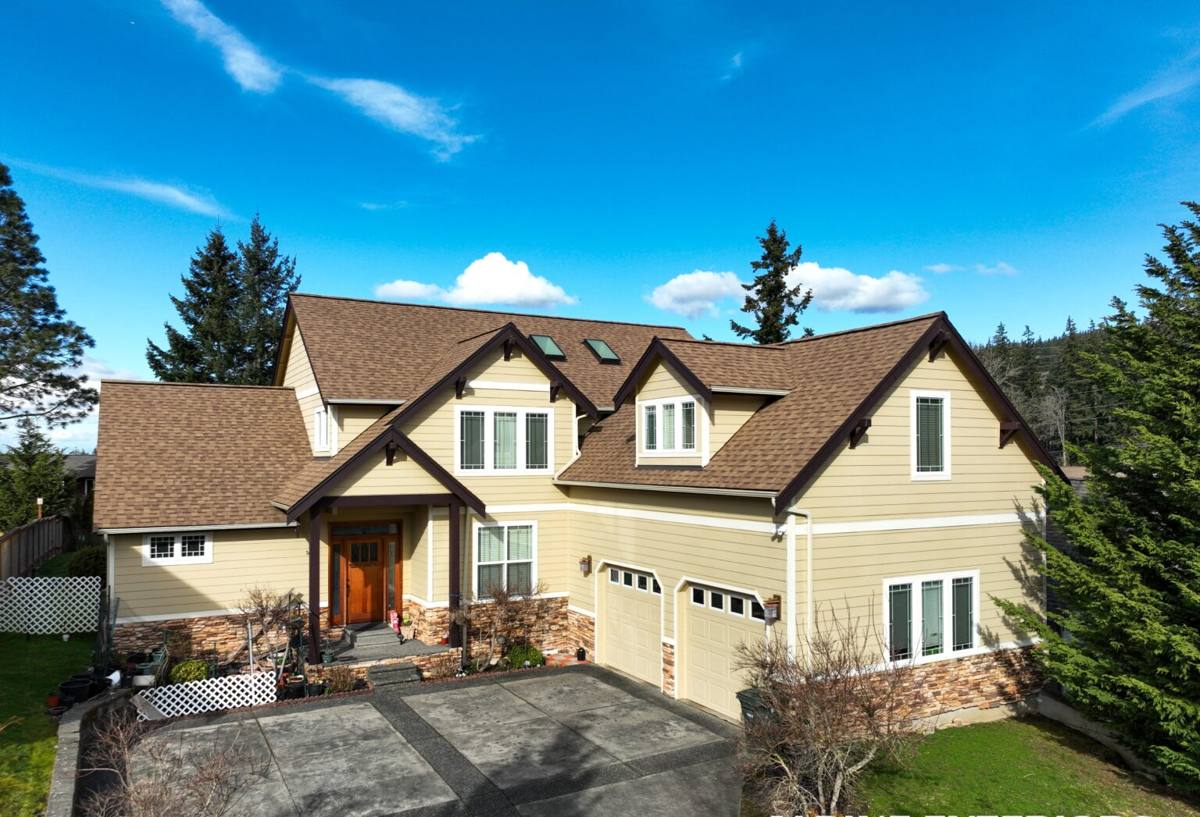
Why Old Windows Cost You More Than You Think in This Neighborhood
Most of the homes we look at in this part of Blaine are dealing with one or more of the same issues: single-pane or early dual-pane glass from decades ago, wood or aluminum frames that have taken on moisture damage, and hardware that's corroded from years of salt air. None of these show up as a single dramatic failure. Instead, they show up as a furnace that runs more than it should, cold spots near the glass in January, condensation building up between panes, and window sashes that stick or won't latch tight anymore.
What Salt Air and Moisture Actually Do
- Corrodes aluminum frames and hardware, causing pitting, discoloration, and stuck or failed locks
- Breaks down old seals and glazing compounds faster than in drier inland areas
- Accelerates wood rot at sills and corners where water sits after driving rain
- Feeds moss and algae growth on north- and west-facing exteriors, which holds moisture against frames longer
- Causes failed insulated glass units (fogging between panes) sooner than the manufacturer's rated lifespan
None of this happens overnight. It's cumulative, which is why a window that looks fine from across the room can already be losing you real energy — and money — every month.
What "Energy-Efficient" Actually Means for This Job
Energy efficiency in a window isn't one spec, it's a combination of the glass package, the frame material, and how tight the installation is. For a California Creek home, we're weighing all three against a coastal, high-rainfall climate — not just picking the highest-rated window off a spec sheet.
| Factor | Why It Matters Here |
|---|---|
| U-factor (heat loss) | Lower U-factor keeps heat inside during Whatcom County's long, damp, cool season — this is the single biggest driver of your heating bill |
| Frame material | Vinyl and fiberglass resist salt corrosion far better than bare aluminum; this matters more here than in inland Washington |
| Glass package (Low-E, gas fill) | Reduces heat loss and condensation risk, which matters given how much moisture sits in the air near the water |
| Weatherstripping and seal design | Has to resist wind-driven rain pushed sideways during winter storms, not just still-air drafts |
| Installation flashing and sealants | Determines whether water that reaches the frame gets shed outward or works its way into the wall — this is where most failures actually start |
That last row is the one people underestimate most. A high-end energy-efficient window installed with poor flashing will leak, rot the surrounding wall, and lose its efficiency rating within a few years. The window product only performs as well as the installation around it.
Frame Material: What We Recommend and Why
For most California Creek homes, we steer clients toward vinyl or fiberglass frames over bare aluminum. It's not that aluminum windows are bad products — it's that uncoated or poorly finished aluminum corrodes faster in salt air, and once pitting starts, it compromises the seal and the look of the frame at the same time. Vinyl and fiberglass hold up to salt exposure with far less long-term maintenance, which matters when you're this close to the water. Wood-clad options can work too, but they demand more upkeep in a climate this wet, and we'll be upfront with you about that trade-off before you commit to one.
What a Correct Installation Involves
The window itself is maybe half the job. The other half is everything around it — and it's the part that determines whether you get 20-plus years of performance or a callback in three years for water intrusion.
- Remove the old window and inspect the rough opening for hidden rot, especially at the sill, before anything new goes in
- Repair or replace any damaged framing found during removal — never install a new window over a compromised opening
- Install proper flashing that directs water outward and downward, layered correctly with the house wrap or building paper
- Set the window plumb, level, and square, with shims placed to avoid distorting the frame
- Seal and insulate the gap between the window and rough opening with the right materials — not just spray foam alone
- Apply exterior sealant at the correct joints, leaving weep paths clear so any incidental water can still drain
- Test operation and locking hardware before calling the job done
Skipping or rushing any one of these steps is how a good window ends up performing like a bad one within a few winters.
Moss, Rain, and the Exterior Around Your Windows
California Creek's tree cover and shaded lots mean moss isn't just a roof problem — it creeps onto siding, trim, and window sills too, especially on the north and west sides of a house that don't get much direct sun. Moss and algae hold moisture against wood trim and frame edges, which speeds up rot and paint failure right around the window opening. Part of doing this job right is making sure the trim and flashing detail around your new windows sheds water instead of letting it pool where moss can take hold. If your existing trim is already showing moss growth or soft spots, we'll flag that during the estimate rather than install new windows into trim that's already failing.
Our Process for a California Creek Window Job
1. On-Site Assessment
We walk the exterior with you, check existing frames and sills for rot or corrosion, and note which sides of the house take the worst of the wind-driven rain. This tells us where extra attention to flashing and sealing matters most.
2. Product Recommendation
We'll talk through frame material, glass package, and grade options based on what we found — and we'll explain the trade-offs honestly, including where a lower-cost option is genuinely fine versus where it'll cost you more in five years.
3. Installation
Old windows come out, openings get inspected and repaired as needed, and new units go in following the sequence above — flashing, shimming, sealing, and testing, in that order, every time.
4. Final Walkthrough
We check operation, locks, and seals with you before we consider the job finished, and we'll point out any maintenance items — like keeping weep holes clear or watching a trim spot for moss — that'll help the windows last.
Cost Factors to Expect
We don't post fixed prices because every job depends on window count, size, frame material, and what we find once old windows come out — but here's what actually moves the number up or down.
| Factor | Effect on Cost |
|---|---|
| Frame material (vinyl vs. fiberglass vs. wood-clad) | Fiberglass and wood-clad typically cost more upfront than vinyl |
| Glass package (standard Low-E vs. triple-pane) | Higher-performance glass adds cost but lowers long-term heating bills |
| Hidden rot or framing damage | Adds labor and material cost, but skipping repair guarantees a future failure |
| Window count and size | Larger openings and full-house replacements have per-unit efficiencies over single swaps |
| Access and site conditions | Second-story or hard-to-reach windows add labor time |
Why Hire a Crew That Already Works in California Creek
A window contractor who mostly works drier, inland jobs may not think twice about wind-driven rain direction, salt exposure on hardware, or how moss holds moisture against trim — because it's not what they deal with day to day. We work Blaine and the surrounding Whatcom County coastline regularly, so we're not guessing at how this neighborhood's weather treats a window installation. We know which sides of a house typically take the worst of the storms coming off the water, and we build the flashing and sealing details around that from the start, not as an afterthought.
If your windows are drafty, fogged, hard to operate, or just old enough that you're wondering whether it's time, we're happy to come take a look. Reach out for a free, no-pressure estimate — we'll walk the exterior with you, tell you honestly what we see, and give you options that fit your home and your budget.