 Blaine Exterior
 Why California Creek Decks Need a Different Kind of Build
California Creek sits close enough to the water that its homes deal with a combination most inland decks never face: salt-laden air, wind-driven rain that gets pushed sideways under railings and into ledger boards, and a long, damp moss season that turns untreated surfaces slick for months at a time. A deck built to a generic national spec will survive here for a while. A deck built for this specific stretch of Blaine, Washington will still be tight, dry, and safe to walk on ten and fifteen years out. The difference isn't cosmetic — it's in the fasteners, the flashing, the framing details, and the decking material chosen for this particular yard.
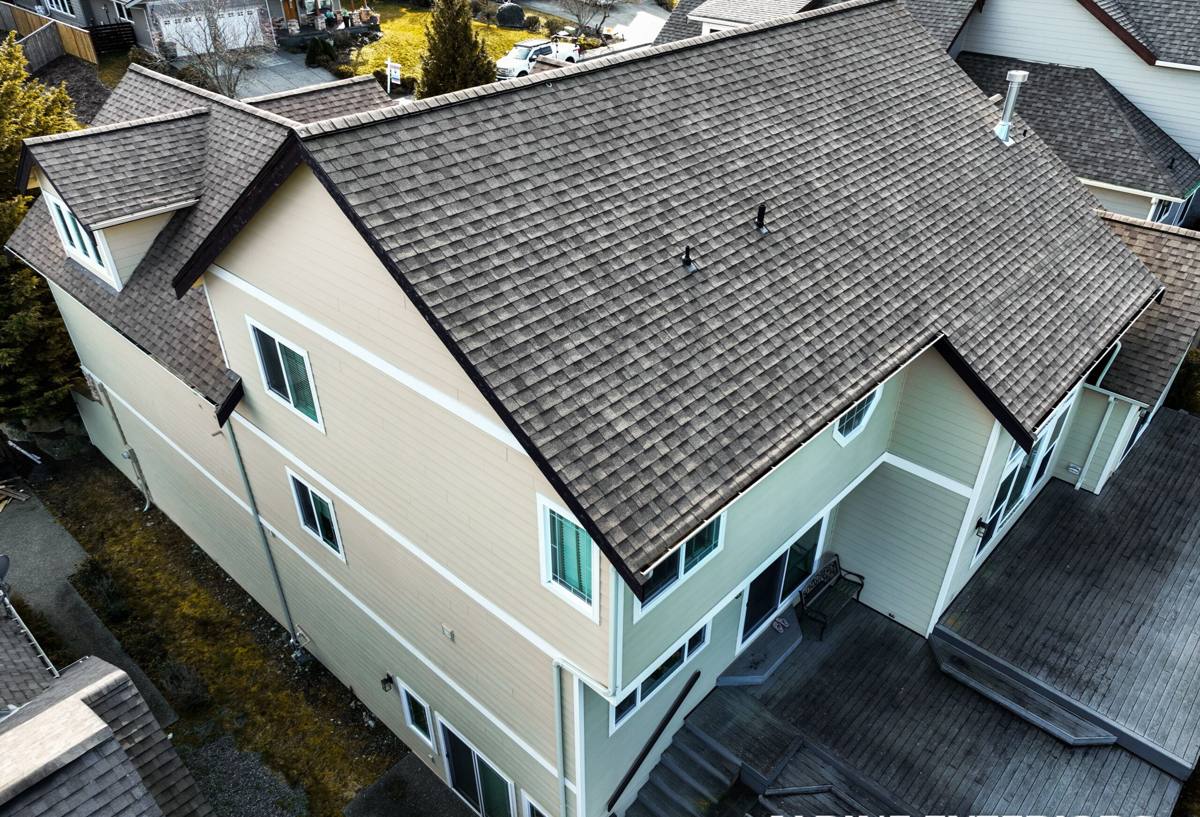
What Blaine's Climate Actually Does to a Deck
Salt Air and Metal Fasteners
Proximity to Semiahmoo Bay and the Strait of Georgia means the air carries salt even on a calm day. Standard zinc-coated deck screws and joist hardware corrode faster here than they would inland, and once a fastener starts rusting, it weakens the connection long before it becomes visible from the surface. This is one of the most common problems we find when we inspect older decks in the area — the wood looks fine, but the hardware holding it together doesn't.
Driving Rain and Ledger Connections
Rain in this part of Whatcom County rarely falls straight down. Wind pushes it sideways, which means it finds its way behind poorly flashed ledger boards, under loose fascia, and into any gap where the deck meets the house. A ledger board is the single most important structural connection on an attached deck, and it's also the single most common place we find rot on decks that were built without proper flashing.
Moss Season and Walking Surfaces
Blaine's wet season stretches long, and any horizontal wood surface that doesn't drain and dry quickly will grow moss and algae. On decking, that means slick spots on stairs and high-traffic areas — a real fall hazard, not just an appearance issue. Board spacing, slope, and material choice all affect how fast a deck dries out between rains.
What a Correctly Built Deck Involves
A deck that's actually built for California Creek's conditions gets attention in places that don't show up in a quick visual inspection:
- Corrosion-resistant, coastal-rated fasteners and structural hardware throughout — not just at the ledger
- Proper self-adhered flashing membrane behind the ledger board and at any point the deck ties into the house envelope
- A slight slope built into the decking surface so water sheds instead of pooling
- Board spacing sized for drainage and airflow underneath, not just appearance
- Footings set to the proper frost and bearing depth for the soil on the lot
- Joist tape or a moisture barrier on top of framing members to slow rot at the fastener penetration points
Skip any one of these and the deck may still look good on move-in day — the problems just take a few wet seasons to surface.
Decking Material Options for This Area
There's no single "best" decking material for every California Creek property — it depends on budget, how much upkeep you want to do, and how much sun or shade the deck gets. Here's how the common options actually perform under Blaine's salt air and rain:
| Material | Moss/Moisture Resistance | Maintenance | Typical Lifespan Here |
|---|---|---|---|
| Pressure-treated wood | Fair — needs sealing to perform well | Annual cleaning and re-sealing | 10-15 years with upkeep |
| Cedar | Good natural resistance, but surface still needs care | Periodic cleaning, occasional sealing | 15-20 years with upkeep |
| Capped composite | Very good — resists moisture absorption | Occasional washing, no sealing | 25-30+ years |
| PVC decking | Excellent — essentially non-absorbent | Occasional washing only | 25-30+ years |
Wood costs less up front and has a warmer, natural look many homeowners want, but it asks for more of your time every year to stay ahead of moss and rot in this climate. Capped composite and PVC cost more initially but hold up with far less intervention — a real consideration for a deck that's going to face this much rain and salt air every year. We'll walk through the real trade-offs for your specific spot, including sun exposure and how close the deck sits to the water, before recommending a material.
Substructure and Fastener Standards We Don't Cut Corners On
Framing and Hardware
Every joist hanger, post base, and structural screw we use is rated for the exposure this location sees — not the minimum a building code allows in a drier inland town. It costs a little more up front and it's invisible once the decking is down, but it's the difference between a deck that needs hardware replaced in year eight and one that doesn't.
Ledger Flashing and Moisture Barriers
We treat the ledger connection as the highest-risk point on the whole structure and flash it accordingly, with a proper moisture barrier between the ledger and the house sheathing. This is also where we most often find shortcuts on older decks we're asked to repair or replace.
Footings for Local Soil and Frost Conditions
Footing depth and bearing size need to match the soil conditions on your specific lot and the local frost depth requirements. We don't guess on this — it's calculated per project and confirmed against Whatcom County building requirements before we pour.
Railings, Stairs, and Surface Details Near the Water
Railing Material
Railings take direct salt spray and rain exposure with nowhere to drain, so hardware and connection points matter as much here as anywhere else on the deck. We match railing material and fastener choice to the same coastal-duty standard as the rest of the build.
Stair Treads and Grip
Stairs are where moss-related slips actually happen, since they see foot traffic even when the rest of the deck doesn't dry out. We pay particular attention to tread drainage and, where a client wants extra grip, texture or grooved board orientation on stair treads.
Drainage and Slope
Getting the slope right across the whole deck surface — not just individual boards — is what keeps standing water from ever having a chance to sit long enough to grow moss in the first place.
Our Deck Building Process
- Site visit and assessment — we look at sun exposure, drainage, soil, and how exposed the deck will be to wind-driven rain and salt air off the water
- Design and material selection — we go over decking and railing options honestly, including upkeep expectations for each
- Permitting — we handle the permit process with the relevant local building department so the project is inspected and compliant
- Framing and structural build — footings, framing, ledger flashing, and hardware installed to coastal-duty standards
- Decking, railing, and stairs — installed with proper spacing, slope, and fastening for long-term performance
- Final walkthrough — we go over the finished deck with you and explain what maintenance it will actually need
Maintenance Checklist for a California Creek Deck
Whatever material you choose, a little seasonal attention goes a long way in this climate:
- Clear leaves and debris from between boards before the wet season sets in
- Rinse or wash the surface periodically to remove salt residue and slow moss growth
- Check railing and stair connections annually for looseness or corrosion
- Re-seal wood decking on the manufacturer's recommended schedule — don't wait until it looks dry and gray
- Keep gutters and downspouts near the deck clear so runoff isn't dumping extra water onto the structure
- Watch for soft spots near the ledger board, which can signal a flashing failure
Why a Crew That Already Works in California Creek Matters
Building decks around Blaine and the rest of Whatcom County's coastline means already knowing which fastener grades hold up, how deep footings need to go in local soil, and where flashing failures actually start on this type of home. That's knowledge you build by working in this specific environment repeatedly, not by following a generic national spec sheet. It shows up in the details you can't see once the project is finished — the hardware behind the decking, the flashing behind the ledger, the slope built into the framing — which is exactly where a deck built for the wrong climate starts to fail first.
If you're planning a new deck or replacing one that's showing its age, we're happy to take a look and walk you through honest options for your property. Use the form below to request a free, no-pressure estimate.