 Blaine Exterior
 Board & Batten Siding for Everson Homes
Board and batten is one of the most requested siding styles we get calls about in Everson — and for good reason. The vertical lines read as clean and modern on newer builds, but the same profile also suits farmhouses, barns-turned-homes, and the mix of older and newer construction scattered around this part of Whatcom County. It's a style choice first, but out here it also has to hold up as a functional choice. Everson sits inland from the coast but still gets the full range of what Pacific Northwest weather throws at a house — sustained wet seasons, wind-driven rain, and long stretches of gray, damp air that never quite dries a wall assembly out between storms. Any siding product that looks good on day one but can't shed water and resist moss for twenty years isn't worth putting on a home here.
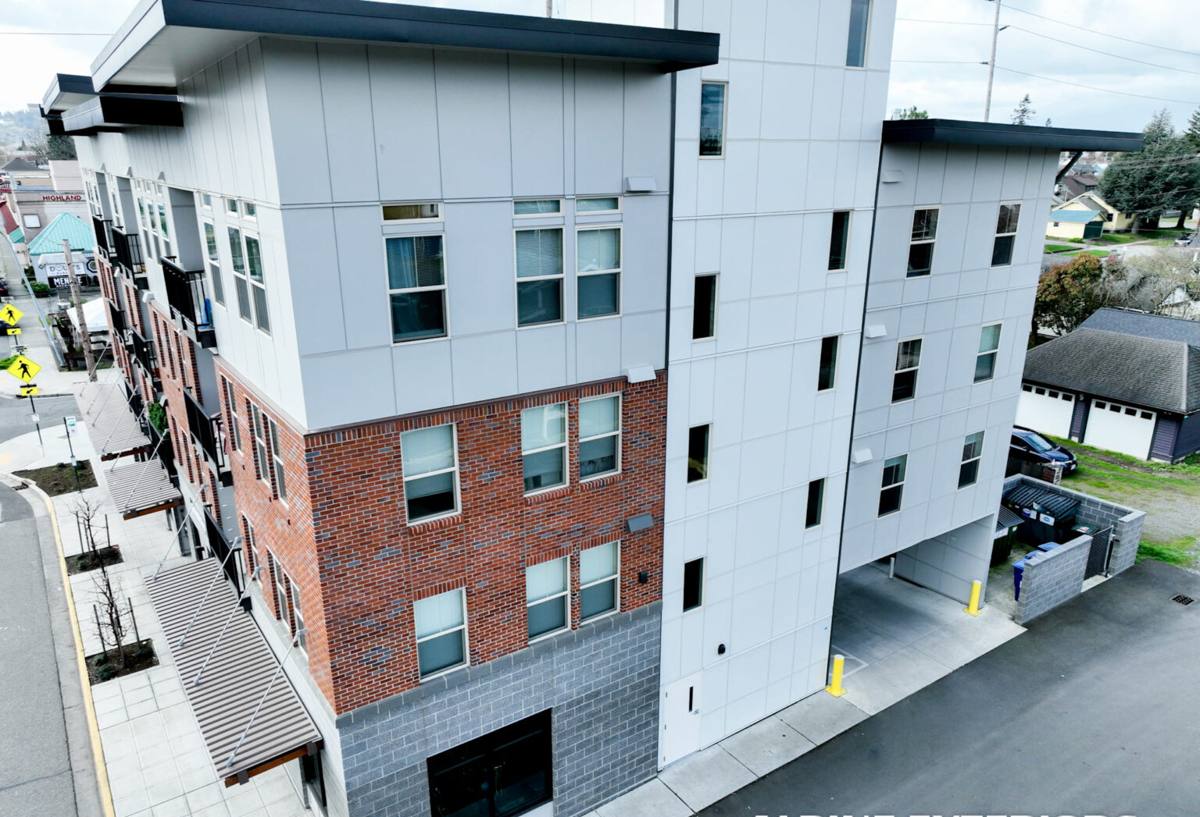
Why the Climate Here Is Hard on This Style Specifically
Board and batten is a joint-heavy siding pattern. You've got vertical boards, then battens covering every seam, then horizontal butt joints where boards end and start again. Every one of those joints is a place water can find its way behind the cladding if the install isn't done right. In a dry climate, sloppy joint work might go unnoticed for years. In Whatcom County, it won't.
The regional pattern we plan around includes:
- Driving rain that hits siding at an angle, not just straight down — this pushes water sideways into laps and joints that a plumb-only installation doesn't account for.
- Extended wet seasons where siding stays damp for days at a stretch, giving moss, algae, and mildew time to establish on any surface that doesn't drain and dry.
- Salt-influenced air carried inland off the Salish Sea, which accelerates corrosion on exposed fasteners and lower-grade trim hardware over time.
- Freeze-thaw swings in winter that stress any siding material prone to absorbing moisture, since trapped water expands and works joints and finishes loose.
None of that means board and batten is a bad choice for an Everson home. It means the material and the installer both have to be right for the pattern to earn its keep.
Why We Install James Hardie and Nothing Else
We only install James Hardie fiber cement siding — we don't do vinyl, LP SmartSide, Cemplank, Allura, primed spruce, or cedar board and batten. That's not a marketing line, it's a standard we've held to because of exactly the conditions described above.
Cedar board and batten looks beautiful when it's new, but real wood requires ongoing sealing, staining, and vigilance against moisture intrusion at every joint — and in a climate that stays wet as long as ours does, that maintenance schedule gets demanding fast. Vinyl board and batten is low-maintenance in a different sense — it doesn't rot, but it can warp, fade, and it doesn't hold paint if a homeowner ever wants to change the look. Primed spruce needs a finish coat applied correctly and re-coated on a schedule, or the primer is doing very little on its own.
James Hardie fiber cement is non-combustible, engineered specifically for wet Pacific Northwest conditions (Hardie's HZ5 product line is built for exactly this region), and it holds its factory-applied ColorPlus finish for far longer than field-applied paint or stain without the peeling and touch-up cycle that wood and some engineered wood products demand. It's also dimensionally stable — it doesn't swell and shrink the way real wood does, which matters a lot on a pattern with as many joints as board and batten has.
What Correct Board & Batten Installation Requires
| Step | Why It Matters in This Climate |
|---|---|
| Weather-resistive barrier installed and lapped correctly behind the boards | Gives any water that does get past the cladding a drainage path instead of a place to sit against sheathing |
| Rainscreen or furring strip gap behind the siding | Lets air circulate behind the boards so damp seasons don't leave the assembly wet for days at a time |
| Proper board and batten spacing per Hardie's fastening specs | Prevents buckling as the material responds to temperature and moisture changes across the seasons |
| Correctly flashed window and door openings before siding goes on | The single most common source of hidden water damage on any home, in any siding style |
| Caulking and sealant only where Hardie's install guide calls for it — not as a substitute for flashing | Caulk fails over time; flashing and drainage planes don't, if installed right |
| Corrosion-resistant fasteners set to the correct depth | Salt-influenced air inland from the coast still shortens the life of the wrong fastener grade |
What a Correct Install Looks Like, Start to Finish
A board and batten job on an Everson home follows the same sequence every time, in this order:
- Assessment of the existing wall assembly — checking for any hidden moisture damage or rot before new siding goes over it. Covering a problem doesn't fix it.
- Removal of old siding and inspection of sheathing — any soft spots get repaired before anything new is installed.
- Weather-resistive barrier and flashing details — installed and lapped shingle-style so water always moves down and out, never in.
- Rainscreen gap installation — this is the detail that most separates a correctly installed board and batten job from one that will hold moss and moisture longer than it should.
- Board layout and fastening — spacing, fastener pattern, and joint placement done to Hardie's published specifications, not eyeballed.
- Battens set over the vertical joints — covering seams while leaving the assembly able to expand and contract with the seasons.
- Trim, caulking, and final detail work — the finishing steps that determine how clean the lines look and how well the assembly resists wind-driven rain.
Signs Your Current Siding Is Losing the Fight
If you're deciding whether it's time to replace board and batten (or any siding) on a home in this area, look for these before winter arrives:
- Persistent moss or dark streaking on north-facing or shaded walls that keeps coming back after cleaning
- Soft or spongy spots when you press on boards, especially near the bottom courses or around window trim
- Visible warping, cupping, or gaps opening up between boards and battens
- Paint or finish that's peeling in sheets rather than wearing evenly
- Rust streaking below fasteners or trim hardware
- Interior signs — musty smell, peeling paint, or soft drywall near exterior walls — that point to moisture getting through from outside
Cost Factors for Board & Batten in This Area
Board and batten typically costs somewhat more than lap siding on the same wall area, mainly because of the extra battens, trim, and labor time the joint pattern requires. Beyond material choice, the biggest cost drivers we see on Everson jobs are:
| Factor | Impact on Cost |
|---|---|
| Condition of existing sheathing and framing | Rot repair found during tear-off adds cost but should never be skipped |
| Home height and roofline complexity | More gables, dormers, and cut lines mean more trim and labor |
| Whether a rainscreen gap is being added new or already exists | Adding proper drainage behind the siding is worth the added cost in this climate |
| Board width and reveal chosen | Wider boards with fewer battens can reduce material and labor versus a narrow, high-frequency pattern |
| Trim and corner detailing | Board and batten shows off clean corners and trim more than most other styles, so detail work matters |
We won't quote a number without seeing the home — condition of the existing wall, square footage, and access all move the estimate — but we'll walk you through exactly what's driving the price on your specific project.
Why Hiring a Crew That Already Works in Whatcom County Matters
Board and batten installed to a generic national spec sheet, without adjusting for how wet and how long our wet season actually runs, is how homes end up with moss lines and soft trim within a few years. A crew that works Whatcom County regularly already knows to build in the rainscreen gap, flash every opening before the first board goes up, and choose fastener grades that hold up against the salt-tinged inland air we get off the water. That's not something you can verify from a brochure — it's something you confirm by asking direct questions about how a contractor actually builds the wall assembly, not just what siding brand they hang on it.
If you're considering board and batten for a home in Everson or elsewhere in the Blaine area, we're happy to take a look and walk you through what your home specifically needs — no pressure, no obligation. Reach out below for a free estimate.