 Blaine Exterior
 Why Birch Point Windows Wear Differently
Birch Point sits close enough to the water that its homes take a different kind of weathering than houses even a few miles inland in Blaine. The salt air works into aluminum frames and hardware, wind-driven rain finds gaps that would stay dry elsewhere in Whatcom County, and the long gray stretch of moss season keeps north-facing walls and window sills damp for months at a time. None of that is dramatic on its own, but stacked together year after year, it shortens the working life of windows that would otherwise last decades.
We see the same failure patterns on Birch Point houses over and over: pitted or corroded aluminum frames, fogged double-pane glass from failed seals, wood sills gone soft under peeling paint, and vinyl frames that have chalked and stiffened from years of moisture cycling. None of this means the original windows were poorly made — it means the climate here asks more of a window than most manufacturers design for as a baseline.
What "Coastal Wear" Actually Looks Like
- Hazy or foggy glass between panes — the seal has failed and the argon or air gap is compromised
- Frames that feel gritty or show white/gray corrosion, common on older aluminum units
- Sills or lower frame corners that are soft, discolored, or show black staining from trapped moisture
- Windows that used to open and close smoothly but now stick, especially after a wet stretch
- Visible moss or dark streaking on the exterior trim directly above or beside the window
- Noticeable draft or cold spot near the window frame even when it's fully latched
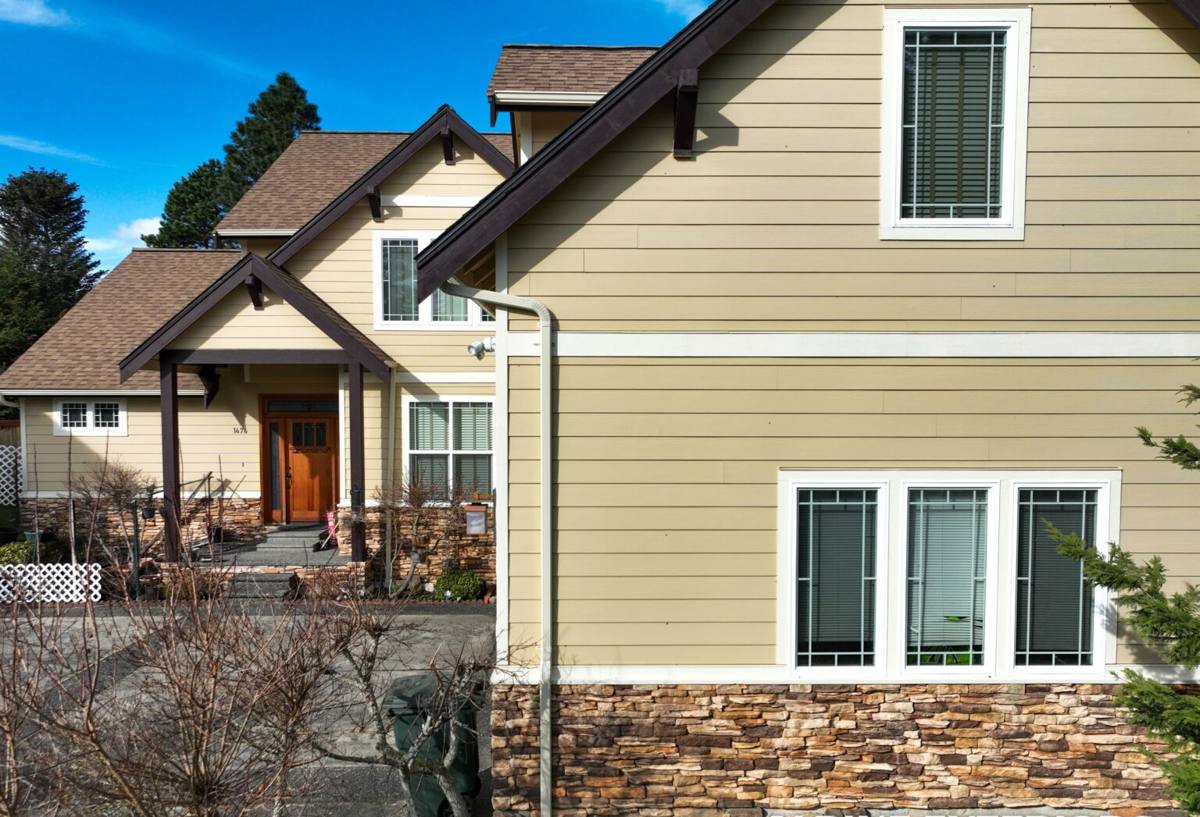
What a Correct Window Replacement Involves Here
Swapping in a new window is the easy part. What actually determines whether that window performs for the next 20-30 years in a Birch Point microclimate is everything around the glass: the flashing, the sealant, the sill pan, and how the new unit ties into the existing wall assembly. A window installed without proper flashing and drainage detail will leak eventually — it's just a matter of how many rainy seasons it takes.
The Details That Matter Most in This Climate
| Step | Why It Matters Here |
|---|---|
| Removing old window and inspecting the rough opening | Reveals hidden rot or moisture damage before it's covered by a new unit |
| Sill pan flashing | Gives wind-driven rain that gets past the exterior a path to drain back out instead of pooling |
| Proper flashing tape sequencing (shingle-lap method) | Directs water down and out, never trapping it behind the new frame |
| Corrosion-resistant fasteners and hardware | Salt air degrades standard steel screws and brackets faster than inland installs |
| Low-expansion foam and backer rod at the gap, not just caulk | Caulk alone shrinks and cracks; a proper air seal keeps moisture and drafts out long-term |
| Exterior trim and paint/sealant finish | The first line of defense against moss growth and water intrusion around the frame |
Skipping any one of these steps is how a window that looks fine on installation day ends up with hidden rot behind the trim two or three winters later. It's also the single biggest reason we get called out to homes where a previous window replacement failed early — the glass was fine, but the flashing and sealing underneath it wasn't.
Choosing the Right Window for a Birch Point House
There's no single "best" window for every home here — it depends on the house's orientation, how exposed it is to wind off the water, and what the existing frame material is. But a few things hold true across most Birch Point properties.
Frame Material Trade-Offs
| Frame Type | How It Holds Up Near the Water | Maintenance |
|---|---|---|
| Vinyl | Good moisture resistance, no corrosion risk, performs well in this climate | Low — occasional cleaning, no painting |
| Fiberglass | Excellent dimensional stability, handles temperature and moisture swings well | Low, higher upfront cost |
| Wood (clad exterior) | Good if the exterior cladding is intact; bare wood sills are a weak point in this climate | Moderate — exterior cladding protects, but any exposed wood needs monitoring |
| Aluminum (uncladded) | Prone to corrosion and pitting from salt air over time | Higher — we generally steer homeowners away from bare aluminum for direct water-facing exposures |
We're upfront when a product isn't a good fit for a specific exposure — not because a brand is bad, but because certain frame and glazing combinations handle sustained damp and salt exposure better than others. That's a maintenance and longevity conversation, not a sales pitch.
Glass Packages Worth Considering
For Blaine's climate, double-pane with a low-E coating and argon fill is the practical baseline — it cuts heat loss and helps with condensation control on cold, damp mornings. Triple-pane is worth discussing for north- or west-facing rooms that catch the brunt of winter wind, but it adds cost and weight, so it's a room-by-room decision rather than a whole-house default.
Our Process for a Birch Point Window Job
We keep the process straightforward because window replacement is disruptive enough without added confusion about what's happening and when.
- On-site assessment. We look at each window individually — not every window on a house needs replacing at the same time, and we'll tell you honestly which ones do and which can wait.
- Written estimate. Clear pricing by window, frame material options, and a realistic timeline.
- Scheduling around weather. Window replacement requires a dry work window. We plan around Whatcom County's forecast rather than pushing through a wet stretch, which protects your home's interior and the quality of the seal.
- Removal and opening inspection. Every opening gets checked for hidden moisture or rot before the new unit goes in — this is where problems get caught early instead of sealed up and ignored.
- Install with full flashing and sealing detail. No shortcuts on sill pans, flashing tape, or fastener choice, regardless of how the wall looks from outside.
- Interior and exterior finish work. Trim, caulking, and paint/sealant match the surrounding house rather than looking like a patch job.
- Final walkthrough. We check operation, seal quality, and answer any questions before we consider the job done.
Why a Crew That Already Works Birch Point Matters
Window replacement isn't a one-size-fits-all trade skill — the right approach in a dry inland climate is not the same as the right approach a few hundred yards from saltwater. A crew that regularly works Birch Point and the surrounding Blaine waterfront knows which wall assemblies tend to hide moisture, which exposures need extra flashing attention, and which frame materials hold up versus which ones become a maintenance headache within a few years.
That local pattern recognition shows up in small decisions — how much overlap to build into the flashing, whether a sill pan needs an extra drainage gap, which side of the house is going to take the worst of a winter storm — that a crew unfamiliar with this specific stretch of Whatcom County coastline might not think to ask about.
Questions Worth Asking Any Contractor Before You Hire
- Do you use sill pan flashing on every replacement, not just as an upsell?
- What's your plan if you find rot or moisture damage once the old window is out?
- Do you work around weather, or push through wet conditions to stay on schedule?
- Can you explain, in plain terms, why you're recommending one frame material over another for this specific window?
- What's covered under warranty — the product, the labor, or both — and for how long?
Signs It's Time to Replace Rather Than Repair
Not every window on a Birch Point home needs full replacement right away. Sometimes resealing, re-caulking, or hardware repair buys a homeowner several more years. Replacement generally makes more sense when you're seeing failed seals (permanent fogging), soft or rotted framing material, warping that prevents the window from closing fully, or single-pane glass with no insulation value left in a room you actually use. If you're only dealing with one or two problem windows, we'll say so — there's no reason to replace a whole house's worth of windows when a handful are the actual problem.
If you're noticing drafts, fogged glass, or moss creeping in around your window trim, it's worth having someone take an honest look before another wet season passes. We're happy to walk your Birch Point home, point out what's actually wearing out versus what still has life left, and put together a straightforward, no-pressure estimate using the form below.