 Blaine Exterior
 Board & Batten Siding Built for Birch Point's Waterfront Exposure
Board and batten is one of the most requested siding profiles in Birch Point, and it's easy to see why. The vertical lines read as clean and substantial on the shingle-style and craftsman homes that make up much of this shoreline community, and it pairs naturally with the mix of stone, cedar trim, and metal roofing already common in the area. But board and batten is also one of the least forgiving siding profiles to get wrong. Every batten creates a seam, and every seam is a place water can find its way behind the cladding if the install isn't detailed correctly. On an exposed, salt-air property near the water, that margin for error is smaller than it is a few miles inland.
This page is about doing board and batten right for Birch Point specifically — what the site conditions demand, what a correct installation actually involves, and why we install only James Hardie fiber cement for this profile.
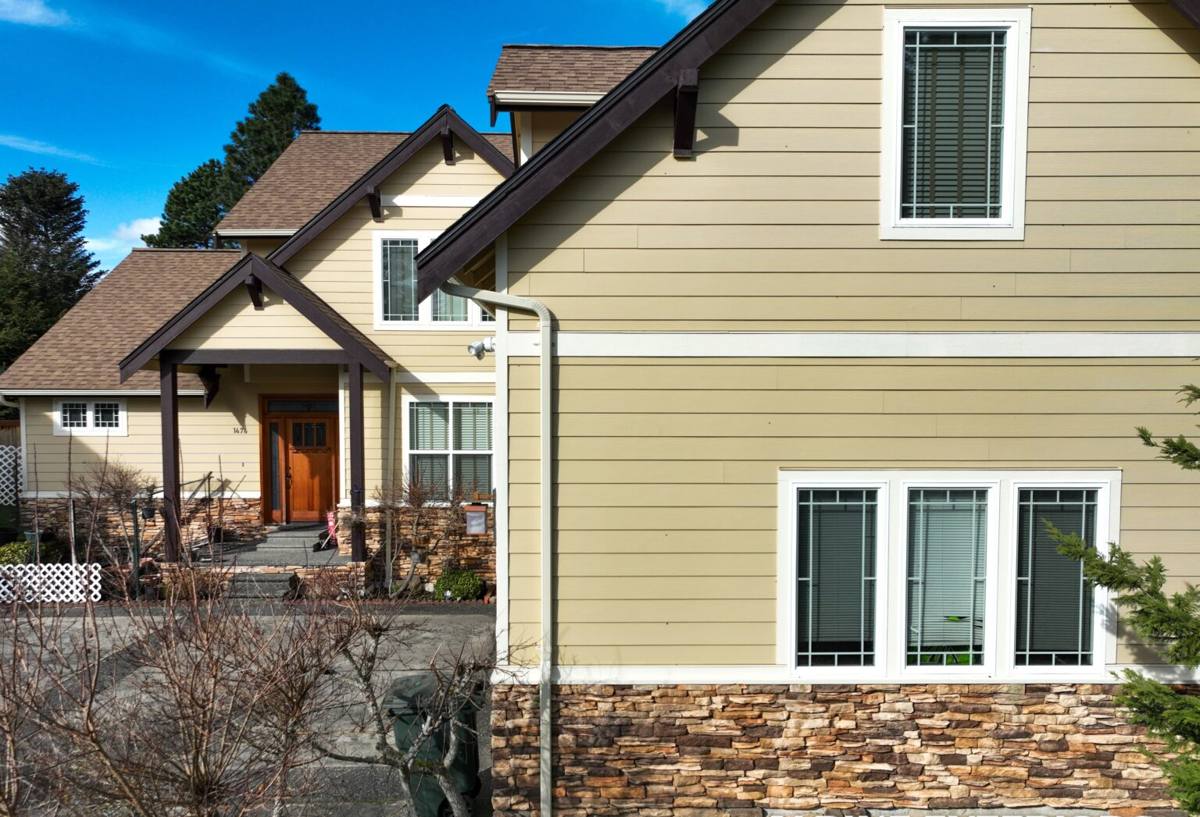
What Birch Point's Climate Does to a Vertical Siding Profile
Birch Point sits directly exposed to marine weather off the Strait, and that exposure shapes almost every decision in a board and batten installation.
Salt Air and Fasteners
Airborne salt accelerates corrosion on anything metal — nail heads, batten fasteners, flashing, and trim hardware. On a profile like board and batten, where fasteners are visible along the face of every batten (or concealed just behind it), using the wrong fastener spec is a slow, expensive mistake. Corroding fasteners bleed rust streaks down the face of the siding and eventually lose their holding power, which is a bigger problem on vertical boards than on lap siding because each batten is carrying more exposed surface area per fastener line.
Wind-Driven Rain
Storms coming off the water don't just fall — they drive rain sideways and upward under trim, at inside corners, and at every horizontal transition. Board and batten has more vertical seams per square foot than lap siding, which means more places water can be pushed if the drainage plane and flashing behind the siding aren't built correctly.
A Long Moss Season
Whatcom County's wet season runs long, and Birch Point's tree cover and shaded north- and east-facing walls stay damp for extended stretches. Moss and algae take hold on siding that can't shed water and dry out between rains, and on wood-based or improperly sealed products, that moisture cycling is what eventually leads to swelling, soft spots, and paint failure.
Why Board & Batten Has to Be Detailed, Not Just Installed
Board and batten looks simple from the curb — vertical panels with strips covering the seams — but the assembly behind it is what determines whether it lasts. A few details matter more here than on almost any other siding profile:
- Drainage plane and rainscreen gap — a ventilated air gap behind the siding lets any moisture that gets past the cladding drain and dry out instead of sitting against the wall sheathing.
- Flashing behind every seam and penetration — window and door trim, roof-to-wall transitions, and any horizontal breaks in the vertical run all need correctly lapped flashing, not just caulk.
- Batten spacing and fastening schedule — battens need to land over structural framing or blocking with a fastening pattern rated for the wind exposure, not just spaced for looks.
- Panel gaps and expansion clearance — fiber cement moves slightly with temperature and moisture; gaps at trim and corners need to be sized correctly and sealed with a manufacturer-approved sealant, not just butted tight.
- Bottom clearance — the bottom edge of the siding needs proper clearance off decks, patios, and grade so it isn't sitting in standing water or snow buildup.
Skip or shortcut any one of these, and the siding can still look right for a year or two before the underlying problems show up as staining, soft trim, or moss creeping in at the seams.
The James Hardie System We Use for Board & Batten
We install James Hardie fiber cement exclusively, and for board and batten that means HardiePanel vertical siding paired with HardieTrim battens, or the Artisan Collection where a more refined reveal and shadow line is called for. A few things about the system matter specifically for a Birch Point property:
- HZ5 engineered formulation — Hardie's fiber cement is manufactured in climate-specific formulations, and the HZ5 line is built for wet, freeze-thaw-capable Pacific Northwest conditions rather than a one-size-fits-all product.
- Non-combustible core — fiber cement doesn't feed a fire the way wood-based sidings can, which matters as much for insurance conversations as it does for safety.
- ColorPlus factory finish — a baked-on finish that resists fading and moss/algae staining far better than field-applied paint, with touch-up product available for any cut edges or repairs.
- Won't rot or delaminate — fiber cement doesn't absorb and hold water the way wood or wood-composite products can, which is the single biggest reason it holds up on a property with this much moisture exposure.
- Transferable warranty — Hardie's warranty structure is one of the strongest in the category and follows the home, which matters to buyers if this property ever sells.
We don't install vinyl, LP SmartSide, primed spruce, or cedar board and batten. Each of those has legitimate uses elsewhere, but for the fastener corrosion, moisture cycling, and moss exposure a Birch Point property deals with year-round, we've standardized on fiber cement because it's the product we can stand behind long-term in this specific environment.
What Affects the Cost of a Board & Batten Job Here
Every Birch Point home is different, so we don't quote off square footage alone. These are the factors that actually move the number:
| Factor | Why It Matters |
|---|---|
| Existing siding removal | Tear-off, disposal, and sheathing inspection add labor and can reveal hidden moisture damage that needs repair before new siding goes on. |
| Wall height and access | Multi-story walls, steep grade, or limited equipment access near the water increase staging and labor time. |
| Batten spacing and reveal style | Tighter batten spacing and custom reveal patterns use more trim material and installation labor than standard spacing. |
| Trim and corner complexity | Gables, dormers, and multiple roof transitions all add flashing and cutting work that flat wall runs don't require. |
| Color and finish | Standard ColorPlus colors are the most cost-efficient; custom field-painted finishes add cost and future maintenance. |
| Wind exposure rating | Waterfront-facing elevations may need a tighter fastening schedule, which adds labor but is not optional on exposed walls. |
Our Installation Process
- On-site assessment — we walk the property, check existing siding and sheathing condition, and evaluate wind and moisture exposure by elevation.
- Tear-off and sheathing check — old siding comes off and we inspect the wall for hidden rot or moisture damage before anything new goes on.
- Weather-resistant barrier and rainscreen — a correctly lapped WRB and ventilated drainage gap go on first, since this is the layer that actually protects the wall long-term.
- Flashing at every transition — windows, doors, roof lines, and horizontal breaks get flashed before siding covers them.
- HardiePanel and batten installation — panels and battens go up per Hardie's fastening schedule for the wind exposure on that wall, using corrosion-resistant fasteners appropriate for salt air.
- Trim, caulking, and finish work — expansion gaps, corners, and penetrations are sealed with manufacturer-approved sealant, and any cut edges are touched up with ColorPlus-matched product.
- Final walkthrough — we review the completed work with you before calling the job done.
Questions to Ask Before Hiring a Crew for Board & Batten in Birch Point
Board and batten hides a lot of workmanship behind a simple-looking profile, so it's worth vetting carefully. Before you sign a contract, ask:
- Will you install a rainscreen/drainage gap behind the siding, or is it going directly over the existing weather barrier?
- What fastener type and spacing are you using, and is it rated for this property's wind exposure?
- How will you flash the seams, corners, and window/door transitions?
- What happens if you find rot or moisture damage in the sheathing once the old siding comes off?
- Is the manufacturer's warranty registered in my name, and does it require a certified or approved installer?
- Have you worked on homes in Birch Point or similarly exposed waterfront areas before?
Why It Matters That We Already Work Birch Point
A crew that's worked this stretch of Whatcom County coastline already knows which walls take the worst of the wind, which elevations stay damp longest into summer, and how to plan fastening and flashing accordingly — instead of learning it on your house. We're also familiar with permitting, whether a given property falls under City of Blaine jurisdiction or unincorporated Whatcom County, so there are no surprises mid-project. And because we install one product system, James Hardie, on every job, our crews aren't switching techniques between manufacturers — the fastening schedules, sealants, and flashing details we use on your board and batten are the same ones we've run dozens of times on homes facing the same salt air and rain.
If you're weighing board and batten for a Birch Point home, we're happy to walk the property, look at your existing siding and exposure, and put together a straightforward estimate — no pressure, no obligation. Use the form below to get started.