 Blaine Exterior
 Asphalt Shingle Roofing Built for Ferndale's Weather
Ferndale sits close enough to the Strait of Georgia and the Nooksack River lowlands that its roofs deal with a mix most inland towns never see: salt-tinged air rolling in off the water, long stretches of driving rain through fall and winter, and shaded, damp yards that grow moss faster than almost anywhere else in Washington. An asphalt shingle roof installed here has to handle all three at once, year after year, without shortcuts.
We're Blaine Exterior Co, and Ferndale is inside our regular service area, not a stretch job we take once and forget. That matters more than most homeowners realize, because a roof is a system — underlayment, flashing, ventilation, and shingles all working together — and a crew that only sees a house once during install is a crew that never learns how that system actually performs through a real Whatcom County winter.
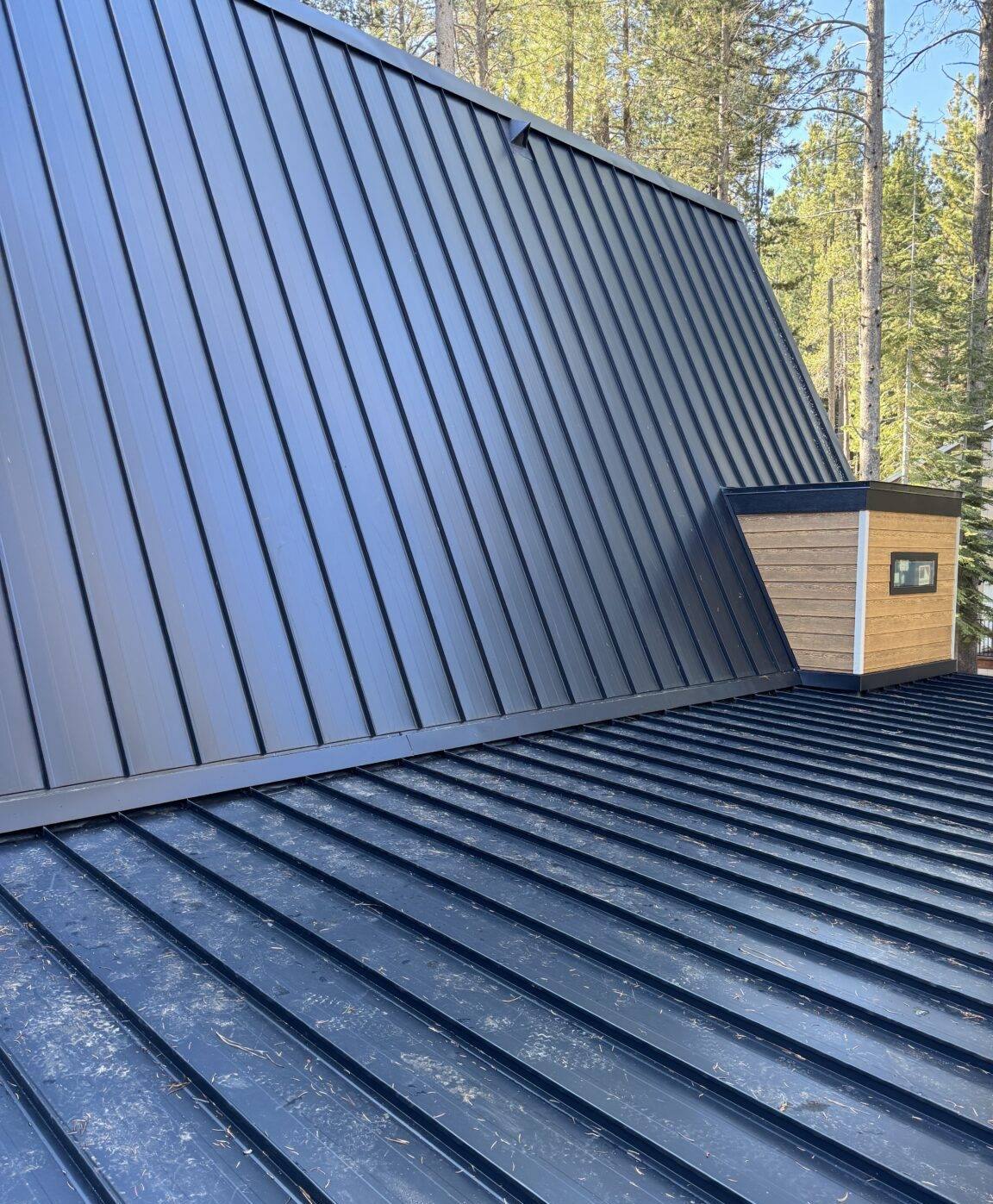
Why Ferndale Roofs Wear Differently Than Roofs Inland
Salt Air and Metal Fatigue
Homes closer to the water take in fine salt particulate that settles on roofing metal — flashing, vent caps, drip edge, nail heads. Over years, that accelerates corrosion on lower-grade or exposed fasteners faster than it would forty miles inland. It doesn't ruin a roof overnight, but it's a real factor in how we spec metal components on a Ferndale job.
Driving Rain, Not Just Rain
Whatcom County doesn't just get a lot of rain — a good share of it comes in sideways during winter wind events. That kind of weather tests details that a calm-rain climate would never expose: shingle nailing pattern, starter course alignment, and how tightly the underlayment seals around penetrations. A roof that would pass fine in a dry climate can leak here if those details are loose.
The Long Moss Season
Between the marine humidity, the tree cover common on Ferndale lots, and cool shaded roof faces that never fully dry out, moss has a long growing window here — often most of the year on north-facing slopes. Moss isn't just cosmetic. As it establishes, it holds moisture against the shingle surface and can work its way under tabs and edges, which shortens the life of the roofing underneath it.
What a Correct Asphalt Shingle Roof Involves Here
A shingle roof is only as good as the layers underneath it. In a climate like this one, we don't treat any of these as optional:
- Ice-and-water shield at eaves, valleys, and around every penetration — the areas most likely to see wind-driven rain intrusion
- Synthetic underlayment across the full deck for a consistent water-resistant layer beneath the shingles
- Balanced ventilation (intake at the eaves, exhaust at the ridge) so moist air isn't trapped against the underside of the deck, which both shortens shingle life and feeds moss and rot
- Corrosion-resistant flashing and fasteners at valleys, walls, chimneys, and skylights, sized for the salt exposure common in this area
- Correct nailing pattern and exposure per manufacturer spec — the single biggest factor in whether a shingle roof survives a real wind-driven rain event
Skip any one of these and the roof might look fine from the ground for a year or two. The failures show up later, usually as a slow leak nobody can source, or moss that keeps coming back no matter how often it's cleaned off.
Choosing the Right Shingle for a Ferndale Home
Not every asphalt shingle product is a good fit for this climate. We steer homeowners toward options with a track record for wind resistance and algae/moss resistance, and we're upfront about the trade-offs of each tier.
| Shingle Type | Typical Lifespan | Best For Ferndale When |
|---|---|---|
| 3-Tab | 15–20 years | Budget-driven projects on simpler roof lines; lowest wind rating, so less ideal on exposed or high-wind lots |
| Architectural (Laminate) | 25–30 years | Most Ferndale homes — better wind rating, better moss/algae-resistant granule options, stronger warranty structure |
| Premium/Designer Architectural | 30+ years | Homes wanting a heavier, dimensional look plus the highest available wind and impact ratings |
We specifically recommend shingles with algae-resistant (AR) granules — usually copper- or zinc-infused — for any Ferndale roof with shade or north-facing slopes. It won't make a roof moss-proof, but it slows regrowth meaningfully compared to standard granules, and on a shaded lot that difference compounds year over year.
Color and Heat Considerations
Lighter shingle colors reflect more heat and can help reduce attic temperature swings, while darker colors hide streaking and moss shadowing longer between cleanings. Neither is objectively "correct" — it's a trade-off between appearance preference and maintenance visibility, and we'll talk through both honestly rather than push whatever's easiest to install.
Our Process on a Ferndale Roofing Job
- On-site inspection — we walk the roof and attic, not just the yard, to check deck condition, existing ventilation, and any moss or moisture damage before quoting anything
- Written scope and estimate — what's being removed, what's being installed, and why, in plain language with no vague line items
- Tear-off and deck check — full removal of old roofing so we can inspect the deck underneath; soft or rotted sheathing gets flagged and repaired, not covered over
- Underlayment and flashing install — ice-and-water shield, synthetic underlayment, and new flashing at every valley, wall, and penetration
- Shingle installation to manufacturer spec for nailing pattern and exposure, adjusted for wind exposure on the specific lot
- Ventilation check — confirming intake and exhaust are balanced before we call the job finished
- Final walkthrough — we show the homeowner what was done and answer questions before we leave
Signs a Ferndale Roof Needs Attention
Because so much of a roof's condition is invisible from the driveway, we tell homeowners to watch for these signs rather than wait for a visible leak inside the house:
- Granules collecting in gutters or at downspout outlets — a sign shingles are aging past their protective layer
- Moss thickening on north-facing slopes rather than staying as a thin surface layer
- Curling, cupping, or lifted shingle edges, especially after a windy winter
- Dark streaking that doesn't wash off with light rinsing — often algae rather than dirt
- Soft spots or sagging felt anywhere on the roof plane
- Daylight visible through the attic roof deck
- Rusting or lifting flashing around chimneys, vents, or skylights
Any one of these on its own isn't necessarily an emergency, but a roof showing two or three of them at once is usually past the point where a repair is the more economical fix.
Repair, Partial Replacement, or Full Replacement
Not every roof problem means a full tear-off. We evaluate honestly based on the roof's age, deck condition, and how localized the damage is:
| Situation | Typical Approach |
|---|---|
| Isolated leak, roof under 10–12 years old, deck sound | Targeted repair — flashing, localized shingle replacement, or sealant work |
| Moss buildup with otherwise healthy shingles | Moss treatment and manual removal, plus a ventilation check to address the root cause |
| Roof nearing or past manufacturer lifespan, granule loss widespread | Full replacement — patching an aging roof usually costs more over time than replacing it once, correctly |
| Soft or rotted deck sheathing found during inspection | Deck repair required regardless of shingle age — this is a structural issue, not cosmetic |
Why a Local Crew Matters for This Job
Roofing crews that don't regularly work this part of Whatcom County tend to spec roofs the same way they would anywhere else — because they haven't seen what salt air does to cheap flashing over five winters, or how a poorly vented Ferndale attic grows moss problems that keep coming back no matter how many times the roof gets cleaned. We have, because we work here regularly, not as a one-off service call.
That local familiarity also shows up in smaller, practical ways: knowing which slopes on a given street tend to stay shaded and wet longest, understanding how coastal wind patterns hit certain lots harder than others, and being available for a follow-up visit if something needs a second look after the first hard storm of the season. A roof installed by a crew that disappears after the invoice is paid is a roof nobody is accountable for later.
Maintenance That Actually Extends a Shingle Roof's Life
A correctly installed roof still needs basic upkeep in this climate. We recommend:
- Gutter cleaning at least twice a year — clogged gutters back water up under the lowest shingle course
- Moss treatment before it thickens, not after it's visibly matted
- A visual roof check after any major wind event
- Trimming back overhanging branches that keep roof sections shaded and slow to dry
- A professional inspection every few years, especially once a roof passes the ten-year mark
If your Ferndale home needs a roof inspection, a repair, or a full asphalt shingle replacement, Blaine Exterior Co offers free, no-pressure estimates. Fill out the form below and we'll take a straightforward look at what your roof actually needs.