 Blaine Exterior
 Windows Built for Bellingham's Coastal Weather
Homes in and around Bellingham sit close enough to the water that the weather is never quite as simple as "rain or shine." Salt-tinged air moves in off the Strait, wind-driven rain comes at windows sideways during fall and winter storms, and shaded north- and east-facing walls stay damp long enough to grow moss for months at a stretch. None of that is a problem for a window that was installed correctly with the right materials. It becomes a problem fast for a window that was installed on the cheap, sealed with the wrong caulk, or left past its service life.
Blaine Exterior Co works this stretch of Whatcom County regularly, and Bellingham is part of that regular route. We're not driving in once for a one-off job and leaving — we know what this coastal air does to hardware, glazing, and trim over ten and twenty year spans, and we build our replacement work around that reality instead of a generic install checklist.
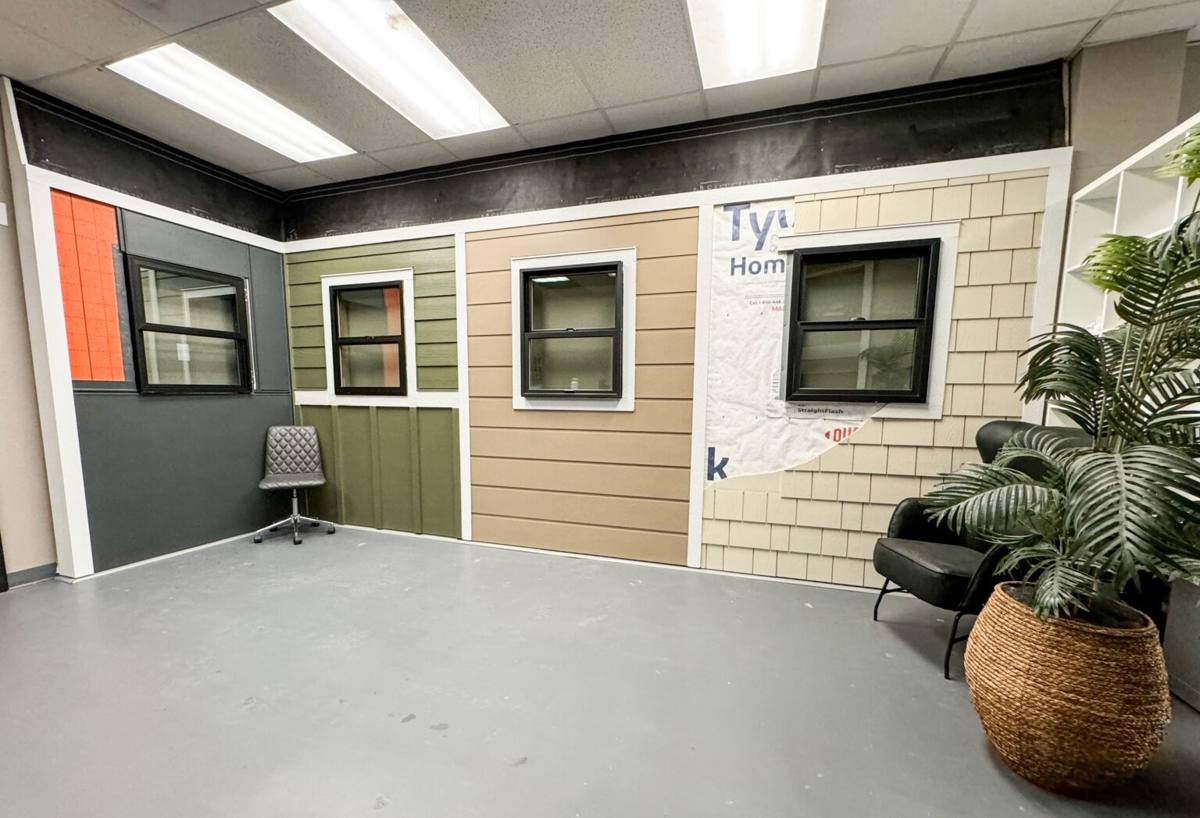
What Coastal Air and Wet Winters Actually Do to Old Windows
Salt Air and Hardware Corrosion
Even a few miles from the water, airborne salt accelerates corrosion on window hardware — hinges, cranks, locks, and the metal fasteners holding frames together. Once corrosion starts, locks stick, cranks get stiff, and gaps open up around moving parts that used to seal tight. That's a slow leak path that a homeowner often doesn't notice until there's already water staining on the interior sill.
Wind-Driven Rain and Seal Failure
Bellingham doesn't just get rain — it gets rain pushed sideways by wind off the water, which finds every weak seal a straight-down rain would never reach. Insulated glass units that have lost their seal will fog between the panes. Perimeter caulk that's cracked or shrunk lets water track behind trim and siding instead of running off the surface where it belongs.
Moss, Algae, and Trapped Moisture
Whatcom County's long wet season keeps shaded exterior surfaces damp for extended stretches, and moss and algae take hold anywhere moisture sits. Around window frames, that usually shows up on sills, at the bottom corners, and in horizontal trim members that don't drain well. Moss itself doesn't destroy wood, but it holds moisture against the surface far longer than bare wood would dry on its own, and that's what leads to soft spots and eventual rot underneath.
Signs a Bellingham Home Needs Window Replacement
Not every problem window needs full replacement — some just need better maintenance or a re-seal. But certain signs mean the window and its surrounding frame have moved past the point where patching makes sense.
- Fogging or a visible haze between the panes of double-pane glass (seal failure — cannot be fixed, only replaced)
- Soft or spongy wood at the sill, corners, or bottom rail when pressed with a screwdriver handle
- Windows that are difficult to open, close, or lock, especially after damp weather
- Visible daylight or a noticeable draft around the sash when the window is closed
- Paint that's persistently peeling or bubbling on the frame, even after repainting
- Moss or dark staining that keeps returning at the same spot on the frame or sill
- A noticeable jump in heating costs with no other explanation
- Condensation forming on the inside of the glass regularly through fall and winter
What a Correct Window Replacement Job Actually Involves
Removal and Honest Inspection
Pulling the old window out is the point where hidden problems become visible — rot in the rough opening, compromised flashing, or framing that's absorbed moisture over the years. A correct job stops here and deals with what's found rather than boxing a new window into a damaged opening and calling it done.
Flashing and Moisture Management
The window itself is only part of keeping water out — the flashing detail around it is what actually manages water that reaches the wall. That means proper sill pan flashing, correctly lapped house wrap or building paper at the sides and top, and a drainage path that directs any water that gets behind the trim back out rather than into the wall cavity. This is the step that gets rushed on lower-quality jobs, and it's the one that matters most in a climate like this.
Level, Plumb, and Properly Shimmed
A window that isn't shimmed correctly will operate poorly and stress its seals over time, even if it looked fine on install day. Getting the unit level, plumb, and square before fastening it in place is basic, but it's also the step that determines whether the window still opens and seals well ten years from now.
Sealing and Trim
Interior and exterior sealant, backer rod where gaps call for it, and trim that's fastened and caulked correctly all matter for keeping conditioned air in and weather out. We use sealants rated for this climate's temperature swings and UV exposure, not whatever caulk happens to be cheapest.
Choosing the Right Window Material for This Climate
There's no single "best" window material — the right choice depends on budget, maintenance tolerance, and how exposed a given wall is to wind and driving rain. Here's how the common options compare for a coastal Whatcom County home.
| Material | Moisture Resistance | Maintenance | Typical Lifespan |
|---|---|---|---|
| Vinyl | Very good — won't rot or corrode | Low — occasional cleaning | 20-30 years |
| Fiberglass | Excellent — dimensionally stable in wet/dry cycles | Low | 30-40+ years |
| Aluminum-clad wood | Good on the exterior face, but sensitive at cut edges and joints | Moderate — exterior low, interior wood needs occasional attention | 20-30 years, install-dependent |
| Bare wood | Poor in this climate without diligent upkeep | High — regular painting/sealing required | Highly variable |
We steer most Bellingham-area customers toward vinyl or fiberglass for full replacements because they hold up against salt air and constant moisture with the least ongoing maintenance. We'll still install a clad-wood window when the look calls for it — the trade-off is just that it demands more careful installation and more owner upkeep at any exposed wood edges.
Glass Packages Worth Discussing
For this area, we typically talk through low-E coatings and argon or krypton gas fills with homeowners rather than assuming one glass package fits every wall. A window on a wind-exposed west or north face benefits more from a higher-performance package than one tucked under an eave on a sheltered side. It's worth a few extra minutes at the estimate to match the glass to the exposure instead of quoting the same spec everywhere.
Our Window Replacement Process
- On-site assessment — we look at every window being considered, not just the ones you've flagged, and check framing condition, exposure, and current performance.
- Honest recommendation — we tell you which windows genuinely need replacing now, which can wait, and which just need maintenance.
- Accurate measurement and ordering — new construction vs. retrofit/pocket replacement gets decided here based on your existing frame condition, not a default assumption.
- Install day — old units removed, openings inspected and repaired as needed, new units set, flashed, shimmed, and sealed.
- Walkthrough — we test operation and locking on every window before we consider the job done, and go over care basics for the material you chose.
Why a Crew That Already Works Bellingham Matters
Window replacement done right depends on details that generic, out-of-area crews often get wrong simply because they haven't seen enough of this specific climate. A crew that works Blaine and Bellingham regularly knows which wall exposures take the worst of the wind-driven rain, recognizes early moss and moisture damage before it becomes structural rot, and doesn't need to guess at flashing details for a marine climate — it's what we do on every job in this area. We're also easy to reach for a warranty callback or a quick question after the install, because we're not driving in from out of the region for a single project.
What Affects the Cost of Window Replacement
We don't publish fixed prices because every home is different, but the main cost drivers on most Bellingham-area jobs are consistent enough to lay out honestly.
- Window material — vinyl is typically the most budget-friendly, fiberglass and clad-wood cost more up front but can offer longer service life or a different look.
- New construction vs. retrofit — retrofit installs into an existing, sound frame generally cost less than full removal down to the framing.
- Hidden repairs — rot or moisture damage found during removal adds cost, but skipping that repair just moves the problem into the new window's lifespan.
- Glass package — upgraded low-E coatings and gas fills add cost but pay back over time in comfort and energy use, especially on exposed walls.
- Number and size of openings — larger jobs typically bring a better per-window cost than a single small job.
Most full window replacement projects for a typical home in this area run from a few thousand dollars for a small number of windows up into the higher five figures for a whole-house replacement with upgraded materials — the only way to get a real number is a walk-through of your specific windows and openings.
If you're dealing with foggy glass, stuck sashes, or a window that just doesn't feel right when the wind picks up off the water, we're glad to take a look. Our estimates are free and there's no pressure to move forward — just an honest read on what your windows need and what it would take to fix it right. The form below is the fastest way to get a visit scheduled.