 Blaine Exterior
 Building New in Semiahmoo? Get the Windows Right the First Time
New construction gives you one real chance to get windows installed correctly before siding, trim, and interior finishes close everything up. Once drywall is hung and paint is on the walls, fixing a bad flashing job or an undersized unit means tearing into finished work. For homes going up around Semiahmoo — whether on the spit, along the shoreline toward Drayton Harbor, or on the wooded lots further back from the water — that first installation has to account for a climate that is harder on windows than most inland builders ever plan for.
We install new-construction windows for builders and homeowners in the Semiahmoo area as part of our regular work in Blaine and greater Whatcom County. This page covers what that job actually involves, what the local climate demands from the materials and the installation, and what to expect if you're coordinating windows as part of a new build.
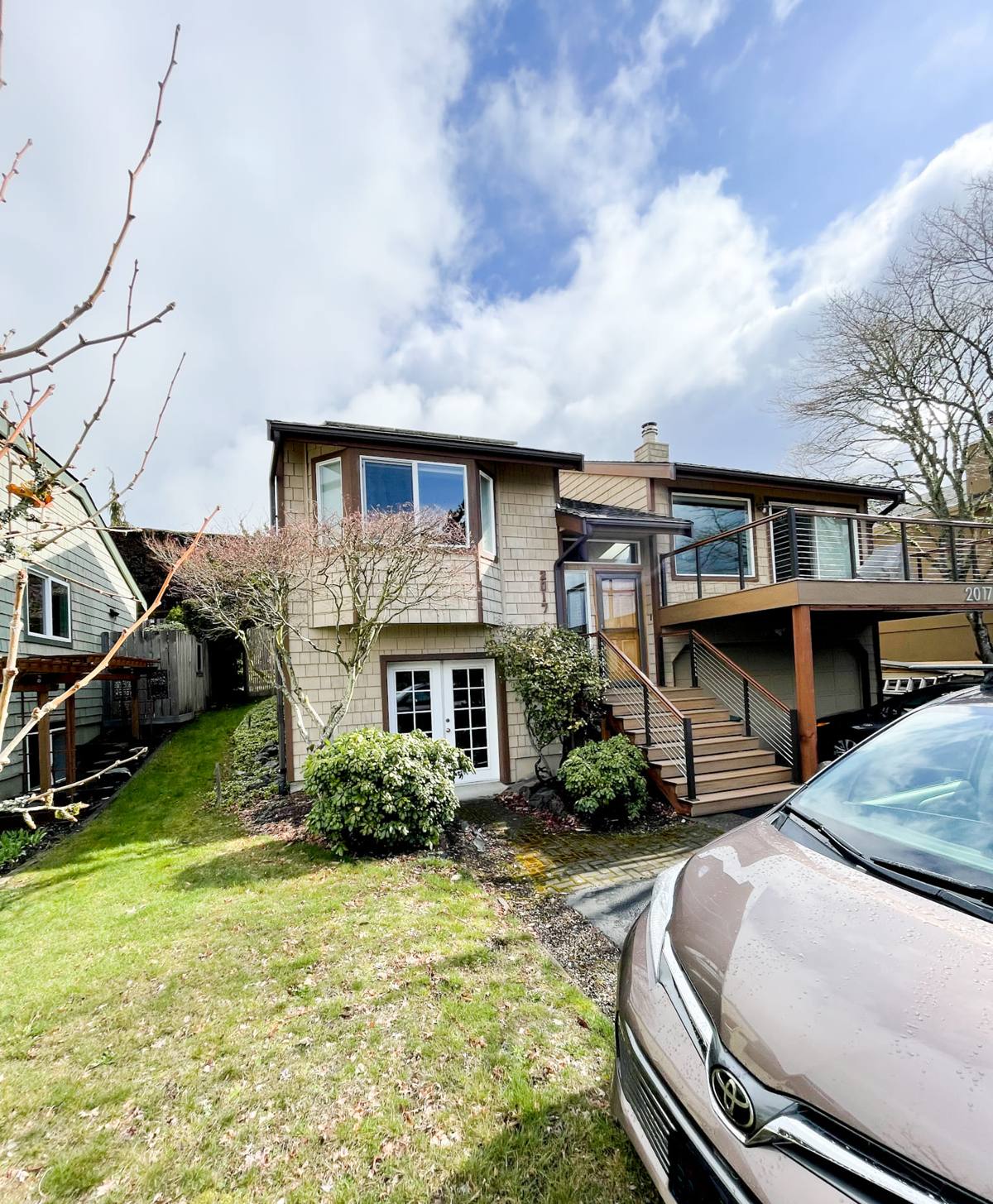
What Semiahmoo's Climate Actually Does to Windows
Semiahmoo sits right on the water, and that proximity matters more for windows than most homeowners expect. Salt-laden air off the bay accelerates corrosion on hardware, fasteners, and lower-quality frame components over time. Add in wind-driven rain that comes in sideways during winter storms, and any weak point in the flashing or sealant becomes a leak path, not just a cosmetic issue.
Then there's moss. Whatcom County's long, wet stretch from fall through spring keeps exterior surfaces damp for months at a time, and moss and algae take hold anywhere water sits or drains slowly. On a new build, that means window sills, head flashing, and trim details need to be designed to shed water fast and dry out between storms — not just look good on installation day.
None of this means windows in Semiahmoo need to be exotic or overbuilt. It means the installation details — flashing sequence, sealant choice, drainage paths, and hardware selection — have to match the actual exposure of the home, especially on water-facing elevations.
Exposure Varies Even Within Semiahmoo
A lot on the spit facing open water takes direct salt spray and wind that a lot set back among trees a few blocks inland simply doesn't see. We treat these differently. A uniform spec across every elevation of a house is a shortcut, not a standard — the water-facing and wind-exposed sides of a Semiahmoo home usually warrant a higher grade of flashing tape, sealant, and sometimes hardware than the sheltered sides.
What Correct New-Construction Window Installation Involves
New-construction installation is a different process than a replacement job, and the sequence matters as much as the window itself. Done right, the steps look like this:
- Rough openings checked for square, level, and correct size before any window arrives on site
- Weather-resistive barrier (house wrap) lapped correctly around the opening before the window goes in
- Sill pan flashing installed to catch and direct any water that gets past the window back out, not into the wall cavity
- Window set with proper shimming so it operates correctly and doesn't rack under its own weight
- Flanges or fins sealed and taped in the correct shingle-lap order — sides, then top, so water always sheds downward and outward
- Head flashing installed above the window, integrated with the house wrap above it
- Interior sealed and insulated around the frame without over-packing, which can bow vinyl frames
- Final operation check — every sash and lock tested before trim goes on
Skipping or reordering any of these steps is how a brand-new window ends up leaking within a year or two. The window itself is rarely the point of failure — the flashing and sequencing around it almost always is.
Frame Materials: What Holds Up on a Semiahmoo Build
Material choice matters more here than in a drier, inland part of the county. The table below reflects our honest read on trade-offs for a salt-air, high-moisture setting like Semiahmoo — not a sales pitch for any one product.
| Frame Material | How It Handles Salt Air & Moisture | Maintenance | Typical Fit |
|---|---|---|---|
| Vinyl | Good — won't corrode or rot, but quality varies widely between manufacturers | Low | Most new-construction budgets |
| Fiberglass | Very good — dimensionally stable, resists warping from temperature and moisture swings | Low | Water-facing elevations, higher-exposure lots |
| Wood-clad | Depends entirely on the cladding and installation detail; end grain and joints are the weak points | Moderate to high | Homeowners prioritizing interior wood appearance |
| Aluminum | Poor in salt air unless specifically coated and maintained — prone to corrosion and condensation | Moderate | Rarely our recommendation this close to the water |
We don't push any single brand or material on every job. We do steer clients away from options that carry a higher maintenance burden or more installation-sensitive detailing than a given budget or timeline can support — that's a professional judgment call, not a knock on any manufacturer.
Glass and Hardware Considerations
For water-facing rooms, a Low-E coating tuned for solar control helps manage glare and heat gain off the bay, and argon or krypton gas fill adds a modest efficiency boost worth having in a climate with a long heating season. Hardware — locks, hinges, and cranks — should be a corrosion-resistant grade wherever the window faces open water or prevailing wind; standard-grade hardware is often the first thing to fail in a salt-air environment, well before the frame or glass show any wear.
Our Process on a New-Construction Job
We work alongside your builder or general contractor rather than around them. That typically means:
- Reviewing the window schedule and rough openings against the plans before ordering
- Coordinating delivery timing so units arrive when the shell is ready, not sitting exposed on site for weeks
- Installing to the sequence above, with photos of flashing steps before they're covered by siding or trim
- Walking the job with the builder or homeowner before final trim to confirm every unit operates correctly
- Being available after occupancy if anything needs adjustment as the house settles through its first wet season
That last point matters in this climate. A house's first full winter is the real test of any envelope work, and we'd rather hear about a minor adjustment need in January than have it turn into a bigger repair down the line.
Mistakes We See Most Often in New Construction
Most window problems we get called out to fix on newer Semiahmoo-area homes trace back to a handful of recurring issues: house wrap lapped backwards or not integrated with the window flashing, sealant used as a substitute for proper flashing instead of a backup to it, sill pans skipped entirely, or windows installed out of square because the rough opening wasn't checked first. Every one of these is avoidable with a correct sequence and someone on site who knows what to check for before it's covered up.
Pre-Drywall Checklist for Homeowners
If you're building in Semiahmoo and want to keep an eye on your own window installation before walls close up, these are the things worth asking your builder or window crew to confirm:
- Sill pan flashing is installed under every window, not just the ones facing the water
- House wrap is lapped shingle-style — upper courses over lower — around each opening
- Flashing tape is rated for the temperature range it was applied in (cold, damp days affect adhesion)
- Every window has been opened, closed, and locked before trim goes on
- Shims are placed at hardware points, not just corners, so the frame won't rack over time
- Photos exist of the flashing detail before it was covered — ask for these if they weren't offered
What Affects Cost on a Semiahmoo New-Construction Job
Costs for new-construction windows run a wide range depending on the house, so we won't quote a number without seeing the plans. What actually moves the price:
| Factor | Why It Matters |
|---|---|
| Frame material | Fiberglass and quality wood-clad cost more up front than vinyl but ask less in long-term maintenance |
| Exposure and orientation | Water-facing units often warrant upgraded flashing, sealant, and hardware grades |
| Number and size of openings | Larger units and more of them increase both material and labor |
| Glass package | Solar-control Low-E and gas fill add modest cost with a real return in comfort and energy use |
| Coordination complexity | Jobs tightly scheduled around a builder's timeline take more planning than standalone installs |
We'll walk your specific plans with you and give you real numbers rather than a rough average that won't apply to your house.
Why It Matters That We Already Work in Semiahmoo
A crew that's worked this stretch of Blaine's shoreline knows which elevations take the worst of the winter wind, how fast moss establishes on north-facing trim, and what flashing details actually hold up here versus what looks fine on paper. That's not something you can substitute with a generic install checklist. It shows up in fewer callbacks, fewer surprises during the first wet winter, and a job that's built for the site it's actually on — not a national average climate.
If you're planning a new build in Semiahmoo or already have a builder lined up and need a window subcontractor who knows this coastline, we're glad to walk the plans with you. Reach out for a free, no-pressure estimate — there's a form below to get started.