 Blaine Exterior
 Board & Batten Siding for Ferndale, Built for the Weather It Actually Faces
Board and batten siding has a clean, vertical-line look that works on farmhouses, craftsman remodels, and new builds alike, and it's one of the most requested styles we see from homeowners in Ferndale. But the look is only half the job. Ferndale sits close enough to the water that homes take on salt-laden air, and the wider Whatcom County weather pattern means long stretches of driving rain followed by a moss season that can run most of the year on north-facing walls. Board and batten siding, done correctly, needs to manage all of that moisture while still looking sharp a decade later. Done poorly, the same vertical battens that make the style attractive can trap water against the wall and cause problems you won't see until they're expensive.
This page covers what board and batten siding needs to hold up in Ferndale specifically, what a correct installation actually involves, and how our process is built around this area's climate rather than a generic install method.
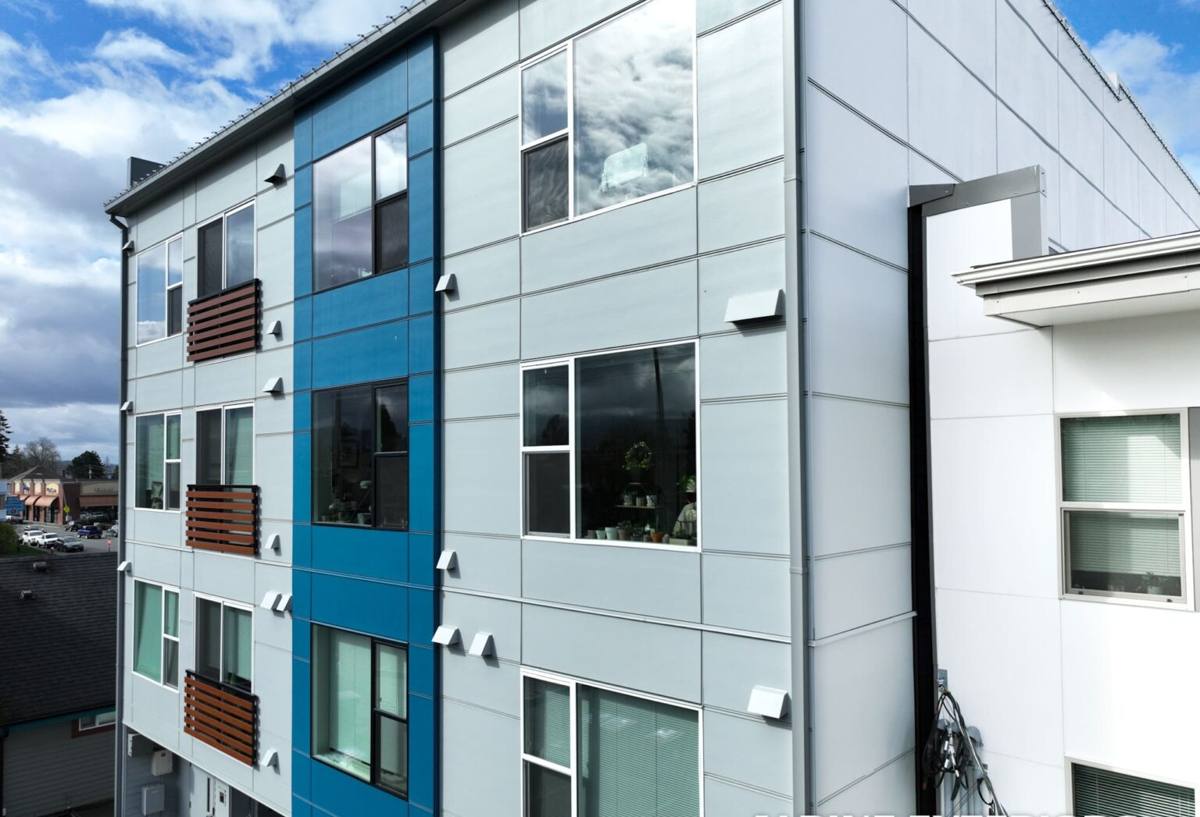
Why Ferndale's Climate Is Harder on Siding Than It Looks
Ferndale doesn't get hurricanes or extreme heat, which can lull homeowners into thinking siding here has an easy life. It doesn't. The combination of conditions is steady and cumulative:
- Salt air: Proximity to Puget Sound and the Strait of Georgia means airborne salt settles on exterior surfaces, which accelerates corrosion of exposed fasteners and breaks down lesser paint finishes faster than inland areas.
- Driving rain: Whatcom County storms frequently come with wind, which drives rain sideways into wall assemblies rather than letting it run straight down. Vertical siding styles like board and batten have more seams running with the water path than horizontal lap siding, so those seams have to be detailed correctly.
- A long moss season: Cool, damp, and shaded conditions for much of the year mean moss and algae get a real foothold on siding that stays wet too long, especially on north and west exposures and anywhere water is slow to drain or dry.
None of these conditions are unusual for the Pacific Northwest, but they add up over the 20-plus year lifespan homeowners expect from a siding investment. The install has to account for that from day one, not just at the finish coat.
Why We Only Install James Hardie for Board & Batten Work
Board and batten siding can be built from several materials, and we get asked why we standardize on James Hardie fiber cement instead of offering vinyl board and batten panels or engineered wood products. The short answer is that vertical siding styles put extra demands on a material's dimensional stability and moisture tolerance, and Hardie's fiber cement handles both better than the alternatives we've worked with.
Fiber cement doesn't expand and contract with temperature swings the way vinyl does, which matters on long vertical battens where movement shows up as visible waviness or gaps at the fastener points. It's also non-combustible, holds a factory-applied ColorPlus finish that's baked on rather than field-painted, and comes engineered in climate-specific HZ formulations built to handle Pacific Northwest freeze-thaw and moisture cycles rather than a one-size-fits-all product. We stand behind it because we've seen how it performs after the first few wet winters, not just on install day.
What a Correct Board & Batten Installation Actually Involves
Board and batten looks simple from the curb: wide boards, narrow battens over the seams, straight vertical lines. The part that determines whether it lasts is almost entirely hidden behind the finished surface.
A Drainage Plane and Rainscreen Gap
Vertical siding needs a way for any moisture that gets behind it to drain out and for the wall assembly to dry. That means a weather-resistant barrier installed correctly over the sheathing, and in most cases a rainscreen gap created with vertical furring strips before the Hardie panels go up. Skipping the rainscreen is one of the most common shortcuts we see on board and batten jobs, and it's the one most likely to cause hidden rot given how much rain this area gets.
Fastening and Panel Layout
James Hardie publishes specific fastener types, spacing, and embedment requirements for vertical panel installations, and those specs exist because board and batten siding carries real wind and moisture load along every seam. Panels need to land on framing, fasteners need to be corrosion-resistant given the salt air here, and layout has to account for expansion gaps so panels aren't installed edge-to-edge with zero room to move.
Trim, Corners, and Batten Spacing
Batten spacing isn't just an aesthetic choice — inconsistent spacing usually means inconsistent framing behind it, which is a sign of a rushed install. Corners and trim need proper flashing details so water is directed out and away from the wall rather than funneled behind the siding at the edges, which is one of the more common failure points on vertical siding we're called out to repair.
Our Process for a Ferndale Board & Batten Project
1. Inspection and Sheathing Check
We start by pulling back existing siding to inspect the sheathing underneath. In a climate this wet, we'd rather find and fix soft or water-damaged sheathing before it's covered by new siding than have it surface as a problem years later.
2. Weather Barrier and Rainscreen Installation
Once the sheathing is confirmed sound (or repaired), we install a weather-resistant barrier and build out the rainscreen gap that lets the wall assembly drain and dry, which matters more here than in drier climates.
3. Panel and Batten Installation
Hardie panels go up to manufacturer fastening specifications, with corrosion-resistant fasteners given the salt exposure in Ferndale. Battens are set with consistent spacing over the panel seams, both for the finished look and to keep water moving down and off the wall rather than pooling at inconsistent gaps.
4. Final Trim and Detailing
Corners, window and door trim, and any transition points get flashed and detailed so the whole assembly sheds water as one system rather than relying on caulk alone. ColorPlus finished panels mean field touch-up is minimal and limited to cut edges, not full-surface painting.
What Affects the Cost of a Board & Batten Project
Every home is different, and we don't publish blanket pricing because wall condition and layout complexity change the scope of work. These are the factors that typically move the number up or down:
| Factor | Why It Matters |
|---|---|
| Home size and wall square footage | More surface area means more material and labor, the largest single cost driver |
| Existing siding removal | Tear-off and disposal of old siding adds labor beyond a straightforward install |
| Sheathing condition | Water-damaged sheathing found during tear-off needs repair before new siding goes on |
| Number of stories | Second-story and taller walls require more scaffolding or lift time |
| Trim and corner complexity | Homes with more windows, dormers, or architectural detail take more trim work per square foot |
| Color and finish selection | Factory ColorPlus finishes vary slightly in cost by color and sheen tier |
The only way to get an accurate number is a walk-through of your specific home, but this table should give you a realistic sense of what drives the quote up or down before you get there.
Signs Your Current Siding Is Already Struggling
Because siding failure is gradual, a lot of homeowners in Ferndale don't realize how far along a problem is until it's visible from the street. Before you decide whether you need a repair or a full replacement, look for:
- Soft or spongy spots when you press on siding, especially near the bottom courses or under windows
- Persistent moss or algae growth that comes back within weeks of cleaning, particularly on north-facing walls
- Visible warping, cupping, or waviness in panels, which often points to moisture behind the material
- Paint that's peeling, bubbling, or chalking well ahead of its expected repaint interval
- Gaps opening up at seams, corners, or trim that weren't there a year or two ago
- Rust staining running down from fastener heads, a sign of corroding fasteners underneath
Any one of these on its own might be minor. Several together, especially paired with soft spots, usually means moisture has been getting behind the siding for a while.
Why a Crew That Already Works Ferndale Matters
Board and batten siding is detail-sensitive work, and the details that matter shift by region. A crew that mostly works drier inland climates may not default to a rainscreen gap or corrosion-resistant fastener schedule, because in their market it's rarely tested. Working Ferndale regularly means we've already seen how a given wall orientation, roofline, and exposure behaves through a wet winter and a mossy spring, and we build the install around that instead of a generic specification sheet.
It also means faster response if something needs a look after the fact, familiarity with the permitting expectations in Whatcom County, and a crew that isn't learning the local weather pattern on your house for the first time.
Caring for Board & Batten Siding Through Ferndale's Moss Season
Even a correctly installed Hardie board and batten wall benefits from basic upkeep in this climate. A yearly rinse-down on shaded or north-facing walls keeps moss and algae from getting established, and it's far easier to prevent buildup than to remove it once it's taken hold. Keep gutters clear so overflow doesn't run down the wall face, and trim back vegetation that keeps siding shaded and damp longer than it needs to be. None of this is heavy maintenance — it's the kind of light seasonal check that keeps a well-installed wall looking and performing the way it should for the long run.
If your Ferndale home is due for new siding or you want a second opinion on board and batten done right for this climate, we're happy to walk the property and give you a straightforward, no-pressure estimate — just fill out the form below.