 Blaine Exterior
 Building Decks That Hold Up on Semiahmoo
Semiahmoo sits right where Whatcom County meets the water, and that location is exactly why decks here age differently than decks fifteen miles inland. Homes in this area take on salt-laden air off the bay, driving rain that comes in sideways more often than straight down, and a long stretch of gray, damp months where moss and algae get a real foothold on any horizontal surface that doesn't drain well. A deck built to a generic spec sheet might look fine the first year. Whether it still looks and performs well in year eight is a different question, and it comes down to material choices, fastener choices, and framing details that most homeowners never think to ask about.
This page focuses on one job: building decks for homes in and around Semiahmoo. Not a general overview of decking — the specific decisions that matter for this stretch of coastline.
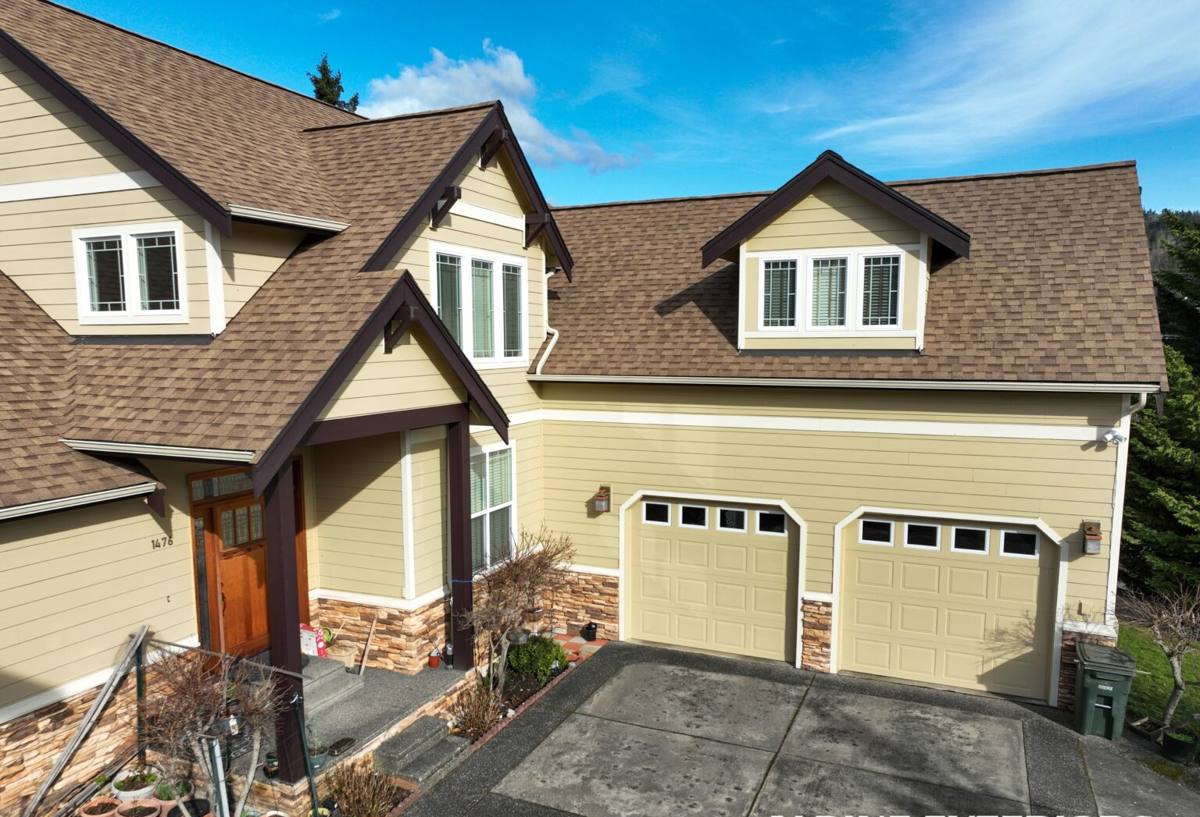
What the Local Climate Actually Does to a Deck
Salt Air
Salt air is corrosive to unprotected metal, and it doesn't take a direct ocean-front lot to be affected — homes several blocks back from the water still see airborne salt, especially with the wind patterns common around Semiahmoo. Fasteners, brackets, and hardware that aren't rated for coastal exposure can start corroding well before the decking itself shows any wear, and once fasteners fail, the whole structure is compromised even if the boards look fine.
Driving Rain
Wind-driven rain doesn't just fall on a deck, it gets pushed into seams, ledger connections, and anywhere two materials meet. A deck that isn't flashed and sloped correctly will trap water in exactly those spots, which is where rot and hidden damage start — often invisible from the surface until the problem is already serious.
Moss and Algae Season
Whatcom County's wet season runs long, and any deck surface that stays damp for extended periods will grow moss and algae, particularly in shaded areas or spots with poor airflow underneath. Beyond looking bad, moss holds moisture against the decking material and makes the surface slick and genuinely dangerous underfoot.
Choosing the Right Decking Material for This Environment
There is no single "best" decking material for every home — it depends on budget, how much upkeep you're willing to do, and how exposed your specific lot is to wind and salt. Here's how the common options actually perform in a coastal Whatcom County setting:
| Material | Salt Air / Moisture Behavior | Maintenance | General Cost Range |
|---|---|---|---|
| Pressure-treated wood | Performs fine if sealed and re-sealed on schedule; end grain and fastener holes are the weak points | Annual cleaning and periodic re-sealing/staining | Lowest upfront cost |
| Cedar | Naturally moisture- and insect-resistant, but still needs sealing to fight moss and graying from constant damp air | Regular cleaning, sealing every couple of years | Mid-range |
| Composite decking | Doesn't rot or absorb water like wood; capped composites resist moss and mildew better than wood, though surface can still need cleaning | Low — periodic washing, no sealing or staining | Mid to upper-mid |
| PVC decking | Fully synthetic, essentially immune to rot and moisture absorption; handles constant damp exposure very well | Lowest — occasional washing | Highest upfront cost |
Our honest take: for homes with heavy shade, constant moisture, or direct exposure to salt spray, composite or PVC decking earns its higher upfront cost back in reduced maintenance and a longer usable life. For homes with better sun exposure and airflow, a well-sealed wood deck can perform well for years if the homeowner keeps up with maintenance. We'll walk your specific lot with you and give a straight recommendation rather than pushing whatever has the best margin.
A Note on Product Choices We're Selective About
Not every decking or railing product on the market is a good fit for this climate. Some lower-tier composite boards, uncapped composites in particular, absorb more moisture at the core than their marketing suggests and can perform poorly in a wet, shaded coastal environment over time. Our standard is to spec materials that are rated for coastal or high-moisture exposure and to be upfront when a product a homeowner has seen advertised isn't one we'd recommend for their specific site conditions.
Framing and Substructure: Where Decks Actually Fail
The decking surface is what you see, but the framing underneath is what determines whether the deck is safe and long-lived. This is also where most failures actually start, and it's largely invisible once the deck is finished — which is exactly why it needs to be done right the first time.
- Ledger board connection: Where the deck attaches to the house needs proper flashing to keep water from getting behind the siding — one of the most common sources of hidden rot in older decks.
- Joist protection: Joist tops should be protected with flashing tape so standing water doesn't sit directly on cut lumber for months at a time.
- Footings: Footings need to be sized and set to local frost and soil conditions, not just "deep enough to look right."
- Fastener rating: Structural fasteners and connectors should be rated for exterior/coastal use — this matters more here than in most inland parts of the county.
Railings, Fasteners, and Hardware for Salt Air
Hardware is the part of a deck most likely to be underspecified, because it's cheap to substitute and nobody sees it after installation. In a salt-air environment like Semiahmoo, that shortcut shows up early — usually as rust streaks bleeding through decking or a railing post that's gone soft at the base.
We use stainless steel or coated fasteners rated for coastal exposure on connections that matter structurally, and we pay particular attention to railing post attachments, since those take repeated lateral stress from people leaning on them for years. Aluminum and properly coated steel railing systems generally hold up better than uncoated or lower-grade hardware in this environment.
Drainage, Slope, and Fighting Moss Before It Starts
Most moss problems on a deck aren't really a cleaning problem, they're a drainage problem. A deck surface should have a slight slope away from the house so water sheds instead of pooling, and board spacing should allow enough airflow underneath for the structure to dry out between rain events rather than staying damp for days.
For decks with limited under-deck airflow — common on homes built close to grade or with enclosed skirting — we look at options like under-deck drainage systems or adjusted board spacing to keep moisture from sitting in one place through the wet months. Getting this right at construction is far cheaper than trying to fix a chronic moss problem after the fact.
Permits and Local Considerations
Deck projects in Blaine and unincorporated Whatcom County are generally subject to permitting requirements, and specifics like guardrail height, footing depth, and setback from property lines can vary depending on your exact location and the size of the deck. We handle the permitting process as part of the job so you're not left figuring out local code requirements on your own, and we build to the guardrail and structural standards that apply to your property.
Our Process for Semiahmoo Deck Projects
- On-site assessment: We walk the property, look at sun exposure, wind direction, drainage, and existing structure if it's a rebuild.
- Material and design discussion: We go over decking, railing, and hardware options with honest tradeoffs for your specific site — not a one-size-fits-all pitch.
- Permitting: We handle the paperwork with the local jurisdiction before work starts.
- Demolition and framing (if applicable): Old structures are removed and disposed of, and new framing is built with coastal-rated fasteners and proper flashing.
- Decking and railing installation: Surface materials and railings go in to spec, with attention to spacing and slope for drainage.
- Final walkthrough: We go over the finished deck with you, including basic maintenance guidance specific to the materials used.
Maintenance Checklist for Semiahmoo Deck Owners
A well-built deck still needs some seasonal attention in this climate. Here's a simple checklist worth keeping to:
- Clear leaves, needles, and debris from between boards regularly, especially heading into fall.
- Rinse or wash the surface periodically to keep salt residue and organic buildup from accumulating.
- Check for early moss growth in shaded corners and address it before it spreads across the surface.
- Inspect visible fasteners and railing connections once a year for rust or looseness.
- Re-seal wood decking on the schedule recommended for the specific sealant used — don't wait until it visibly needs it.
- Keep gutters and downspouts near the deck clear so runoff isn't dumping extra water onto the structure.
Why Local Experience Matters for This Job
A deck built to a generic national spec, without accounting for salt air, wind-driven rain, and a long moss season, is a deck that will need premature repairs. Working regularly in the Semiahmoo area means we've seen how decks in this specific environment actually age — which fastener choices hold up, which drainage details prevent moss, and where the local permitting process has its own quirks. That's the difference between a deck that looks good on installation day and one that still looks and performs well years into Whatcom County's wet seasons.
If you're planning a new deck or replacing an aging one near Semiahmoo, we're happy to come take a look and give you a straightforward, no-pressure estimate — just fill out the form below.