 Blaine Exterior
 New-Construction Windows in Custer: Getting It Right Before the Walls Close Up
New construction gives a window installer something a replacement job never does: a clean, unfinished rough opening and one real chance to build the water management around it correctly before siding, trim, and interior finish cover it up. That's an advantage, but it's also the reason mistakes made during a new build tend to stay hidden for years rather than showing up right away. Custer sits in the flat agricultural land north of Ferndale, close enough to the water that salt-laden marine air and wind-driven rain are a routine part of the exposure here, not just a coastal-property problem. New homes going up on open, wind-exposed lots in this stretch of Whatcom County need their windows installed with that reality in mind from the first rough opening, not worked in later as a fix.
This page covers what new-construction window installation actually involves on a Custer build, why it's a different job than swapping out an old window, and how we work alongside builders and homeowners to get it right the first time.
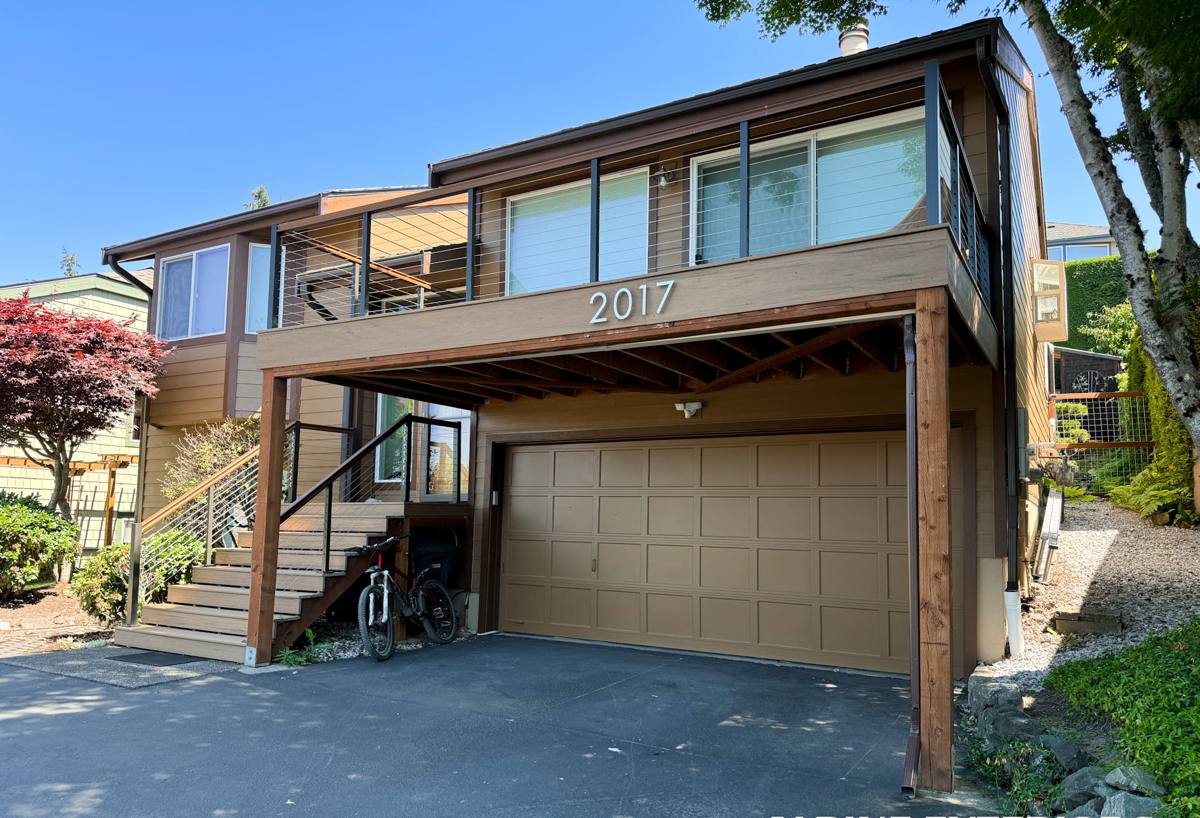
New Construction vs. Replacement: Why This Isn't the Same Job
A Different Window, Not Just a Different Job
New-construction windows are physically different products from replacement windows. They're built with a nailing flange around the perimeter that fastens directly to the wall sheathing and gets integrated into the weather-resistive barrier and flashing system before siding goes on. Replacement windows are usually pocket or insert units, built without that flange, designed to fit inside an existing frame that's already tied into the wall. Using the wrong category on the wrong job creates real problems — a nailing-flange window doesn't belong in a retrofit opening, and a pocket-style replacement unit in new construction skips the flashing integration a new build needs and is built around.
One Shot at the Rough Opening
On a replacement job, whatever water management is already built into the wall is mostly a fixed condition we work around. On new construction, we're building that water management from scratch — the sequencing of the weather-resistive barrier, the sill pan, the jamb and head flashing, and how the nailing flange ties into all of it. Get that sequence right and it performs quietly for decades. Get it wrong and the mistake gets buried under siding and trim, where it won't show up as a leak until the framing behind it has already been wet for a while.
Working the Builder's Timeline, Not the Homeowner's
New-construction window work also runs on a different schedule than a homeowner-driven replacement. Windows get ordered off the plan set and a window schedule, well before the framing is even complete, and installation has to land at the right point in the build sequence — after the wall sheathing and weather-resistive barrier are up, but before siding closes everything in. Miss that window of time and it holds up every trade behind it.
What Custer's Climate Asks of a New Window Install
Wind-Driven Rain Across Open, Flat Land
Custer's agricultural flatland doesn't offer new construction much natural wind break, and storms moving in off the Strait of Georgia push rain sideways into a wall rather than letting it fall straight down. For a finished, occupied house that mostly means checking existing seals. For a house still under construction, it means the flashing has to be sequenced correctly before the building even has siding on it to slow that rain down — an open rough opening on an exposed lot is not a forgiving place for a flashing mistake to sit while the rest of the build catches up.
Marine Air Carried Inland
Custer is a few miles inland, so it doesn't take the same direct salt spray a true waterfront property does, but enough marine air reaches this part of Whatcom County to accelerate corrosion on lower-grade hardware and fasteners over time. On a new build, that's a material selection question as much as an installation one — the hardware, fasteners, and flashing tape specified for the job should be rated for sustained coastal-influenced exposure, not just whatever is cheapest to order.
A Moss and Mildew Season That Doesn't Really End
Mild temperatures and near-constant moisture give moss and mildew a long growing season across Whatcom County, and it's not unusual to see it start forming on sills and trim within the first year or two of a new home's life if drainage details weren't built in from the start. A new build is the easiest point in a home's life to get sill slope, drainage gaps, and trim clearance right — it only gets harder and more expensive once the house is finished and occupied.
The Installation Sequence That Actually Keeps Water Out
Weather-Resistive Barrier and Flashing Order
Every layer in a new-construction window installation has to lap the one below it, the same way shingles on a roof shed water downhill rather than trapping it. That means the sill pan goes in first, the weather-resistive barrier laps over the sides and bottom of the rough opening, the window's nailing flange goes over that, and the barrier's upper flap and any head flashing lap over the top of the flange last. Reverse any part of that order and water that gets behind the siding later has a path straight into the wall instead of a path back out.
Sill Pans and Sloped Sills
A sill pan under the window creates a sloped, waterproof pocket that carries any water that does get past the glazing or frame back out to the exterior instead of letting it sit against the rough sill framing. On a new build we treat this as standard on every window, not an upgrade, since it's far cheaper and easier to install correctly before the wall is closed up than to add after the fact.
Nailing Fin Installation and Fastening
The nailing flange has to sit flat against the sheathing with no gaps, bows, or racking, and every fastener needs to land where the manufacturer's instructions call for it — skipped fastener points are a common source of window movement and seal failure that shows up years later as drafts or water intrusion. On larger or heavier units, we also check that the rough opening is square and properly sized before the window ever goes in, since forcing an out-of-square window into place stresses the frame and can compromise the seal from day one.
Sealant's Real Job
Sealant belongs at specific points in this sequence — never as a substitute for the flashing and lapping order itself. A bead of caulk around the outside of a window can look like a complete seal while doing almost nothing to stop water that's already gotten behind the siding, which is exactly the kind of shortcut that causes hidden problems in a wind-driven-rain climate like this one.
Choosing Frame Material and Glass for a New Build in This Climate
New construction is also the point where frame material and glazing decisions are cheapest to get right, since there's no old window or existing opening constraining the choice. We talk builders and homeowners through real trade-offs rather than defaulting to one product across every job.
| Frame Material | Moisture & Marine-Air Performance | Maintenance | Best Fit |
|---|---|---|---|
| Vinyl | Good — won't rot, handles sustained moisture well | Low | Budget-conscious builds, most standard openings |
| Fiberglass | Excellent — very stable through temperature swings, holds paint | Low | Larger openings, custom paint colors, higher-performance specs |
| Wood-clad (exterior-clad) | Depends entirely on the cladding's integrity — a breach exposes wood beneath | Moderate to high | Homeowners who want a wood interior look with a protected exterior face |
| Uncladded wood | Weak against sustained coastal moisture without diligent upkeep | High | Rarely our recommendation for exterior-facing units in this climate |
Glazing matters just as much as frame material. Double or triple-pane units with a low-E coating cut down on both heat loss during Whatcom County's cold, damp stretches and interior condensation on cold glass, which is a common complaint in homes that skimped on the glazing package to save money up front.
Meeting Washington's Energy Code Without Guesswork
Windows on any new build in Washington have to meet current state energy code requirements, and that shows up as U-factor and Solar Heat Gain Coefficient numbers on the manufacturer's NFRC label. U-factor measures how well the window resists heat loss — lower is better. SHGC measures how much solar heat comes through the glass — the right number depends on the home's orientation and how much of that solar gain is actually wanted. We work from the plan set's window schedule and the project's energy code path to make sure what gets ordered actually meets code, rather than leaving that discovery for the final inspection.
How Our Process Works on a Custer New Build
- Plan review and window schedule — we work from the architectural plans or builder's window schedule to confirm sizes, egress requirements, and energy code targets before anything gets ordered
- Ordering and lead time — new-construction windows are built to order in most cases, and we give the builder a realistic timeline so the install lands at the right point in the framing sequence
- Rough opening check — before installation, we verify each opening is square, correctly sized, and properly sheathed and wrapped with the weather-resistive barrier
- Flashing and installation — sill pan, barrier lapping, window setting, and flashing follow the shingle-lap sequence in order, on every opening, without shortcuts
- Coordination with siding and trim — since we also handle exterior siding and trim work, the person flashing the window understands exactly how it needs to tie into what goes on next
- Final walkthrough — we confirm operation, seals, and hardware function before the build moves on to interior finish work
A Checklist for Builders and Homeowners
- Confirm the windows being ordered are true new-construction, nailing-flange units — not pocket or insert windows meant for retrofit work
- Ask what the flashing sequence looks like and confirm it follows a shingle-lap, water-out order rather than relying on sealant alone
- Verify the U-factor and SHGC on the order match what the project's energy code path requires
- Get a realistic lead time before the framing schedule locks in around it
- Ask whether sill pans are standard practice on every opening or only added when requested
- Confirm current Washington contractor licensing and active liability insurance before signing anything
- Ask how installation warranty coverage works alongside the manufacturer's product warranty
Why It Matters That We Already Work Custer
A crew that mostly installs windows in a drier, more sheltered market can still do competent work, but they're applying manufacturer instructions written for average conditions to a site that isn't average — open, flat land with little wind break, marine air reaching in from the Strait, and a moss season that runs most of the year. Working new construction in Custer regularly means we're not guessing at which details in the installation instructions are worth extra time here: how much lap a flashing course needs on an exposed, wind-facing wall, which hardware grade actually holds up against inland marine air, and where a sill pan earns its cost even though it adds a step most inspectors won't flag if it's missing.
That's the difference between a window install that passes inspection and one that's still performing cleanly on this kind of site in twenty years.
Let's Talk Before the Framing Closes Up
If you're building new in Custer — as a homeowner working with a general contractor or as the builder yourself — it's worth having the window installation planned out before the walls close in around it. We offer free, no-pressure estimates for new-construction window work in Custer and the surrounding Whatcom County area. Use the form below to get on the schedule.