 Blaine Exterior
 Windows for a Coastline That Doesn't Let Up
Homes around Cherry Point sit in one of the more exposed pockets of Whatcom County. The open stretch of water off the Strait of Georgia sends salt-laden air inland almost year-round, driving rain comes in sideways during winter storms, and the shoulder seasons stay damp long enough to grow moss on anything that doesn't dry out fast. A window that would hold up fine twenty miles inland can start showing problems here within a few years — sticking sashes, fogged glass, soft trim, streaked frames. Custom windows built and installed with this specific environment in mind last longer and perform better, and that's the whole reason we treat Cherry Point as its own job, not a smaller version of a Blaine or Bellingham install.
"Custom" doesn't have to mean unusual shapes or high-end architectural glass, though we do that too. Most of the custom work we do out here is about getting the exact right size, frame material, and glazing package for a specific opening and a specific exposure — south wall facing the weather versus a sheltered north wall, older farmhouse opening versus a newer build. Off-the-shelf sizing and generic spec windows are how a lot of coastal window jobs go wrong.
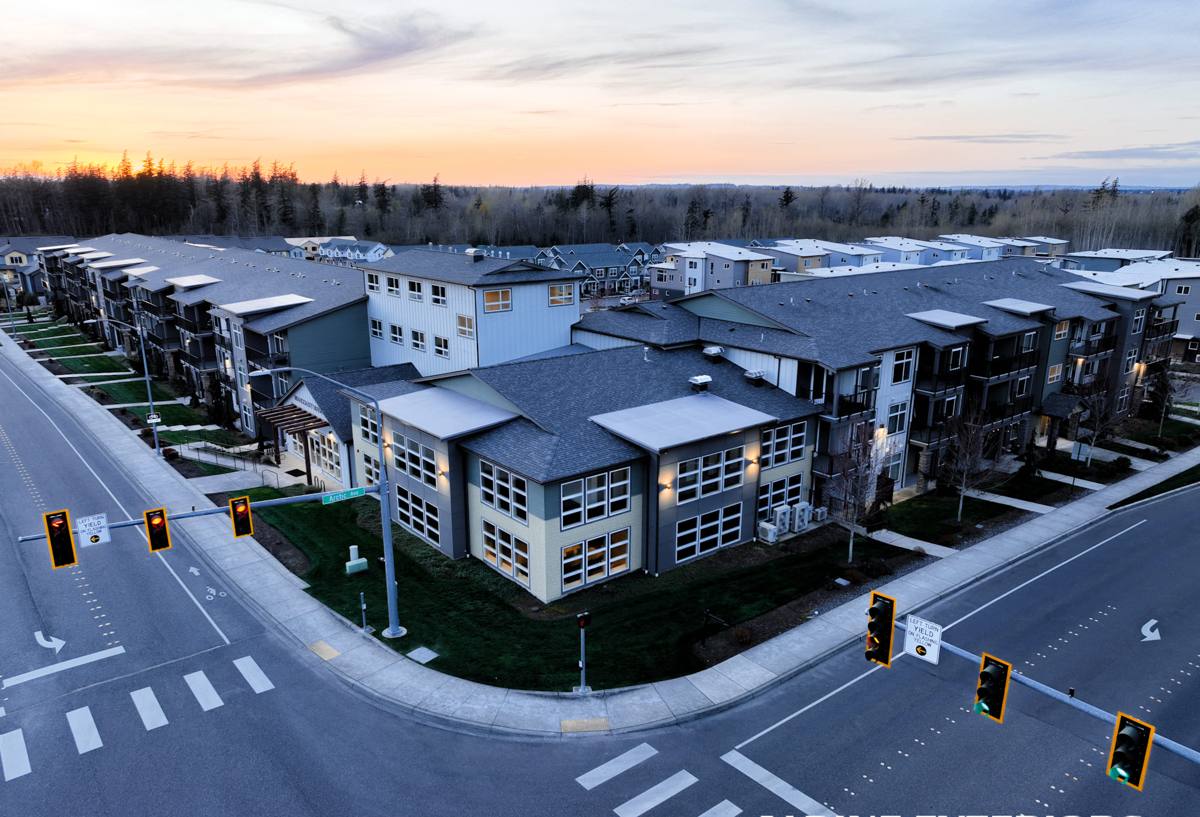
What Salt Air, Rain, and Moss Actually Do to a Window
It helps to know what you're up against before you pick materials or a contractor.
Salt Air
Airborne salt is corrosive to exposed metal hardware — hinges, cranks, locks, and any uncoated aluminum components. It also accelerates the breakdown of cheap sealants and finishes, which is why window trim and caulking near the water tends to fail sooner than the manufacturer's warranty timeline would suggest.
Driving Rain
Wind-driven rain doesn't just fall on a window, it gets pushed sideways and upward into gaps that would never see moisture in a calmer climate. This is a flashing and sealing problem more than a glass problem — most "leaky window" calls we get aren't a bad window at all, they're a window that was installed without weather-tight flashing detail.
Moss and Prolonged Damp
Whatcom County's long wet season keeps north-facing and shaded surfaces damp for weeks at a stretch. Wood that isn't properly sealed or back-primed will hold moisture, and moss and mildew will colonize any surface that stays damp long enough — including window sills, sashes, and trim. Once moisture gets under a finish, it doesn't dry from the inside; it just sits there and does damage.
What a Correct Custom Window Install Actually Involves
A window is only as good as the opening it sits in. On a coastal property, the installation details matter more than the brand name on the glass.
- Opening assessment — checking the existing rough opening, sill condition, and any signs of past water intrusion before anything is ordered.
- Precise measurement and custom sizing — so the new window fits the actual opening instead of forcing the opening to fit a stock size.
- Weather-resistive barrier and flashing integration — the window has to tie into the wall's existing drainage plane correctly, with flashing tape and pan flashing sequenced so water sheds outward, not into the wall cavity.
- Sill pan installation — a sloped, sealed sill pan gives any water that does get past the sash somewhere to go besides your wall framing.
- Low-expansion foam and backer rod at the perimeter — for an airtight, draft-free seal without over-filling the gap, which can bow the frame.
- Exterior sealant rated for marine exposure — not a generic caulk that chalks and cracks after one or two wet seasons.
- Final adjustment and operation check — every sash should open, close, and lock smoothly before we consider the job done.
Skip or rush any one of those steps and you can end up with a brand-new, expensive window that still leaks or fails early — which is a common and frustrating outcome for homeowners who assumed the product was the only variable that mattered.
Choosing a Frame Material for a Cherry Point Home
Frame material has a bigger impact on long-term performance near the water than most homeowners expect. Here's how the common options actually hold up under salt air, rain, and repeated wet-dry cycling.
| Frame Material | Salt Air Resistance | Maintenance | Best Fit |
|---|---|---|---|
| Vinyl | Very good — won't corrode or rot | Low; occasional cleaning | Most homes wanting durability without upkeep |
| Fiberglass | Excellent — dimensionally stable, resists salt and moisture | Low | Homes with direct water exposure or large openings |
| Wood (properly clad) | Good on the clad exterior; interior wood needs protection from condensation | Moderate to high if unclad | Homeowners prioritizing a traditional interior look |
| Aluminum | Poor to fair unless marine-grade and well-coated; prone to pitting and corrosion over time | Moderate; coatings need monitoring | Limited use — mainly where a narrow sightline is required |
We don't push aluminum-frame windows on exposed coastal walls as a standard recommendation. It's not that aluminum is a bad material everywhere — it's that uncoated or poorly coated aluminum hardware and framing corrodes faster in salt air than vinyl or fiberglass, and that shows up as pitting, stiff hardware, and finish failure well before the glass itself is a problem. If a project calls for it — a specific architectural look, a narrow sightline — we'll say so plainly and spec a marine-rated product, but we won't install it as a default near the water and call it a wash.
Glazing Package
Beyond the frame, the glazing itself matters for comfort and condensation control. Double-pane, low-E glass with argon fill is the baseline we recommend for this climate — it manages heat loss and reduces interior condensation on cold, damp mornings. Triple-pane is worth discussing for north-facing rooms or homes that run humid, but it adds weight and cost that isn't always necessary for every opening.
Our Process, Start to Finish
Every custom window job follows the same sequence, whether it's one window or a whole-house replacement.
- On-site walkthrough: we look at every opening in question, note existing damage, drainage issues, and exposure direction.
- Honest recommendation: we tell you what actually needs replacing versus what can wait, and which frame and glazing options fit your budget and exposure.
- Written estimate: clear pricing, timeline, and scope before any work is scheduled.
- Precise ordering: custom sizes are measured twice before the order goes in, since a bad measurement means a delay waiting on a remake.
- Installation with full flashing and sealing detail: not just "swap the window," but the full weatherproofing sequence described above.
- Final walkthrough: we check operation, seals, and cleanup with you before calling the job done.
Signs Your Current Windows Are Losing the Fight
Coastal wear doesn't always announce itself right away. These are the signs worth acting on before they turn into a bigger repair:
- Sashes that stick, drag, or won't latch fully anymore
- Visible fogging or moisture between panes on double- or triple-glazed units (a sign the seal has failed)
- Soft, discolored, or bubbling paint and trim around the frame
- Moss or dark streaking building up on the sill or lower frame
- Drafts you can feel on a windy day even with the window fully closed
- Hardware — cranks, locks, hinges — that's stiff, corroded, or leaving rust stains
- A noticeable rise in heating costs without any other explanation
Any one of these on its own might just mean routine maintenance. Several at once, especially on a wall that takes the brunt of the weather, usually means the window is past the point where sealing or minor repair will fix it.
What Affects Cost
There's no single price for "custom windows" because the variables genuinely change the job. A rough sense of what moves the number:
| Factor | Why It Matters |
|---|---|
| Frame material | Fiberglass and quality vinyl cost more upfront than base-grade vinyl but need less long-term upkeep |
| Opening condition | Rot or water damage found once the old window comes out adds repair work before the new one goes in |
| Glazing package | Triple-pane and specialty coatings add cost per unit |
| Number and size of openings | Larger or custom-shaped openings cost more to fabricate and install than standard sizes |
| Exposure and access | Second-story or hard-to-access openings on exposed walls take more time to seal correctly |
We'd rather walk a property and give you real numbers than quote a range that doesn't mean much once we see the actual openings. Broadly, straightforward single-window replacements run in the low thousands per unit installed, with larger custom units, whole-house projects, or repair-and-replace situations running higher — but that's a starting point for a conversation, not a quote.
Why Hiring a Crew That Already Works Cherry Point Matters
A contractor who mostly works inland can still install a technically fine window that underperforms here, simply because they're not used to designing for this level of wind-driven rain and salt exposure. A crew that regularly works this stretch of Whatcom County coastline already knows which flashing sequence holds up on an exposed wall, which sealants actually last through a wet Blaine winter, and which frame materials are worth the extra upfront cost versus which ones will need attention again in five years.
That local familiarity shows up in small decisions during the install — how a sill pan is sloped, how much sealant bead is applied and where, whether a particular wall needs extra flashing detail because of its wind exposure — that don't show up on a spec sheet but make the difference between a window that performs for decades and one that needs attention again in a few years.
Living With New Windows in This Climate
Even a well-installed window benefits from a little seasonal attention out here:
- Rinse salt residue off exterior frames and glass a few times a year, especially after storms
- Check and clear weep holes so drainage paths don't clog with debris or moss
- Wipe down and lightly lubricate hardware annually to keep cranks and locks from stiffening up
- Look at exterior caulking each fall and touch up anything that's cracked or pulled away before winter rains set in
None of this is heavy maintenance — it's the kind of upkeep that takes an afternoon and adds years to the life of the install, especially in a climate that doesn't give materials much of a break.
If your windows around Cherry Point are showing their age, or you're planning a project and want an honest read on what your home actually needs, we're happy to walk the property and give you a straightforward, no-pressure estimate using the form below.