 Blaine Exterior
 Why Birch Bay Roofs Wear Faster Than You'd Expect
Birch Bay sits right where Whatcom County's marine weather hits hardest — open shoreline exposure, wind off the water, and a wet season that seems to stretch longer every year. A roof here is doing more work than the same roof would be doing twenty miles inland. Salt-laden air corrodes exposed metal faster than dry climates ever would. Driving rain off the bay finds every weak seam, nail pop, and aging flashing joint. And the shaded, moisture-heavy conditions under a lot of the tree cover in this area create a long moss season that can run most of the year if a roof isn't built or maintained to resist it.
None of that means Birch Bay homes need exotic materials or gimmicks. It means the installation has to be done correctly, with the right underlayment, fastening, and ventilation choices for this specific environment — not a generic spec sheet from a drier region of the state.
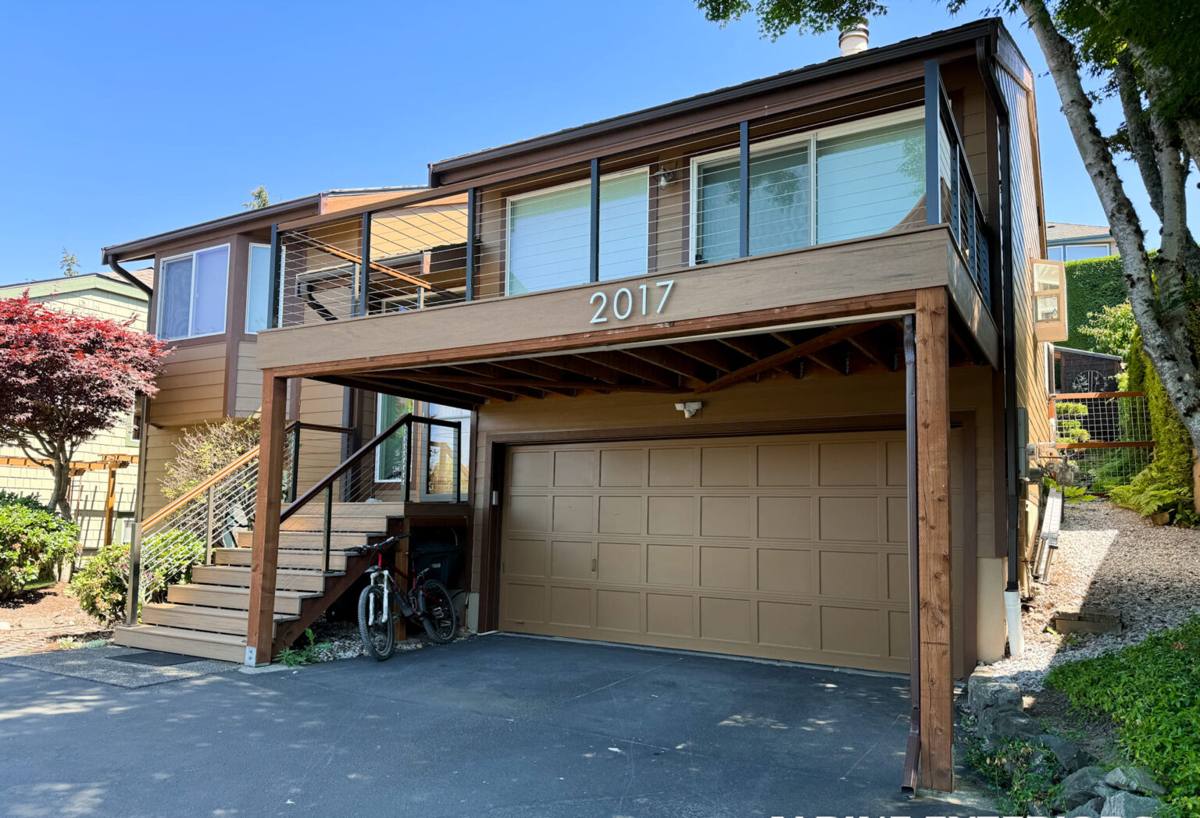
Signs Your Birch Bay Home Needs Replacement, Not Another Repair
Age and Material Lifespan
Most asphalt shingle roofs in coastal Whatcom County start showing their age faster than their rated lifespan suggests, simply because of the added moisture exposure. If your roof is approaching or past the back half of its expected service life and you're calling for repairs more than once a year, patching is usually just delaying an inevitable full replacement — often at a higher total cost than doing it once, correctly.
Visible Damage
- Curling, cupping, or cracked shingles, especially on slopes facing the water
- Bald spots where granules have washed off, exposing the asphalt mat underneath
- Heavy moss growth that's lifted shingle edges rather than just sitting on the surface
- Rusted, stained, or separating flashing around chimneys, vents, and valleys
- Sagging rooflines, which can point to deck or structural issues underneath
Interior and Attic Clues
Water stains on ceilings, a musty smell in the attic, visible daylight through the roof deck, or insulation that feels damp are all signs that water is getting past the roofing system — not just sitting on top of it. By the time these show up inside the house, the problem has usually been building for a while.
What a Correct Roof Installation Actually Involves
A new roof is more than shingles nailed to a deck. In a climate like Birch Bay's, the details underneath the visible surface are what determine whether the roof holds up through its first few wet seasons or starts failing early.
Tear-Off and Deck Inspection
We remove the old roofing down to the deck rather than layering over it. That's the only way to find rot, soft spots, or water damage that's been hiding under the old shingles — and it's common to find some, especially on older homes that have taken years of coastal moisture. Any damaged decking gets replaced before anything new goes down; installing new roofing over a compromised deck just guarantees an early failure.
Underlayment and Water Protection
Given the amount of driving rain this area sees, we pay close attention to ice-and-water shield membrane at eaves, valleys, and around any roof penetrations — the spots where wind-driven rain is most likely to work its way underneath standard shingles. A quality synthetic underlayment across the rest of the deck adds a second line of defense if any water ever gets past the top layer.
Flashing and Fasteners
Salt air is hard on exposed metal. We use corrosion-resistant flashing and fasteners rated for coastal exposure, not the minimum-grade hardware that might be fine further inland but corrodes early this close to the water. Proper flashing at chimneys, sidewalls, and valleys is one of the most common places we find shortcuts on older installs.
Ventilation
Balanced intake and exhaust ventilation keeps moisture from building up in the attic, which matters more here than in drier parts of the state. Poor ventilation traps humidity, accelerates deck rot from the underside, and can void material warranties — it's not an optional add-on, it's part of doing the installation correctly.
Material Options for a Coastal Climate
There's no single "best" roofing material for every home — the right choice depends on your budget, roof pitch, how long you plan to stay in the home, and how much maintenance you're willing to keep up with. Here's how the common options compare for a property like yours in Birch Bay.
| Material | Moss/Algae Resistance | Wind Performance | Typical Lifespan | Maintenance Needs |
|---|---|---|---|---|
| Standard architectural asphalt shingles | Moderate — benefits from periodic cleaning | Good with correct fastening and wind-rated products | 20-30 years | Moderate; moss removal recommended every few years |
| Algae-resistant asphalt shingles (copper-infused granules) | Improved resistance to black streaking and moss | Same as standard architectural shingles | 20-30 years | Lower than standard, still benefits from occasional cleaning |
| Standing-seam metal roofing | High — smooth surface sheds moss more easily | Excellent when properly installed | 40-60+ years | Low; occasional fastener and seam checks |
| Synthetic/composite shingles | Good, varies by product line | Good to excellent depending on rating | 30-50 years | Low to moderate |
We install architectural asphalt shingles from established manufacturers such as GAF, CertainTeed, and Malarkey, along with standing-seam metal systems, and we'll walk through the honest trade-offs of each for your specific roof rather than pushing whatever has the best margin. Metal costs more upfront but sheds moss and handles wind uplift better over the long run. Algae-resistant shingles cost a bit more than standard architectural shingles but reduce how often you'll need to deal with staining and moss buildup given how long Birch Bay's moss season runs.
Our Birch Bay Roof Installation Process
1. Inspection and Estimate
We start with a full roof and attic inspection, not just a look from the ground. You get a written estimate that spells out material options, scope of work, and a realistic timeline before anything is scheduled.
2. Material Selection
We talk through the comparison above in the context of your actual roof — pitch, sun/shade exposure, tree cover, and how long you plan to own the home — so the material choice fits your situation instead of a one-size-fits-all recommendation.
3. Scheduling Around Weather
Roofing in a marine climate means working around rain windows, not against them. We schedule tear-off and installation to minimize the time your deck is exposed, and we don't start a tear-off we can't reasonably finish or protect before weather moves in.
4. Tear-Off, Deck Repair, and Installation
Old roofing comes off, the deck gets inspected and repaired as needed, then underlayment, flashing, ventilation components, and the finish material go on in that order — each step following manufacturer specifications for fastening patterns and wind-rated installation.
5. Final Walkthrough and Cleanup
We walk the finished roof and the property with you, cover warranty paperwork, and make sure the yard is clear of debris and nails before we consider the job done.
Moss and Algae: Managing a Year-Round Problem
Birch Bay's combination of shade, moisture, and mild temperatures means moss isn't a seasonal nuisance here the way it is in drier climates — it's closer to a constant, low-level pressure on any roof. A correct installation reduces how much moss takes hold and how fast; it doesn't eliminate the need for occasional upkeep.
- Zinc or copper strips installed near the ridge let rain carry trace metal ions down the roof slope, which discourages moss growth over time
- Keeping overhanging branches trimmed back reduces shade and organic debris buildup on the roof surface
- Gutters and valleys should be cleared regularly — trapped debris holds moisture against the roofing material
- Soft-washing (not high-pressure washing, which damages shingles) every couple of years keeps moss from establishing a foothold
Why a Crew That Already Works Birch Bay Matters
A roofer who mostly works inland jobs isn't necessarily going to get the fastening, flashing, and ventilation details wrong — but they're less likely to have already seen how a given product line holds up after a few years of this specific exposure. Working Birch Bay and the surrounding Blaine area regularly means we've seen which installation shortcuts show up as problems here first: under-flashed valleys, standard-grade fasteners corroding early, ventilation that wasn't sized for the humidity load. We also know the practical side of working this area — permitting through Whatcom County, realistic scheduling around the wet season, and what "correctly installed" actually needs to mean for a roof that's going to face driving rain and salt air for the next several decades.
Questions to Ask Before You Sign With Any Roofer
- Are you licensed and insured to work in Washington State, and can you provide proof?
- Will you tear off the existing roof completely, or is a layover being proposed?
- What underlayment and ice-and-water shield will be used, and where specifically will it be installed?
- What ventilation changes, if any, are included in the scope of work?
- What's covered under the manufacturer's material warranty versus your workmanship warranty, and for how long?
- Is the estimate in writing, with materials and scope spelled out — not just a total price?
A contractor who hesitates on any of these is worth a second look before you commit.
Get a Straight Answer on Your Roof
If your Birch Bay roof is showing its age, or you just want an honest read on how much life it has left, we're happy to take a look and give you a clear, no-pressure estimate. Fill out the form below and we'll get back to you with next steps.